A Dark Moment
Trump still shows no signs of understanding the severity of events, much less the severity of his actions.
On Thursday, Donald Trump became the third president in 243 years of U.S. history who will undergo a trial in the Senate to rule on whether he should be removed from office. A majority of the House of Representatives impeached him on charges of abuse of power and obstruction of Congress. And regardless of the final result of the impeachment process, these two facts will forever be part of the leader’s shortcomings, a leader who, from the beginning of his presidential race, has made contempt of the American political class one of his banners. The resolution passed early yesterday morning sends a clear message not only to the president, but also to American voters: no one is above the law.
The removal of a president is a traumatic process for a democracy per se, for it entails overturning the will of the people as expressed at the ballot box on the basis of a series of grave offenses that are clearly articulated and proven. And this trauma goes beyond the ultimate fate of the accused. Trump can still—and probably will—be acquitted by the Senate, where the Republican Party has a majority, in contrast to the situation in the House of Representatives. But the impact of the process can already be felt, even before it reaches the Senate. The 11-hour debate in the House displayed a deeply divided political landscape, with Republican representatives who are completely unwilling to consider the evidence and the arguments in favor of impeachment. While there were Democratic representatives who voted against their party, their Republican counterparts simply echoed—admittedly, more elegantly—the same slogans as Trump, seeking to discredit this impeachment, deemed to be politically biased.
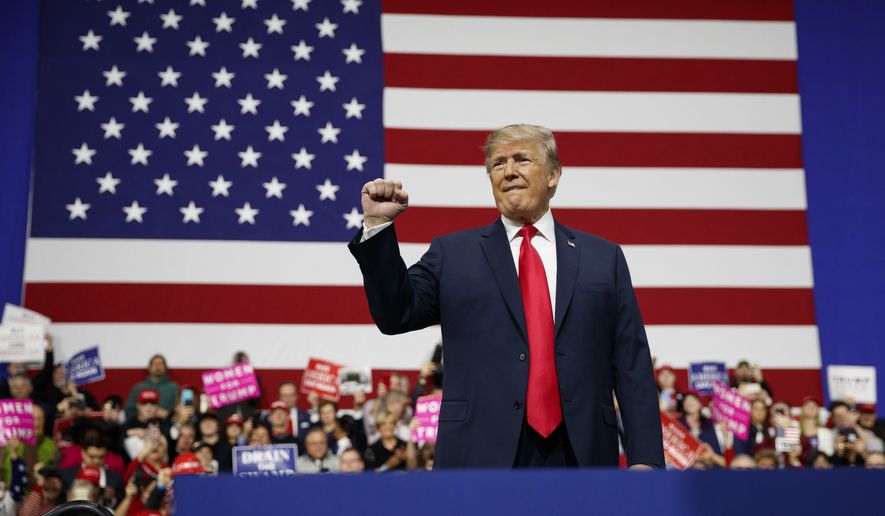
On such an important day, the attitude of Nancy Pelosi—the speaker of the House and leader of the Democratic majority—stands in contrast to that of the president, who seeks reelection in the coming year. While the former went to Congress dressed in black, used a solemn tone and emphasized that what was happening brought her no joy, the latter chose to hold a rally, where he repeated his threats and personal attacks against the Democratic Party. Furthermore, hours before the vote took place, he sent a letter to Pelosi—a novelty, since he usually sticks to social media—riddled with inaccuracies and attacks against his political adversaries. Trump still shows no signs of understanding the severity of events, much less the severity of his actions. The Senate will now have to judge the events in a process that could be long, in the midst of an election year. And even if Trump ends up winning, his term will be forever tainted.
On Thursday, Donald Trump became the third president in 243 years of U.S. history who will undergo a trial in the Senate to rule on whether he should be removed from office. A majority of the House of Representatives impeached him on charges of abuse of power and obstruction of Congress. And regardless of the final result of the impeachment process, these two facts will forever be part of the leader’s shortcomings, a leader who, from the beginning of his presidential race, has made contempt of the American political class one of his banners. The resolution passed early yesterday morning sends a clear message not only to the president, but also to American voters: no one is above the law.
The removal of a president is a traumatic process for a democracy per se, for it entails overturning the will of the people as expressed at the ballot box on the basis of a series of grave offenses that are clearly articulated and proven. And this trauma goes beyond the ultimate fate of the accused. Trump can still—and probably will—be acquitted by the Senate, where the Republican Party has a majority, in contrast to the situation in the House of Representatives. But the impact of the process can already be felt, even before it reaches the Senate. The 11-hour debate in the House displayed a deeply divided political landscape, with Republican representatives who are completely unwilling to consider the evidence and the arguments in favor of impeachment. While there were Democratic representatives who voted against their party, their Republican counterparts simply echoed—admittedly, more elegantly—the same slogans as Trump, seeking to discredit this impeachment, deemed to be politically biased.
On such an important day, the attitude of Nancy Pelosi—the speaker of the House and leader of the Democratic majority—stands in contrast to that of the president, who seeks reelection in the coming year. While the former went to Congress dressed in black, used a solemn tone and emphasized that what was happening brought her no joy, the latter chose to hold a rally, where he repeated his threats and personal attacks against the Democratic Party. Furthermore, hours before the vote took place, he sent a letter to Pelosi—a novelty, since he usually sticks to social media—riddled with inaccuracies and attacks against his political adversaries. Trump still shows no signs of understanding the severity of events, much less the severity of his actions. The Senate will now have to judge the events in a process that could be long, in the midst of an election year. And even if Trump ends up winning, his term will be forever tainted.
Previous article
Next article