
Renewable Energy Trumps Nuclear Energy
Where? In the United States, which ironically is the country with the most nuclear reactors in the world (104 to be exact). In 2009, there was an historic swing, shifting the primary source of energy from nuclear reactors to renewable energy sources for electrical, heating and other fuel needs. The types of “renewable energies” that are most prevalent are biomass (wood and bio-ethanol), water, solar and wind power.
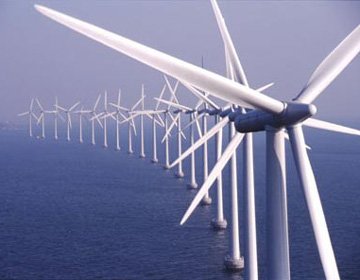
In particular, the development of wind power plants over the Atlantic Ocean is a very dynamic process. There are two contributing factors: the multiplication of increasingly large production sites (often with hundreds of wind turbines) and the growing importance of more efficient infrastructure. Furthermore, we also noted a drop in nuclear efficiency due to aging infrastructure.
Thus, this nuclear energy, with its risks and its waste, begins to look like an outdated source of energy, proving that wind power is far from having reached its physical limits. Some American researchers have proven that when wind power plants are constructed in suitable locations, they can provide enough electrical power for more than 23 times the required consumption of a country! On a worldwide scale, wind power would allow us to surpass 40 times our energy needs!
Although this is very theoretical and wind energy infrastructure is very expensive, it is still a good argument against lobbyists who want to sideline this type of clean energy. We are clearly very far away from claiming victory for renewable energy, but at least this gives us a glimmer of hope.
In particular, the development of wind power plants over the Atlantic Ocean is a very dynamic process. There are two contributing factors: the multiplication of increasingly large production sites (often with hundreds of wind turbines) and the growing importance of more efficient infrastructure. Furthermore, we also noted a drop in nuclear efficiency due to aging infrastructure.
Thus, this nuclear energy, with its risks and its waste, begins to look like an outdated source of energy, proving that wind power is far from having reached its physical limits. Some American researchers have proven that when wind power plants are constructed in suitable locations, they can provide enough electrical power for more than 23 times the required consumption of a country! On a worldwide scale, wind power would allow us to surpass 40 times our energy needs!
Although this is very theoretical and wind energy infrastructure is very expensive, it is still a good argument against lobbyists who want to sideline this type of clean energy. We are clearly very far away from claiming victory for renewable energy, but at least this gives us a glimmer of hope.
Next article
