
Drought in California Represents Overall Evaporation
In its 2015 outlook report, the European Environment Agency sets the struggle for water as one of the new focuses of global tension in the coming decades. The agency estimates that by 2050, 70 percent of the world’s population will live in large metropolises, the governors of which will need to manage the social stress brought about by the scarcity of basic resources. Water will be – and already is in many places – one of these resources. The battle that is currently being waged in California over water distribution is a good illustration of what these upcoming battles might be like in a climate change scenario.
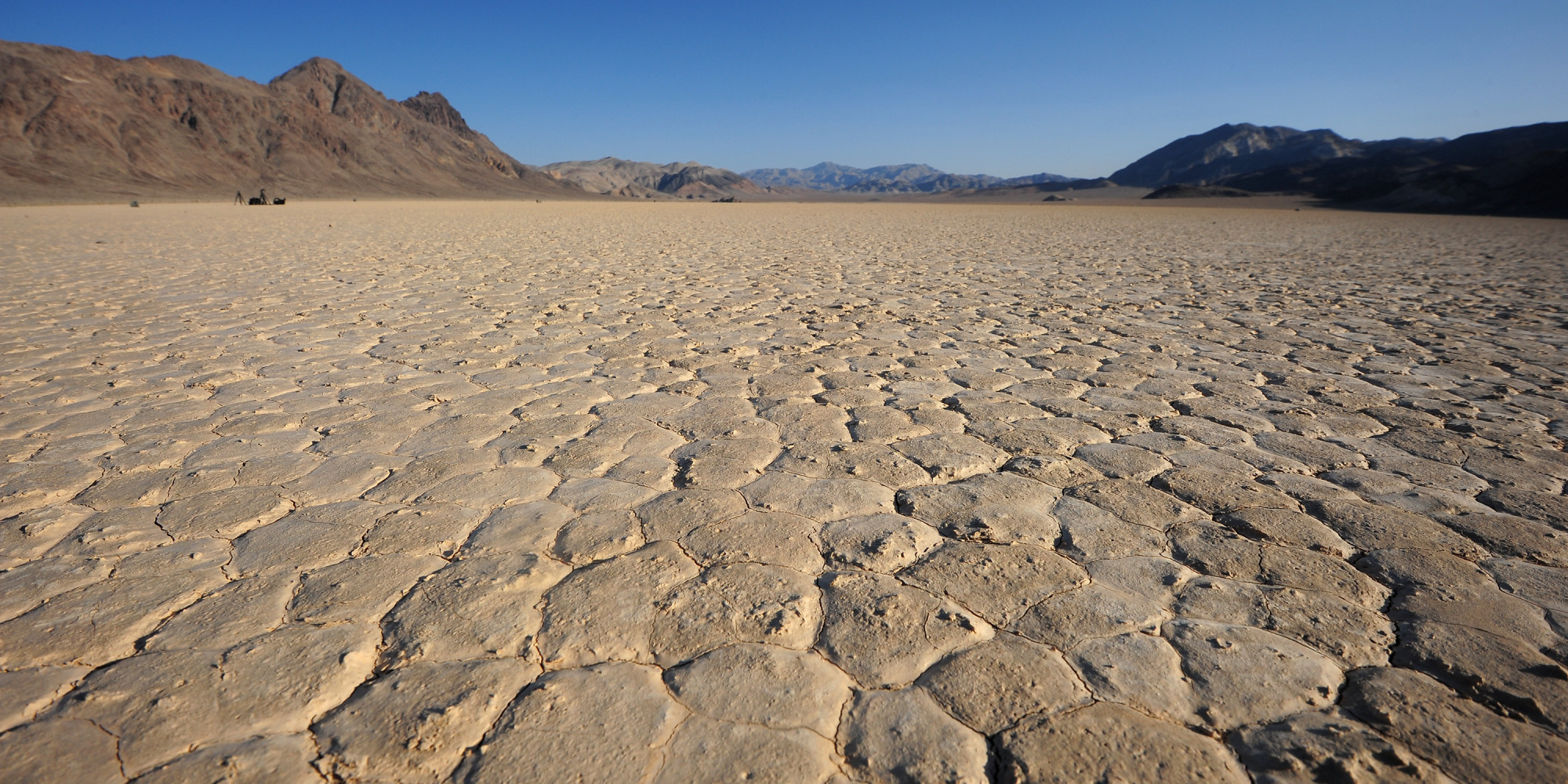
Four years of drought have resulted in the water regulatory body approving unprecedented restrictions that oblige cities to reduce their consumption by 25 percent compared with last year, something that has triggered bitter debate. In California, water restrictions involve reducing the comfort level of one of the most advanced and richest societies in the world, capable of building an oasis in areas where there are only desert landscapes. An aerial view over Palm Springs, for example, shows a succession of large mansions with swimming pools and enormous gardens, surrounded by the driest of deserts. Up until now, it has been possible to overcome environmental limitations by building large canals which enable water that collects in the distant mountains of the north to be diverted to the coast. However, it didn’t snow this winter, reserves are below minimum levels and the costly piping can no longer guarantee the necessary volumes of water.
What is happening in California shows the complications that arise in reversing certain habits by appealing to the collective consciousness. In 2014, California’s governor asked citizens and businesses to voluntarily reduce their consumption by 20 percent. One year on, the saving hardly amounts to 9 percent. With voluntary action having failed, the authorities had no other choice than to introduce restrictions. But this isn’t easy to implement either. For a start, the water supply is in the hands of more than 400 local agencies, and as the reductions demanded of them are not set at a flat rate, the various agencies have become embroiled in a struggle over the size of the reductions each of them must make. What’s more, these restrictions only affect urban consumers; 80 percent of the water, however, is used for irrigation, sparking a further debate about how responsibility for the water crisis should be distributed.
The positive reading is that this episode is contributing, better than any report, to citizens and authorities becoming aware of what climate change represents. While in the collective imagination this is reduced to a series of graphs on a screen, the uncomfortable truths that those graphs contain will hardly disturb those who base their comfort on excessive – and sometimes wasteful – consumption of natural resources. But seeing this as a sure and imminent threat changes things. California has finally committed itself to reducing greenhouse gas emissions between now and 2030 by 40 percent below 1990 figures. The problem is that this is no longer likely to be enough either.
Four years of drought have resulted in the water regulatory body approving unprecedented restrictions that oblige cities to reduce their consumption by 25 percent compared with last year, something that has triggered bitter debate. In California, water restrictions involve reducing the comfort level of one of the most advanced and richest societies in the world, capable of building an oasis in areas where there are only desert landscapes. An aerial view over Palm Springs, for example, shows a succession of large mansions with swimming pools and enormous gardens, surrounded by the driest of deserts. Up until now, it has been possible to overcome environmental limitations by building large canals which enable water that collects in the distant mountains of the north to be diverted to the coast. However, it didn’t snow this winter, reserves are below minimum levels and the costly piping can no longer guarantee the necessary volumes of water.
What is happening in California shows the complications that arise in reversing certain habits by appealing to the collective consciousness. In 2014, California’s governor asked citizens and businesses to voluntarily reduce their consumption by 20 percent. One year on, the saving hardly amounts to 9 percent. With voluntary action having failed, the authorities had no other choice than to introduce restrictions. But this isn’t easy to implement either. For a start, the water supply is in the hands of more than 400 local agencies, and as the reductions demanded of them are not set at a flat rate, the various agencies have become embroiled in a struggle over the size of the reductions each of them must make. What’s more, these restrictions only affect urban consumers; 80 percent of the water, however, is used for irrigation, sparking a further debate about how responsibility for the water crisis should be distributed.
The positive reading is that this episode is contributing, better than any report, to citizens and authorities becoming aware of what climate change represents. While in the collective imagination this is reduced to a series of graphs on a screen, the uncomfortable truths that those graphs contain will hardly disturb those who base their comfort on excessive – and sometimes wasteful – consumption of natural resources. But seeing this as a sure and imminent threat changes things. California has finally committed itself to reducing greenhouse gas emissions between now and 2030 by 40 percent below 1990 figures. The problem is that this is no longer likely to be enough either.
Previous article
Next article
