
Trump’s Fiscal ‘Black Swan’
The massive tax cut will disrupt monetary policy, boost the deficit over the next 10 years, and impact the euro
The tax cut proposed by Donald Trump and passed by both chambers of the United States Congress is a reflection of the president's megalomaniac nature and his lack of concern for matters as serious as inequality and the social protection of his citizens. It is a $1.5 trillion tax reduction in 10 years, above all in corporate taxes (from 35 percent to 21 percent, a gift for large companies). It also includes blatant tax benefits for real estate investment (Trump's market). A comparison says it all: The tax package will entail a $50 annual tax reduction for the lowest incomes and a $3,440 reduction for the highest ones.
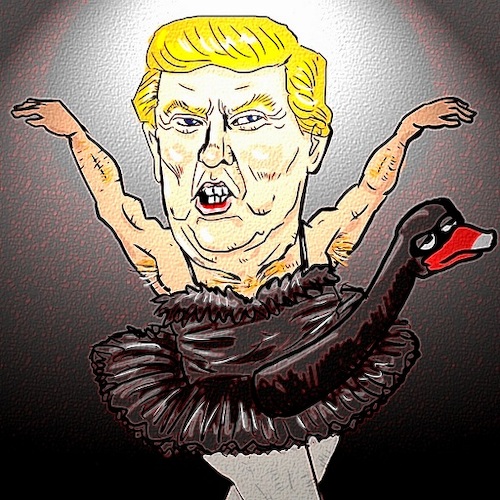
For many (and dangerous) reasons, the plan is a black swan,* a blunder that will have damaging consequences over the next decade; in the first place, because it will increase inequality, reaching levels of social unrest comparable to the Great Depression. Not only does Trump attack former President Barack Obama’s health care law, but he forgives (and forgives himself) the tax burden of large companies in exchange for keeping the fiscal pressure on middle and low incomes. It should be remembered that the American corporate intelligentsia (George Soros, Steven Rockefeller, Warren Buffett) have deplored the plan for being unfair, counterproductive and harmful to social interests.
A fiscal stimulus program in a solid growth phase is meaningless. The monumental tax reduction almost guarantees an exorbitant public deficit increase by nearly $1.5 trillion in 10 years; monetary policy will, therefore, tend to tighten, accelerating the guidelines set by Janet Yellen** in order to compensate for the threat of deficit. Through external financing of a gigantic deficit and through monetary policy tightening, other areas (such as the euro) will end up suffering the consequences. This is the fiscal black swan Trump offers as a gift to the world economy.
*Editor’s note: The concept of a black swan event originated with financial professional Nassim Nicholas Taleb to refer to events that are impossible to predict but have catastrophic ramifications.
** Editor’s note: Janet Yellen is the chair of the Federal Reserve Board of Governors.
The tax cut proposed by Donald Trump and passed by both chambers of the United States Congress is a reflection of the president's megalomaniac nature and his lack of concern for matters as serious as inequality and the social protection of his citizens. It is a $1.5 trillion tax reduction in 10 years, above all in corporate taxes (from 35 percent to 21 percent, a gift for large companies). It also includes blatant tax benefits for real estate investment (Trump's market). A comparison says it all: The tax package will entail a $50 annual tax reduction for the lowest incomes and a $3,440 reduction for the highest ones.
For many (and dangerous) reasons, the plan is a black swan,* a blunder that will have damaging consequences over the next decade; in the first place, because it will increase inequality, reaching levels of social unrest comparable to the Great Depression. Not only does Trump attack former President Barack Obama’s health care law, but he forgives (and forgives himself) the tax burden of large companies in exchange for keeping the fiscal pressure on middle and low incomes. It should be remembered that the American corporate intelligentsia (George Soros, Steven Rockefeller, Warren Buffett) have deplored the plan for being unfair, counterproductive and harmful to social interests.
A fiscal stimulus program in a solid growth phase is meaningless. The monumental tax reduction almost guarantees an exorbitant public deficit increase by nearly $1.5 trillion in 10 years; monetary policy will, therefore, tend to tighten, accelerating the guidelines set by Janet Yellen** in order to compensate for the threat of deficit. Through external financing of a gigantic deficit and through monetary policy tightening, other areas (such as the euro) will end up suffering the consequences. This is the fiscal black swan Trump offers as a gift to the world economy.
*Editor’s note: The concept of a black swan event originated with financial professional Nassim Nicholas Taleb to refer to events that are impossible to predict but have catastrophic ramifications.
** Editor’s note: Janet Yellen is the chair of the Federal Reserve Board of Governors.
Previous article

Next article