In the Crosshairs of the US Trade War
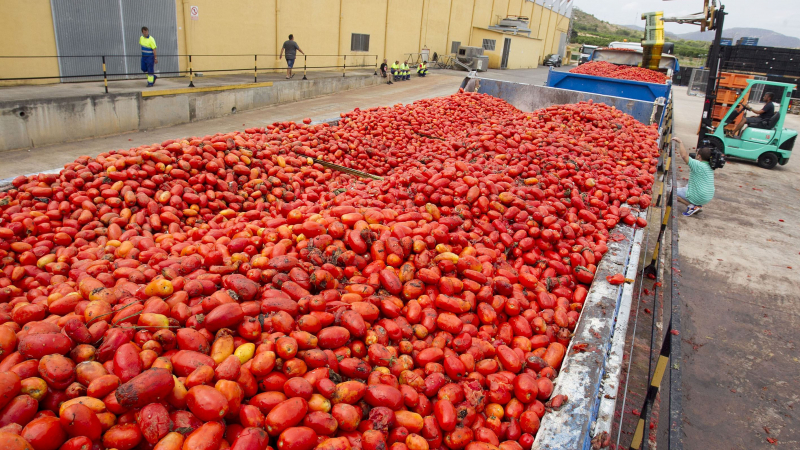
The United States has terminated the Suspension Agreement to the Antidumping Investigation on Mexican Tomato Exports. It will impose a tariff of 17.5% on Mexican tomatoes, which represent half of tomato consumption in the U.S. The agreement has been in force since 1996, but the International Trade Commission has decided to let it expire. The Commission has until November of this year to decide if it will make new arrangements or if it will definitively establish the tariff as a protectionist measure.
To put the issue in perspective: Tomatoes rank third among agricultural products exported to the United States from Mexico, so they play a significant role in binational commerce. On the Mexican side, they are a source of 400,000 direct and up to a million indirect jobs. It is an export crop in half of the Mexican states, in particular in Sinaloa and Baja California; for producers in those states, the tariff discussed would involve a cost of $350 million.
On the U.S. side, consumers could be facing price increases of up to 70% on the fruit, which in 2018 represented a $2 billion market.
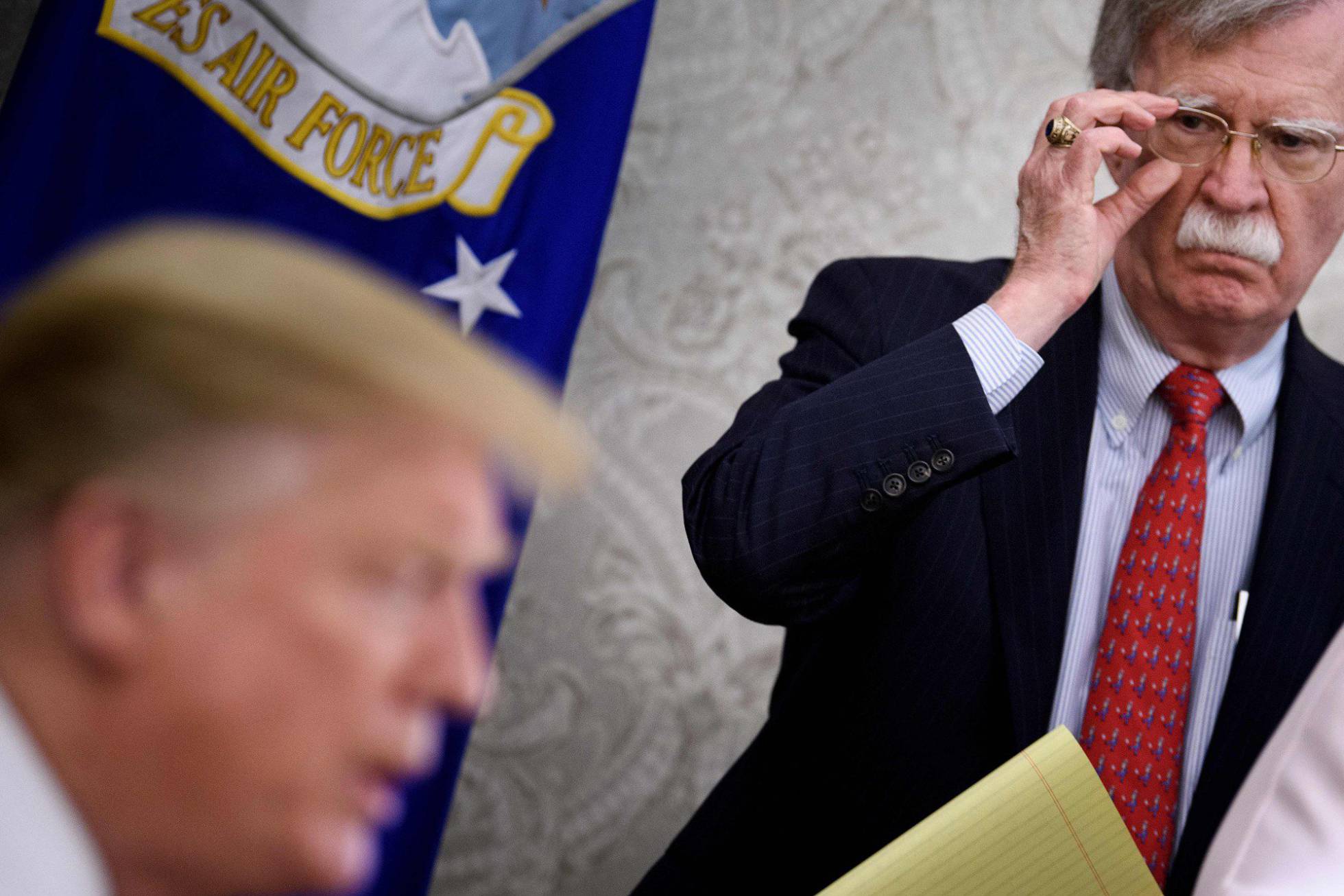
On the other hand, the suspension of the tariff exemption is occurring in the context of the trade wars initiated by Donald Trump’s White House against several countries. To look no further, just this week the Trump administration reignited its confrontation with China, again threatening tariffs on Chinese exports. The tariffs would be imposed on a variety of the Asian nation’s products, with a value of $200 billion.
It is also clear that these aggressive measures are part of what Trump himself flaunts as his style of negotiation, which starts with a frontal attack to try to extract concessions from his counterpart. In this sense, the imposition of the tariff on tomatoes can be seen as part of the skirmishes prior to the ratification of the United States-Mexico-Canada Agreement (the replacement for NAFTA). However, even if it finally ends up being nothing more than a short-term pressure tactic, the tariff will have serious effects for the Mexican economy and will affect the federal government’s plans for rural recovery.
Taking this perspective into account, it is necessary to keep two considerations in mind: First, that without ignoring the negotiations with the U.S. Department of Commerce, the Mexican authorities and producers should take this predicament as a reminder of the urgency of diversifying Mexico’s export markets. The goal should be to reduce our dependency on our biggest trading partner. However, in the case of tomatoes this will not be simple. The geographic proximity to the United States makes it an ideal export market for such a perishable product.
As a complement to this, the priorities of the policy for the support of rural areas should be reviewed and revised.
We should keep in mind that one of the principal objectives of the current Mexican government is to achieve food sovereignty. In this sense, it appears to be necessary to consider realigning support for the agriculture industry toward products for internal consumption. While this would result in less investment than would be generated by agribusiness oriented toward exports, it would make it possible to satisfy the nutritional needs of millions of Mexicans, especially in rural areas.
To put the issue in perspective: Tomatoes rank third among agricultural products exported to the United States from Mexico, so they play a significant role in binational commerce. On the Mexican side, they are a source of 400,000 direct and up to a million indirect jobs. It is an export crop in half of the Mexican states, in particular in Sinaloa and Baja California; for producers in those states, the tariff discussed would involve a cost of $350 million.
On the U.S. side, consumers could be facing price increases of up to 70% on the fruit, which in 2018 represented a $2 billion market.
On the other hand, the suspension of the tariff exemption is occurring in the context of the trade wars initiated by Donald Trump’s White House against several countries. To look no further, just this week the Trump administration reignited its confrontation with China, again threatening tariffs on Chinese exports. The tariffs would be imposed on a variety of the Asian nation’s products, with a value of $200 billion.
It is also clear that these aggressive measures are part of what Trump himself flaunts as his style of negotiation, which starts with a frontal attack to try to extract concessions from his counterpart. In this sense, the imposition of the tariff on tomatoes can be seen as part of the skirmishes prior to the ratification of the United States-Mexico-Canada Agreement (the replacement for NAFTA). However, even if it finally ends up being nothing more than a short-term pressure tactic, the tariff will have serious effects for the Mexican economy and will affect the federal government’s plans for rural recovery.
Taking this perspective into account, it is necessary to keep two considerations in mind: First, that without ignoring the negotiations with the U.S. Department of Commerce, the Mexican authorities and producers should take this predicament as a reminder of the urgency of diversifying Mexico’s export markets. The goal should be to reduce our dependency on our biggest trading partner. However, in the case of tomatoes this will not be simple. The geographic proximity to the United States makes it an ideal export market for such a perishable product.
As a complement to this, the priorities of the policy for the support of rural areas should be reviewed and revised.
We should keep in mind that one of the principal objectives of the current Mexican government is to achieve food sovereignty. In this sense, it appears to be necessary to consider realigning support for the agriculture industry toward products for internal consumption. While this would result in less investment than would be generated by agribusiness oriented toward exports, it would make it possible to satisfy the nutritional needs of millions of Mexicans, especially in rural areas.
Previous article

Next article