It’s Not a Case of White or Black
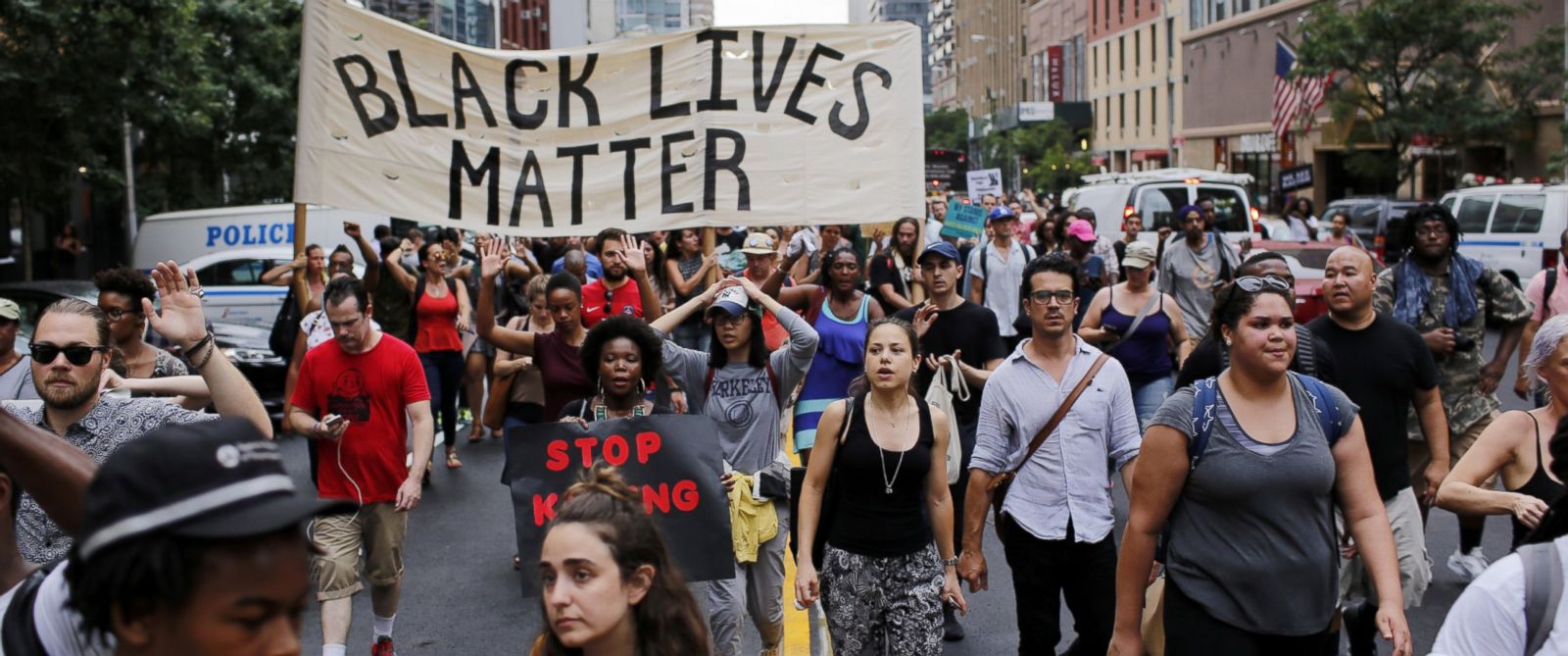
Thousands of people across the U.S. forgot about the pandemic and turned out, crowded together (I hope virologists' predictions are wrong), in protest of the assassination of my namesake George Floyd. As a result, I've come across a rationale that attempts to undermine the anti-racist nature of these protests by alleging that the black community in the U.S. shows disproportionately higher rates of violence than others—which is true—and no one complains about it. Ergo, these protests are artificial and wrong because they don’t protest against the criminal violence of African Americans. I see two substantial problems in this argument, among others.
First, it is based upon a false dilemma. You can protest against endemic crime of African Americans, and you can also protest against racially motivated violence. Or only against one, or against the other. Or, if you want, you can protest police violence regardless of race because there are also white cops who rally against whites. But in this case, the protests are specifically intended for the problem of police practices that discriminate against people of color. If you wish to protest for another cause, perfect. Go and do it, but don't look down upon Black Lives Matter.
The second problem is to conveniently overlook the fact that if a community that represents 12% of the population commits more than 50% of the homicides, one must suspect that the established societal model prevents this group of people from harmoniously integrating themselves with fellow citizens. To negate the existence of racial prejudice would be pointless, and to use successful blacks like Barack Obama as examples is misleading because he is the exception, not the rule. The other option would be to believe that African Americans are more genetically predisposed to commit crime than citizens of other races. What do you think, dear reader?
First, it is based upon a false dilemma. You can protest against endemic crime of African Americans, and you can also protest against racially motivated violence. Or only against one, or against the other. Or, if you want, you can protest police violence regardless of race because there are also white cops who rally against whites. But in this case, the protests are specifically intended for the problem of police practices that discriminate against people of color. If you wish to protest for another cause, perfect. Go and do it, but don't look down upon Black Lives Matter.
The second problem is to conveniently overlook the fact that if a community that represents 12% of the population commits more than 50% of the homicides, one must suspect that the established societal model prevents this group of people from harmoniously integrating themselves with fellow citizens. To negate the existence of racial prejudice would be pointless, and to use successful blacks like Barack Obama as examples is misleading because he is the exception, not the rule. The other option would be to believe that African Americans are more genetically predisposed to commit crime than citizens of other races. What do you think, dear reader?
Previous article

Next article