
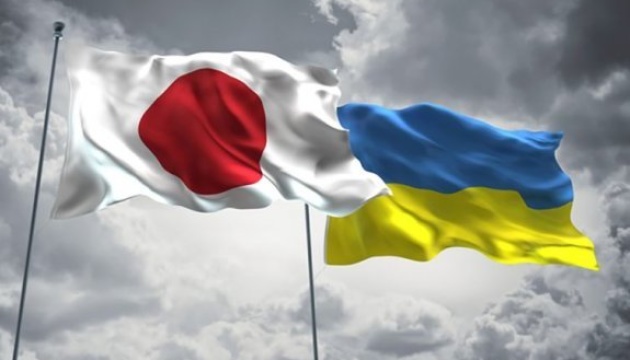
Ukraine Crisis: Japan Must Mirror US Sanctions
The risk of a Russian invasion of Ukraine is rising.
The American government has ordered a force of some 8,500 troops to prepare for deployment to Europe. It has also made clear that, in the event of a Russian invasion, it will implement export restrictions on high-tech parts to Russia along with financial sanctions.
An invasion of Ukraine would be a flagrant act of aggression against a sovereign country. To prevent an invasion, Prime Minister Fumio Kishida should act in concert with the Americans and declare his willingness to consider placing economic sanctions on Russia.
In the event of an invasion, Japan should, together with America, impose stringent sanctions without a moment’s delay. Preparations for this must be made immediately.
U.S. President Joe Biden expressed his concerns on Jan. 25, when he stated that a Russian invasion of Ukraine would be the gravest act of military aggression since World War II and “would change the world.” He also said that he was considering imposing sanctions on the person of Russian President Vladimir Putin. At a meeting of European leaders, there was discussion of implementing measures that would make Russia pay “a high economic price” for any invasion.
Regrettably, Japan’s response to what is an international crisis has been obtuse.
In talks with Biden on Jan. 21, Kishida confirmed that he would take “strong action” in the event of a Russian invasion of Ukraine. At the Jan. 26 meeting of the House of Representatives Budget Committee, however, Kishida said only the following: “I am very concerned about the Russian military buildup and am keeping a close eye on the situation. Putting emphasis on discussions within the Group of Seven developed countries forum, I will respond as appropriate.” Where was any explanation of the “strong action” he said he would take?
Japan’s half-baked response to the 2014 Russian annexation of the southern Ukrainian territory of Crimea must not be repeated. The Japanese government at that time took such measures as pausing talks to ease visa requirements, which caused no real harm to Russia, and appeared weaker than even the European Union’s half-hearted response.
At that time, Shinzo Abe’s government was trying to avoid any worsening of relations with Russia so as to prevent hindering what were then ongoing negotiations to return the Northern Territories to Japanese rule. Those four islands were invaded by the Soviet Union amid the confusion at the end of World War II. To this day, Russia continues to illegally occupy them. On the points of infringement of sovereignty and territory, this was no different from Russia's actions in Crimea and Ukraine. Japan, which has witnessed first-hand Russia’s disregard for the principles of sovereignty, should stand at the vanguard of criticism of Russian actions in Ukraine now.
In Asia, China is threatening the territory and territorial waters of its neighboring countries. China is watching how each country is responding to Russia's aggression. Kishida should display a firm stance: Japan does not recognize any attempts to change the status quo through the use of force.
The American government has ordered a force of some 8,500 troops to prepare for deployment to Europe. It has also made clear that, in the event of a Russian invasion, it will implement export restrictions on high-tech parts to Russia along with financial sanctions.
An invasion of Ukraine would be a flagrant act of aggression against a sovereign country. To prevent an invasion, Prime Minister Fumio Kishida should act in concert with the Americans and declare his willingness to consider placing economic sanctions on Russia.
In the event of an invasion, Japan should, together with America, impose stringent sanctions without a moment’s delay. Preparations for this must be made immediately.
U.S. President Joe Biden expressed his concerns on Jan. 25, when he stated that a Russian invasion of Ukraine would be the gravest act of military aggression since World War II and “would change the world.” He also said that he was considering imposing sanctions on the person of Russian President Vladimir Putin. At a meeting of European leaders, there was discussion of implementing measures that would make Russia pay “a high economic price” for any invasion.
Regrettably, Japan’s response to what is an international crisis has been obtuse.
In talks with Biden on Jan. 21, Kishida confirmed that he would take “strong action” in the event of a Russian invasion of Ukraine. At the Jan. 26 meeting of the House of Representatives Budget Committee, however, Kishida said only the following: “I am very concerned about the Russian military buildup and am keeping a close eye on the situation. Putting emphasis on discussions within the Group of Seven developed countries forum, I will respond as appropriate.” Where was any explanation of the “strong action” he said he would take?
Japan’s half-baked response to the 2014 Russian annexation of the southern Ukrainian territory of Crimea must not be repeated. The Japanese government at that time took such measures as pausing talks to ease visa requirements, which caused no real harm to Russia, and appeared weaker than even the European Union’s half-hearted response.
At that time, Shinzo Abe’s government was trying to avoid any worsening of relations with Russia so as to prevent hindering what were then ongoing negotiations to return the Northern Territories to Japanese rule. Those four islands were invaded by the Soviet Union amid the confusion at the end of World War II. To this day, Russia continues to illegally occupy them. On the points of infringement of sovereignty and territory, this was no different from Russia's actions in Crimea and Ukraine. Japan, which has witnessed first-hand Russia’s disregard for the principles of sovereignty, should stand at the vanguard of criticism of Russian actions in Ukraine now.
In Asia, China is threatening the territory and territorial waters of its neighboring countries. China is watching how each country is responding to Russia's aggression. Kishida should display a firm stance: Japan does not recognize any attempts to change the status quo through the use of force.
Previous article
:quality(70)/cloudfront-eu-central-1.images.arcpublishing.com/thenational/PENW5E6WSUZYNZ6WDER4PKCD3M.jpg "Diplomacy Must Be Revived as International Conflicts Loom")
Next article