
Diplomacy for Peace
War is the end of diplomacy, and peace is its beginning. History shows that no war has ever produced a winner, and at the end of a war it is the losers who turn back to diplomacy. The nations involved in a war end up paying the price of reconstructing diplomacy afterward.
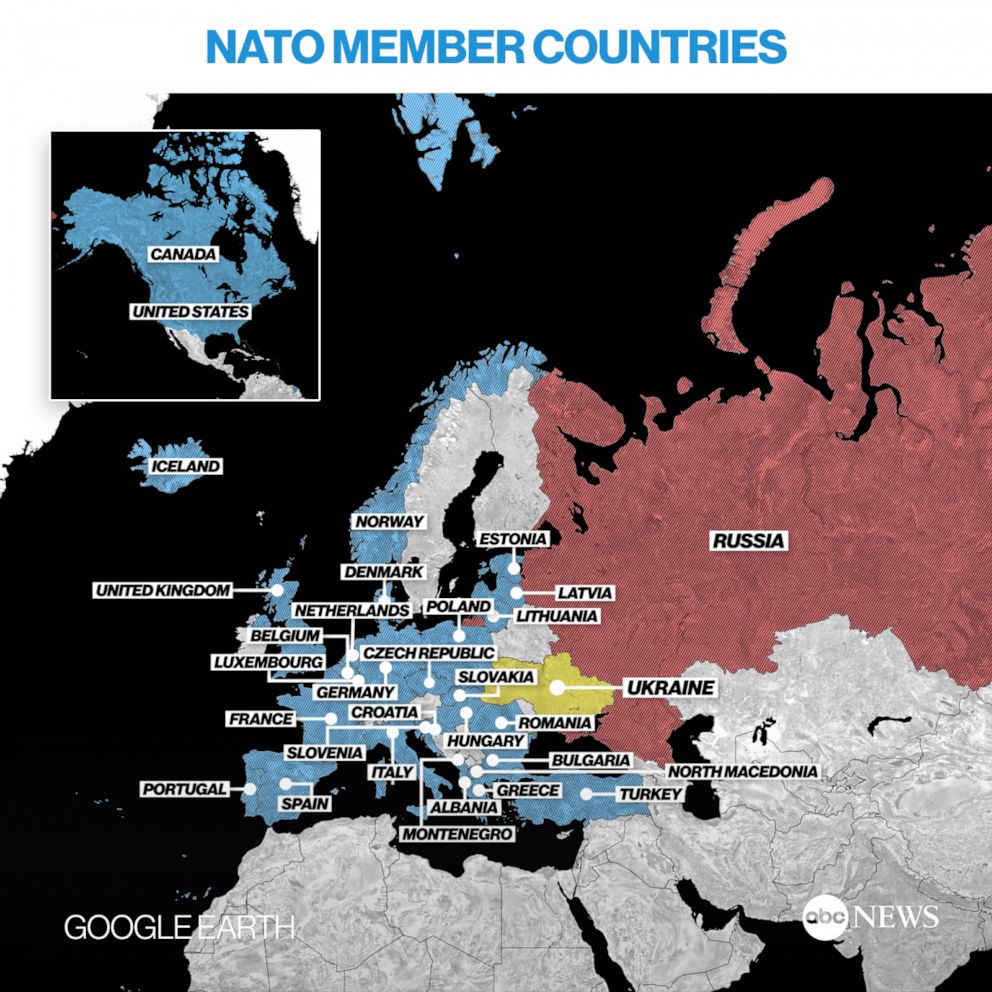
The war in Ukraine might not have happened if constructive diplomacy had been employed. Russia was striving for a power balance on its western border and considers the eastern advance of NATO to be in conflict with its own vital interests. An announcement of Ukraine’s neutrality and abstention from collective defense agreements could have prevented the war.
At this point, strategies under this diplomatic framework would be the most effective way to end the war. There is still room for constructive diplomacy to implement such a strategy on the Western European side. There is no doubt that pursuing diplomacy is the only way to end armed conflicts. Russia has stated that it considers the NATO memberships of Lithuania, Estonia and Latvia to be in conflict with its own interests in the Baltic region. If the current conflict continues, the tension will expand into the Baltic Sea area and, in that event, Belarus would be the staging ground for an attack against these three breakaway Soviet republics.
Ukraine has geopolitical importance for Russia. Ukraine’s admittance to NATO could transform the current battle into a war of attrition, a situation that the European Union does not want. Europe was always against NATO membership for Ukraine and considers the possibility against its own long-term interests. Slowly, this strategy has become more apparent, and eventually, the U.S. will come to share Europe’s view.
The war in Ukraine might not have happened if constructive diplomacy had been employed. Russia was striving for a power balance on its western border and considers the eastern advance of NATO to be in conflict with its own vital interests. An announcement of Ukraine’s neutrality and abstention from collective defense agreements could have prevented the war.
At this point, strategies under this diplomatic framework would be the most effective way to end the war. There is still room for constructive diplomacy to implement such a strategy on the Western European side. There is no doubt that pursuing diplomacy is the only way to end armed conflicts. Russia has stated that it considers the NATO memberships of Lithuania, Estonia and Latvia to be in conflict with its own interests in the Baltic region. If the current conflict continues, the tension will expand into the Baltic Sea area and, in that event, Belarus would be the staging ground for an attack against these three breakaway Soviet republics.
Ukraine has geopolitical importance for Russia. Ukraine’s admittance to NATO could transform the current battle into a war of attrition, a situation that the European Union does not want. Europe was always against NATO membership for Ukraine and considers the possibility against its own long-term interests. Slowly, this strategy has become more apparent, and eventually, the U.S. will come to share Europe’s view.
Previous article
Next article
