

Trump and Biden, Biden and Trump Concern
Published in El Heraldo de México
(Mexico) on 12 July 2023
by José Carreño Figueras (link to
original)
Republicans will run on an agenda that could well be defined as far right, the most extremist agenda in more than half a century.
An increasing number of Americans seem ecstatic about the possibility Donald Trump will be the Republican presidential nominee in 2024.
And increasingly more Americans worry about what that might mean; and even more so, what it would mean if Trump were to win next year on Election Day.
It is not that simple given Trump’s negative circumstances, as he faces prosecution for allegedly unlawful action to block the transfer of power after losing the 2020 election, and an indictment on charges he misappropriated classified documents. This highlights the fact that his presence and his plans concern and even frighten a significant number of voters.
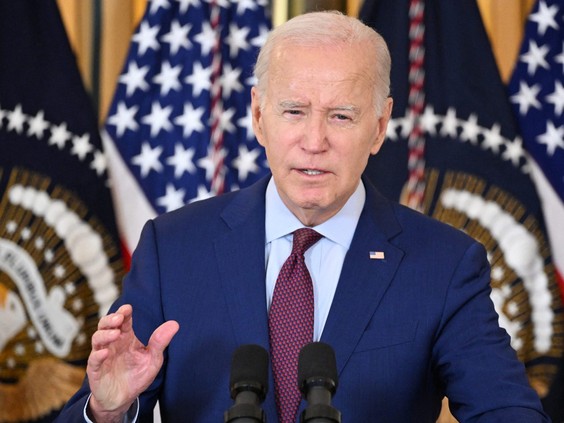
However, part of the dilemma Americans face today is that the octogenarian President Joe Biden will seek reelection, even though his own fellow Democrats have expressed concern about his age and health.
Worse still, it has been known for months that a new clash between the two is failing to arouse enthusiasm among voters. The most recent polls indicate that both candidates have negative ratings, and Americans would prefer some other candidate. But Trump and Biden are the ones for now.
Trump has a fanatical core of supporters who ensure that he dominates the Republican Party, while support for Biden seems more conditional, although the president and his team use the traditional markers of election politics, namely the performance of the country's economy and the state of its institutions. But experts say that Trump seems to rely more on the divisive and choleric arguments of resentment he used in his 2016 campaign victory.
Many analysts, historians and political scientists believe that the U.S. is trapped in what one historian, Alan Wolfe, has described as a "vicious cycle" of growing ideological and partisan hostility in which political leaders, especially those on the right, see a "benefit in fueling the rage even more."
Trump and the Republicans, or the latter without the former, will present themselves to Americans with an agenda that could well be defined as far right, the most extremist in more than half a century, and one that, according to his critics, threatens to undermine the fundamental principles of American democracy as we know it.
But dissatisfaction with how the government is functioning is not exclusive to Republicans and Democrats, with the Democrats facing challenges of their own signified by the growing rift between their liberal and centrist sectors. And incidentally, with their seemingly inevitable presidential candidate.
An increasing number of Americans seem ecstatic about the possibility Donald Trump will be the Republican presidential nominee in 2024.
And increasingly more Americans worry about what that might mean; and even more so, what it would mean if Trump were to win next year on Election Day.
It is not that simple given Trump’s negative circumstances, as he faces prosecution for allegedly unlawful action to block the transfer of power after losing the 2020 election, and an indictment on charges he misappropriated classified documents. This highlights the fact that his presence and his plans concern and even frighten a significant number of voters.
However, part of the dilemma Americans face today is that the octogenarian President Joe Biden will seek reelection, even though his own fellow Democrats have expressed concern about his age and health.
Worse still, it has been known for months that a new clash between the two is failing to arouse enthusiasm among voters. The most recent polls indicate that both candidates have negative ratings, and Americans would prefer some other candidate. But Trump and Biden are the ones for now.
Trump has a fanatical core of supporters who ensure that he dominates the Republican Party, while support for Biden seems more conditional, although the president and his team use the traditional markers of election politics, namely the performance of the country's economy and the state of its institutions. But experts say that Trump seems to rely more on the divisive and choleric arguments of resentment he used in his 2016 campaign victory.
Many analysts, historians and political scientists believe that the U.S. is trapped in what one historian, Alan Wolfe, has described as a "vicious cycle" of growing ideological and partisan hostility in which political leaders, especially those on the right, see a "benefit in fueling the rage even more."
Trump and the Republicans, or the latter without the former, will present themselves to Americans with an agenda that could well be defined as far right, the most extremist in more than half a century, and one that, according to his critics, threatens to undermine the fundamental principles of American democracy as we know it.
But dissatisfaction with how the government is functioning is not exclusive to Republicans and Democrats, with the Democrats facing challenges of their own signified by the growing rift between their liberal and centrist sectors. And incidentally, with their seemingly inevitable presidential candidate.
Previous article
Next article