
Will the Maduro Scenario Repeat Itself with Khamenei?
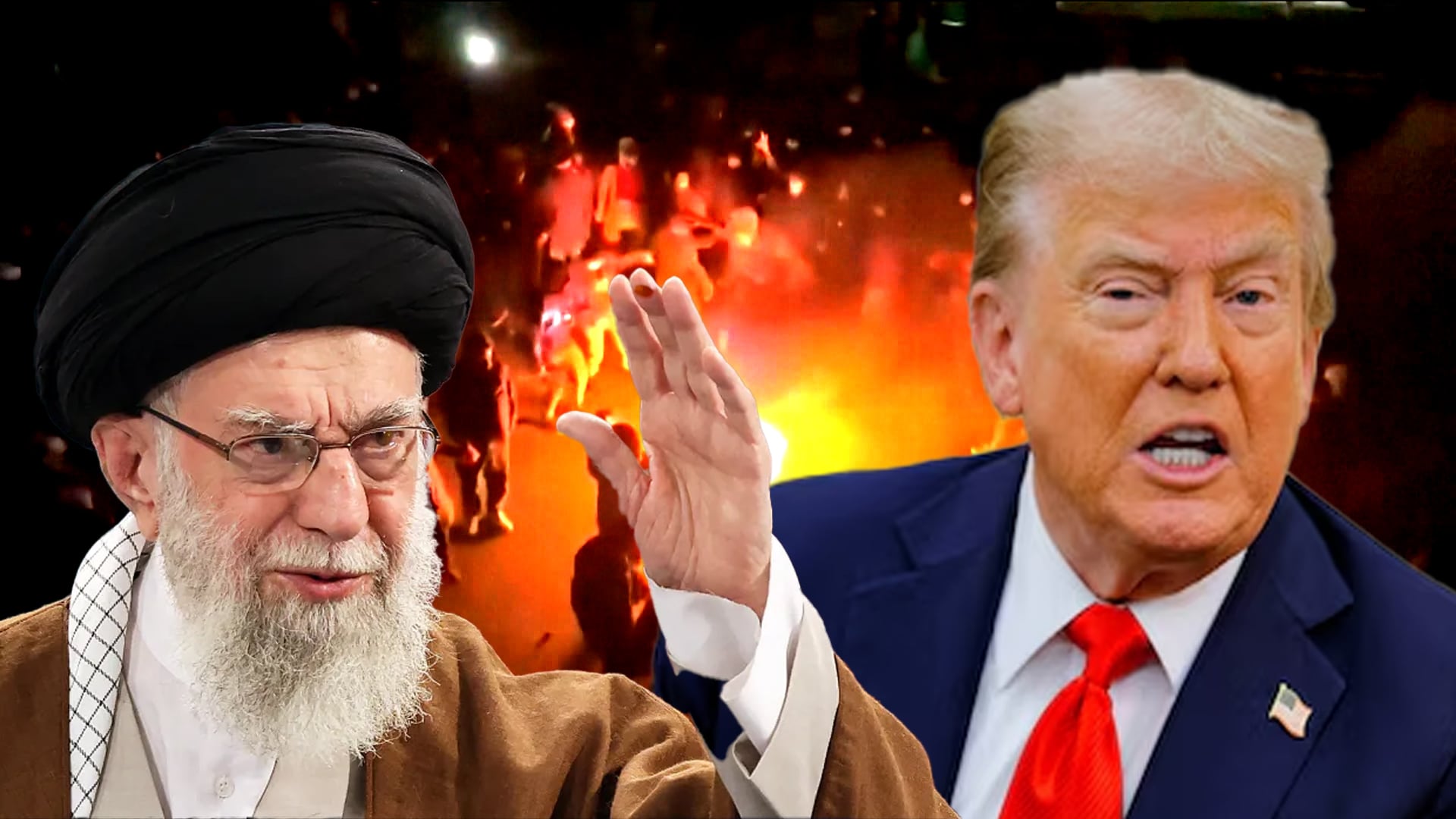
Iran is not Venezuela, and Donald Trump's threat that Ali Khamenei would become the "new Nicolas Maduro" is a scenario that would be difficult to replicate. However, the moment Trump decides to pull the trigger seems to be approaching. Amid the calm before the storm, everyone is searching for signs of the coming strike.
In the gray atmosphere preceding war, the conflict between truth and lies intensifies. This is exactly what is happening right now, and it is more likely that any military strike, if it occurs, will take the form of a comprehensive operation. This strike differs from the previous ones on nuclear facilities, which aimed to delay the nuclear program. However, any new military action amid the current protests will take on the character of "political surgery."
This means targeting the command and control centers of the Revolutionary Guards, communication facilities, airbases used against protesters and ballistic missile silos to ensure Tehran cannot retaliate against U.S. bases or neighboring countries. The fundamental difference is that striking nuclear facilities is a military action, while the anticipated strike aims to break up the regime's prestige in the eyes of the Iranian public. This would facilitate its collapse from within, obviating the need for a full-scale invasion.
The escalation and mutual threats reflect an extremely sensitive phase. Washington is employing the language of pressure and deterrence, while Tehran is warning of harsh retaliation against any military action. The entire region is on edge, awaiting the outcome of this open confrontation.
The fall of the Iranian regime would not be a fleeting event, but an earthquake that would shake the region, creating a reality teetering between major opportunity and zero risks. The downfall of Tehran's regime would lead to the financial and military collapse of its proxies in Lebanon, Iraq and Yemen. More dangerously, it could trigger turmoil that drives oil prices to record levels "over $150," threatening a global recession.
There is genuine fear of a security vacuum, or the "Libyanization" of Iran — evoking the Libyan model — where the collapse of the central authority could lead to ethnic conflict, the rise of extremist groups attempting to seize weapon stockpiles and the eruption of endless wars among armed factions.
An alternative to war might involve assassination or kidnapping. Amid the escalating threats, targeting the "head of the authority" might serve as a substitute for war, according to the leaked American scenarios. Intelligence analyses indicate that Israel and the U.S. possess a "target bank" that includes top leadership figures, similar to the experience with Hezbollah leaders in 2024. Assassinating the Supreme Leader could lead to momentary paralysis in decision-making and a struggle for power within the leadership assembly.
The kidnapping scenario, in contrast, appears to be something out of a Hollywood movie. However, the success of the U.S. operation in Caracas and the arrest of Venezuela's president have given momentum to such ideas. Realistically, though, Iran is not Venezuela. The Supreme Leader is surrounded by a ring of complex security — the Islamic Revolutionary Guard Corps. Any attempt to repeat the Caracas operation would be a declaration of a all-out war, which could lead the regime to trigger the "Samson Option" and blow up the entire region.
This is a zero-sum situation: either a military strike that ends the nuclear program and the regime together, or an internally driven collapse with outside support that reshapes the Middle East — risking chaos, which remains the greatest challenge.
In the gray atmosphere preceding war, the conflict between truth and lies intensifies. This is exactly what is happening right now, and it is more likely that any military strike, if it occurs, will take the form of a comprehensive operation. This strike differs from the previous ones on nuclear facilities, which aimed to delay the nuclear program. However, any new military action amid the current protests will take on the character of "political surgery."
This means targeting the command and control centers of the Revolutionary Guards, communication facilities, airbases used against protesters and ballistic missile silos to ensure Tehran cannot retaliate against U.S. bases or neighboring countries. The fundamental difference is that striking nuclear facilities is a military action, while the anticipated strike aims to break up the regime's prestige in the eyes of the Iranian public. This would facilitate its collapse from within, obviating the need for a full-scale invasion.
The escalation and mutual threats reflect an extremely sensitive phase. Washington is employing the language of pressure and deterrence, while Tehran is warning of harsh retaliation against any military action. The entire region is on edge, awaiting the outcome of this open confrontation.
The fall of the Iranian regime would not be a fleeting event, but an earthquake that would shake the region, creating a reality teetering between major opportunity and zero risks. The downfall of Tehran's regime would lead to the financial and military collapse of its proxies in Lebanon, Iraq and Yemen. More dangerously, it could trigger turmoil that drives oil prices to record levels "over $150," threatening a global recession.
There is genuine fear of a security vacuum, or the "Libyanization" of Iran — evoking the Libyan model — where the collapse of the central authority could lead to ethnic conflict, the rise of extremist groups attempting to seize weapon stockpiles and the eruption of endless wars among armed factions.
An alternative to war might involve assassination or kidnapping. Amid the escalating threats, targeting the "head of the authority" might serve as a substitute for war, according to the leaked American scenarios. Intelligence analyses indicate that Israel and the U.S. possess a "target bank" that includes top leadership figures, similar to the experience with Hezbollah leaders in 2024. Assassinating the Supreme Leader could lead to momentary paralysis in decision-making and a struggle for power within the leadership assembly.
The kidnapping scenario, in contrast, appears to be something out of a Hollywood movie. However, the success of the U.S. operation in Caracas and the arrest of Venezuela's president have given momentum to such ideas. Realistically, though, Iran is not Venezuela. The Supreme Leader is surrounded by a ring of complex security — the Islamic Revolutionary Guard Corps. Any attempt to repeat the Caracas operation would be a declaration of a all-out war, which could lead the regime to trigger the "Samson Option" and blow up the entire region.
This is a zero-sum situation: either a military strike that ends the nuclear program and the regime together, or an internally driven collapse with outside support that reshapes the Middle East — risking chaos, which remains the greatest challenge.
Previous article
Next article
