What Can China and the World Expect from the Trump Administration in 2026?
By 2026, the impact of the United States on China and the world is likely to look familiar rather than surprising. We can broadly understand President Donald Trump’s second term along two lines. First, foreign policy. Trump continues to favor an “America First” approach that treats diplomacy as a series of deals rather than long-term partnerships. The United States is expected to focus heavily on maintaining dominance in the Americas, while still regarding China as a major strategic competitor in the Asia-Pacific. Although the language used about China may occasionally soften, especially around high-level meetings, the underlying sense of rivalry remains unchanged.
Second is domestic policy. Trump seeks to reshape the U.S. system through deregulation, stricter immigration controls, tax reductions and expanded energy production. These priorities reflect the core promises of the MAGA agenda and are meant to reinforce economic growth and national self-reliance. China is increasingly framed as the main rival of the United States across manufacturing, technology, artificial intelligence and trade. In this context, “national security” has become a flexible concept used to justify competition and restrictions in areas far beyond traditional defense concerns.
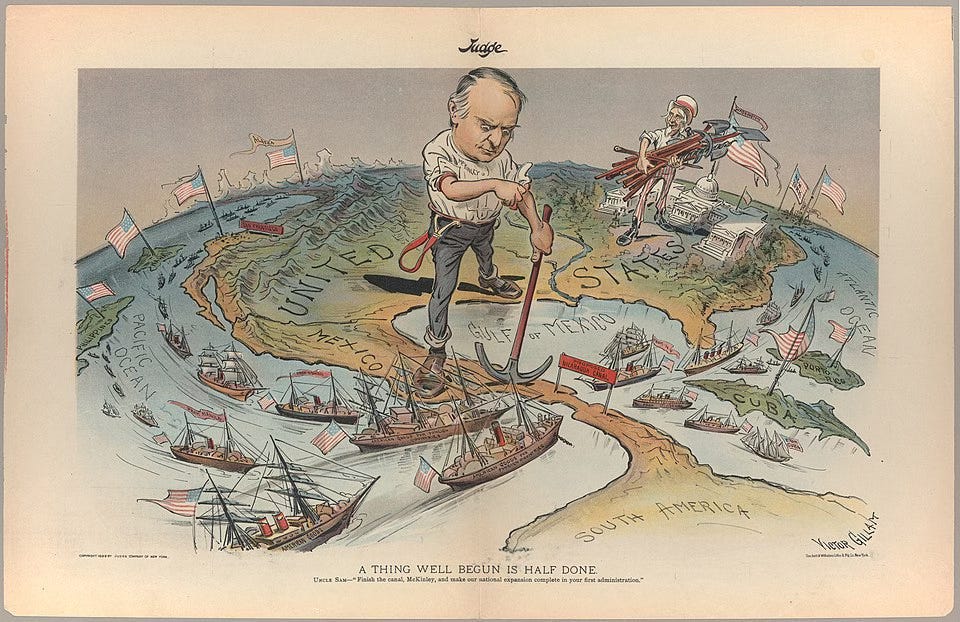
In the Western Hemisphere, U.S. policy shows signs of reviving a modern version of the Monroe Doctrine, asserting strong American influence over political and economic affairs in the region. Venezuela has become a key focus, with U.S. pressure officially justified by anti-drug efforts but closely tied to energy interests and the desire to limit Chinese and Russian influence.
Elsewhere, U.S. foreign policy remains highly transactional. Trade tools and economic pressure are central, alliances are treated pragmatically and long-standing commitments are open to renegotiation. Israel stands apart from this approach because of its deep political and strategic ties with the United States.
In Asia, Trump’s planned visit to Beijing in 2026 may help stabilize relations at the surface level, but it is unlikely to bring a fundamental shift. Strategic competition with China, particularly in technology and global influence, will continue to shape U.S. policy, with cooperation remaining limited and conditional.
Overall, 2026 is expected to reinforce existing trends: continued American self-interest, economic protectionism and long-term competition with China.
Second is domestic policy. Trump seeks to reshape the U.S. system through deregulation, stricter immigration controls, tax reductions and expanded energy production. These priorities reflect the core promises of the MAGA agenda and are meant to reinforce economic growth and national self-reliance. China is increasingly framed as the main rival of the United States across manufacturing, technology, artificial intelligence and trade. In this context, “national security” has become a flexible concept used to justify competition and restrictions in areas far beyond traditional defense concerns.
In the Western Hemisphere, U.S. policy shows signs of reviving a modern version of the Monroe Doctrine, asserting strong American influence over political and economic affairs in the region. Venezuela has become a key focus, with U.S. pressure officially justified by anti-drug efforts but closely tied to energy interests and the desire to limit Chinese and Russian influence.
Elsewhere, U.S. foreign policy remains highly transactional. Trade tools and economic pressure are central, alliances are treated pragmatically and long-standing commitments are open to renegotiation. Israel stands apart from this approach because of its deep political and strategic ties with the United States.
In Asia, Trump’s planned visit to Beijing in 2026 may help stabilize relations at the surface level, but it is unlikely to bring a fundamental shift. Strategic competition with China, particularly in technology and global influence, will continue to shape U.S. policy, with cooperation remaining limited and conditional.
Overall, 2026 is expected to reinforce existing trends: continued American self-interest, economic protectionism and long-term competition with China.
Previous article

Next article