From Venezuela to Iran: US Move To Contain China and Control Resources
The biggest challenge will be Washington’s ability to control the situation postwar.
Despite the distance between them, Venezuela and Iran constitute a key part of an axis with China and Russia that aims to undermine U.S. global influence. Both nations are primary suppliers of oil and other resources to China, and they facilitate Russia’s efforts to evade Western sanctions on its oil, gas and other resources.
Venezuela: Breaking the Chinese influence
Washington chose to maintain the unity of the regime and state in Venezuela, so it removed the head of state and subjugated those remaining to its will. This transformed Caracas overnight from an enemy of the U.S. into a client state, opening its markets and oil fields to American companies. The U.S. Navy severed the maritime communication and disrupted organized smuggling routes between Iran, Venezuela and Russia.
Venezuela has the largest gold reserves in South America and the largest oil reserves in the world. Consequently, shifting it from the Chinese to the U.S. axis is an important step in Washington’s effort to curb Beijing’s influence.
Iran — the Biggest Geographical Prize
Washington is now focusing on the Iranian front under the guise of eliminating nuclear and ballistic threats. Iran, however, is another valuable asset in the global conflict. It is a country rich in oil, natural gas, and precious and critical metals. It occupies a unique geographical location, bordering the Gulf states and Central Asia, and overlooking the Caspian Sea that connects it with Russia.
Iran is a key corridor in China’s Belt and Road Initiative that Beijing has been working for years to connect with Europe and Africa. Geographically, it lies between China and Russia. Although it does not share land borders with either, its geographical location makes Iran a crucial strategic target for the U.S. and other major powers. Overthrowing the Iranian regime is a serious and plausible objective for Washington, as President Donald Trump and other officials have discussed recently. However, there are fears of chaos in Iran should the regime fall, which could lead to its partition, potentially paving the way for Russia and China to build spheres of influence in some of the strategic parts of the country. China’s status as a key economic player in Iran will give it an advantage in filling any security vacuum caused by the chaos following the regime’s fall.
The Dilemma after Regime Change
Many observers believe Washington’s preferred option is to remove the head of the regime and subjugate those remaining through internal maneuvers and agreements with domestic economic and political centers of power. The goal is to replicate the outcome in Venezuela, though the path might be bloodier and more violent given the unique nature of the ideological regime in Tehran.
If Washington replaces the current Iranian regime with one that is more cooperative, it would achieve significant economic gains and have major influence on oil prices, gaining the ability to access and invest in new mines for precious and critical metals. Of course, Washington could then disrupt the Chinese Belt and Road Initiative and gain a foothold in the Caspian Sea. Iran under a new government could become a strategic partner for Israel to face other growing regional powers like Turkey, Saudi Arabia and Egypt.
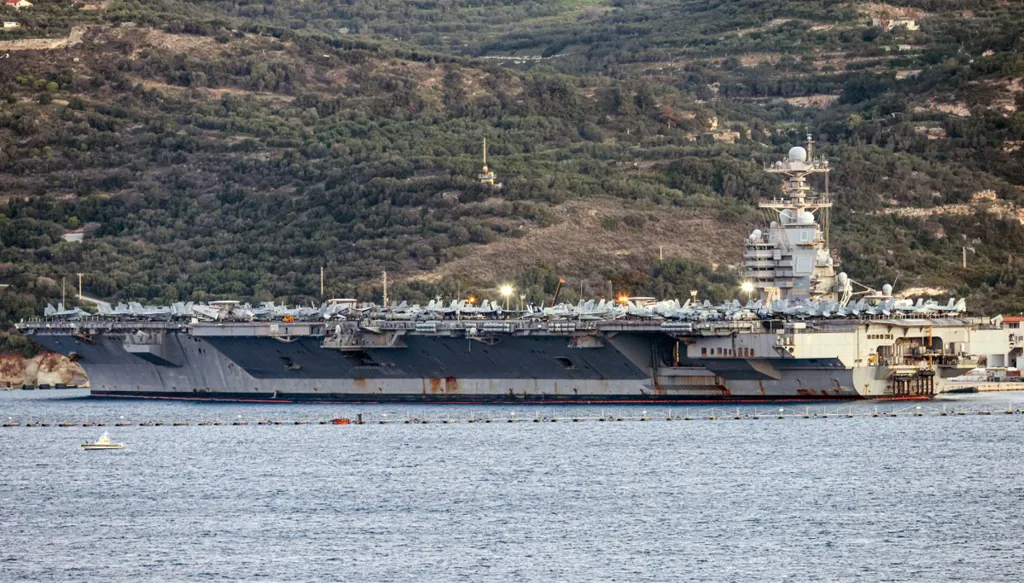
The military balance favors the U.S., which is vastly superior to Iran in terms of equipment, personnel and technology. Therefore, its victory is inevitable.
The biggest challenge will be Washington’s ability to control the situation after the war. Recent U.S. experience in Afghanistan and Iraq was disastrous. While the U.S. won both wars easily, the plans for rebuilding the two governments failed. This is what many U.S. allies fear, especially in the region, because Iran is a huge country with many ethnic and sectarian components. This will make keeping Iran united — while toppling the regime — a highly difficult challenge.
Despite the distance between them, Venezuela and Iran constitute a key part of an axis with China and Russia that aims to undermine U.S. global influence. Both nations are primary suppliers of oil and other resources to China, and they facilitate Russia’s efforts to evade Western sanctions on its oil, gas and other resources.
Venezuela: Breaking the Chinese influence
Washington chose to maintain the unity of the regime and state in Venezuela, so it removed the head of state and subjugated those remaining to its will. This transformed Caracas overnight from an enemy of the U.S. into a client state, opening its markets and oil fields to American companies. The U.S. Navy severed the maritime communication and disrupted organized smuggling routes between Iran, Venezuela and Russia.
Venezuela has the largest gold reserves in South America and the largest oil reserves in the world. Consequently, shifting it from the Chinese to the U.S. axis is an important step in Washington’s effort to curb Beijing’s influence.
Iran — the Biggest Geographical Prize
Washington is now focusing on the Iranian front under the guise of eliminating nuclear and ballistic threats. Iran, however, is another valuable asset in the global conflict. It is a country rich in oil, natural gas, and precious and critical metals. It occupies a unique geographical location, bordering the Gulf states and Central Asia, and overlooking the Caspian Sea that connects it with Russia.
Iran is a key corridor in China’s Belt and Road Initiative that Beijing has been working for years to connect with Europe and Africa. Geographically, it lies between China and Russia. Although it does not share land borders with either, its geographical location makes Iran a crucial strategic target for the U.S. and other major powers. Overthrowing the Iranian regime is a serious and plausible objective for Washington, as President Donald Trump and other officials have discussed recently. However, there are fears of chaos in Iran should the regime fall, which could lead to its partition, potentially paving the way for Russia and China to build spheres of influence in some of the strategic parts of the country. China’s status as a key economic player in Iran will give it an advantage in filling any security vacuum caused by the chaos following the regime’s fall.
The Dilemma after Regime Change
Many observers believe Washington’s preferred option is to remove the head of the regime and subjugate those remaining through internal maneuvers and agreements with domestic economic and political centers of power. The goal is to replicate the outcome in Venezuela, though the path might be bloodier and more violent given the unique nature of the ideological regime in Tehran.
If Washington replaces the current Iranian regime with one that is more cooperative, it would achieve significant economic gains and have major influence on oil prices, gaining the ability to access and invest in new mines for precious and critical metals. Of course, Washington could then disrupt the Chinese Belt and Road Initiative and gain a foothold in the Caspian Sea. Iran under a new government could become a strategic partner for Israel to face other growing regional powers like Turkey, Saudi Arabia and Egypt.
The military balance favors the U.S., which is vastly superior to Iran in terms of equipment, personnel and technology. Therefore, its victory is inevitable.
The biggest challenge will be Washington’s ability to control the situation after the war. Recent U.S. experience in Afghanistan and Iraq was disastrous. While the U.S. won both wars easily, the plans for rebuilding the two governments failed. This is what many U.S. allies fear, especially in the region, because Iran is a huge country with many ethnic and sectarian components. This will make keeping Iran united — while toppling the regime — a highly difficult challenge.
Previous article
Next article