Attacks on Iran: Reckless Action That Raises Middle East Tensions
The U.S. and Israel launched large-scale attacks against Iran, killing Iran Supreme Leader Ali Khamenei, as well as other high-ranking government officials. The Iranian side initiated retaliatory strikes against Israeli and U.S. military bases in various Middle Eastern countries. If the conflict escalates, there is concern that the entire Middle Eastern region will be dragged into war. We hope that both sides will exercise strong self-restraint.
U.S. President Donald Trump justified the attacks by claiming the goal was to eliminate the risk of Iran developing nuclear weapons, and to remove Khamenei, whom he called “one of the most evil people in history” and who oppressed political dissidents. However, it is difficult to say that either of these reasons was an imminent crisis for the U.S., and criticism of the attacks as violations of international law is inevitable.
Last June, the U.S. and Israel attacked Iran's nuclear development facilities. Iran objected, asserting that the facilities were “used for peaceful purposes” and did not give up its intention to develop nuclear weapons. Still, there is a deep-seated view that the nuclear development program had stagnated as a result of the destruction of key nuclear installations.
Regarding nuclear development, A U.S.-Iran leadership summit was held two days before the attacks, and Oman, which acted as an intermediary, stated that there had been great progress. It is also not clear why the U.S. arbitrarily shifted to a hardline attitude.
After the U.S. successfully executed a raid in Venezuela in January, arresting the sovereign nation's top leader, it pushed ahead with murdering Khamenei, further trampling the international order. Such conduct that invalidates the “rule of law” is inexcusable, and the international community must condemn it.
After last June's attacks, antiestablishment protests stemming from hardships of life caused by sanctions against Iran intensified, and many lives were lost to the Iranian regime's oppression. Trump appealed to the Iranian people to abolish the system. But they didn't have the power to replace the regime, and if attacks are carried out without formulating an exit strategy, it could result in chaos. This behavior from a major world power is unparalleled irresponsibility.
These latest attacks destroyed an elementary school in southern Iran, claiming the lives of more than 100 children. Trump's claims of a “just war” are ridiculous.
In 2003, the U.S. toppled Iraqi President Saddam Hussein's regime on the basis that Iraq was concealing weapons of mass destruction. Afterward, the claim of hidden weapons was confirmed to be a lie, but before the attacks, many countries somehow furnished support. If major nations persist in using force based on arbitrary claims, turmoil in the international community will only intensify.
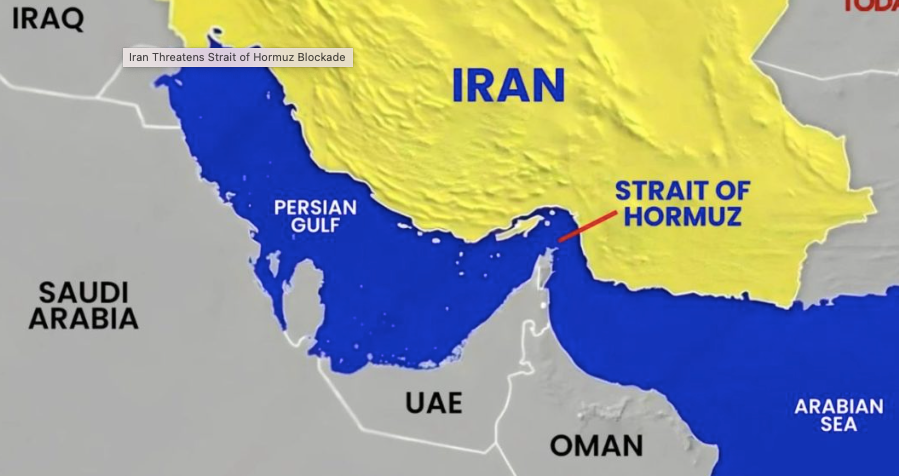
Iran appears poised to blockade the Strait of Hormuz. If this critical traffic route for transporting crude oil is cut off, a sharp rise in prices will be unavoidable, and the Japanese economy, which relies on the Middle East for more than 90% of its imports, will suffer a heavy blow.
Japanese Prime Minister Sanae Takaichi's administration has not articulated a position either for or against this latest round of U.S. attacks and has only criticized Iran's nuclear development. Traditionally, Japan has forged good relations with Iran. We hope to cooperate closely with European and other nations and contribute to peace in the Middle East through diplomatic negotiations.
U.S. President Donald Trump justified the attacks by claiming the goal was to eliminate the risk of Iran developing nuclear weapons, and to remove Khamenei, whom he called “one of the most evil people in history” and who oppressed political dissidents. However, it is difficult to say that either of these reasons was an imminent crisis for the U.S., and criticism of the attacks as violations of international law is inevitable.
Last June, the U.S. and Israel attacked Iran's nuclear development facilities. Iran objected, asserting that the facilities were “used for peaceful purposes” and did not give up its intention to develop nuclear weapons. Still, there is a deep-seated view that the nuclear development program had stagnated as a result of the destruction of key nuclear installations.
Regarding nuclear development, A U.S.-Iran leadership summit was held two days before the attacks, and Oman, which acted as an intermediary, stated that there had been great progress. It is also not clear why the U.S. arbitrarily shifted to a hardline attitude.
After the U.S. successfully executed a raid in Venezuela in January, arresting the sovereign nation's top leader, it pushed ahead with murdering Khamenei, further trampling the international order. Such conduct that invalidates the “rule of law” is inexcusable, and the international community must condemn it.
After last June's attacks, antiestablishment protests stemming from hardships of life caused by sanctions against Iran intensified, and many lives were lost to the Iranian regime's oppression. Trump appealed to the Iranian people to abolish the system. But they didn't have the power to replace the regime, and if attacks are carried out without formulating an exit strategy, it could result in chaos. This behavior from a major world power is unparalleled irresponsibility.
These latest attacks destroyed an elementary school in southern Iran, claiming the lives of more than 100 children. Trump's claims of a “just war” are ridiculous.
In 2003, the U.S. toppled Iraqi President Saddam Hussein's regime on the basis that Iraq was concealing weapons of mass destruction. Afterward, the claim of hidden weapons was confirmed to be a lie, but before the attacks, many countries somehow furnished support. If major nations persist in using force based on arbitrary claims, turmoil in the international community will only intensify.
Iran appears poised to blockade the Strait of Hormuz. If this critical traffic route for transporting crude oil is cut off, a sharp rise in prices will be unavoidable, and the Japanese economy, which relies on the Middle East for more than 90% of its imports, will suffer a heavy blow.
Japanese Prime Minister Sanae Takaichi's administration has not articulated a position either for or against this latest round of U.S. attacks and has only criticized Iran's nuclear development. Traditionally, Japan has forged good relations with Iran. We hope to cooperate closely with European and other nations and contribute to peace in the Middle East through diplomatic negotiations.
Previous article