US-Japan Leadership Summit: Stick to Refusal of Military Support
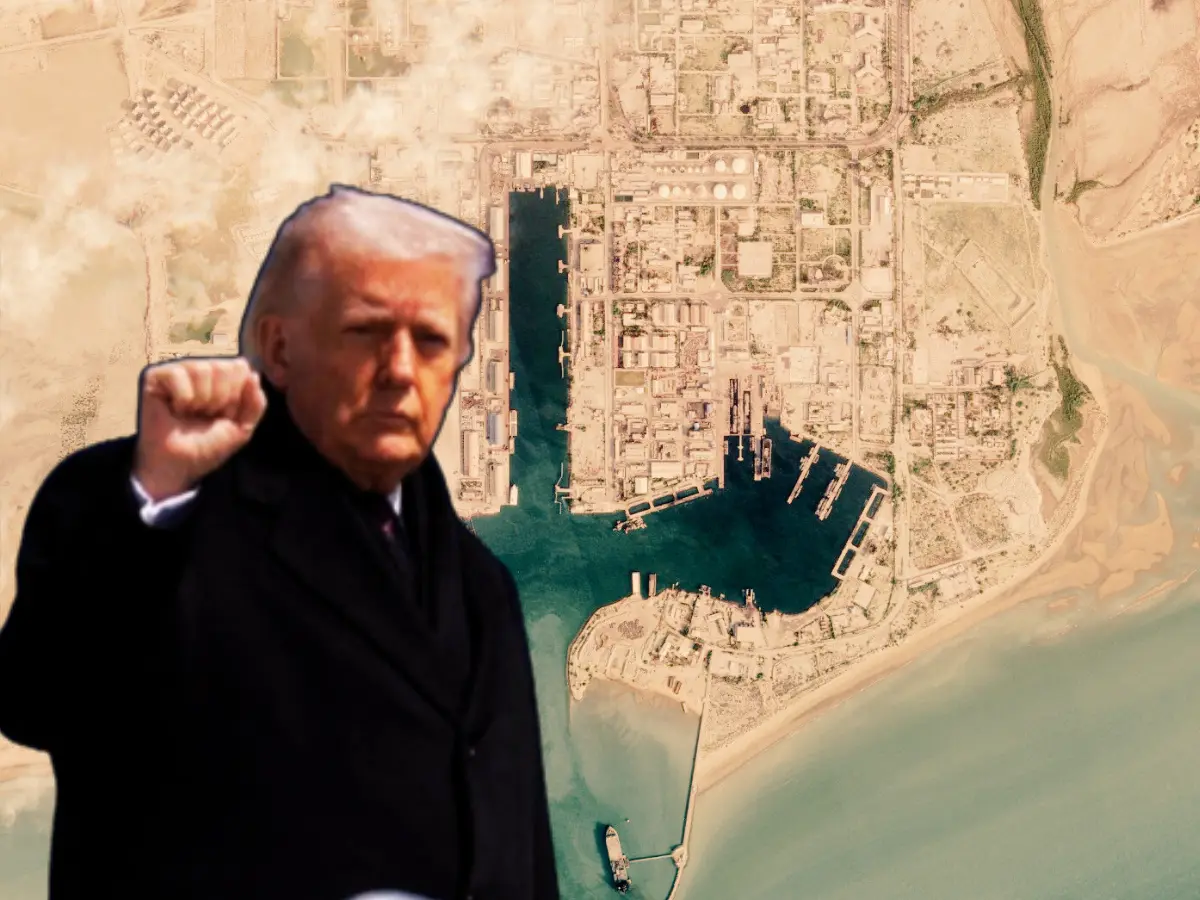
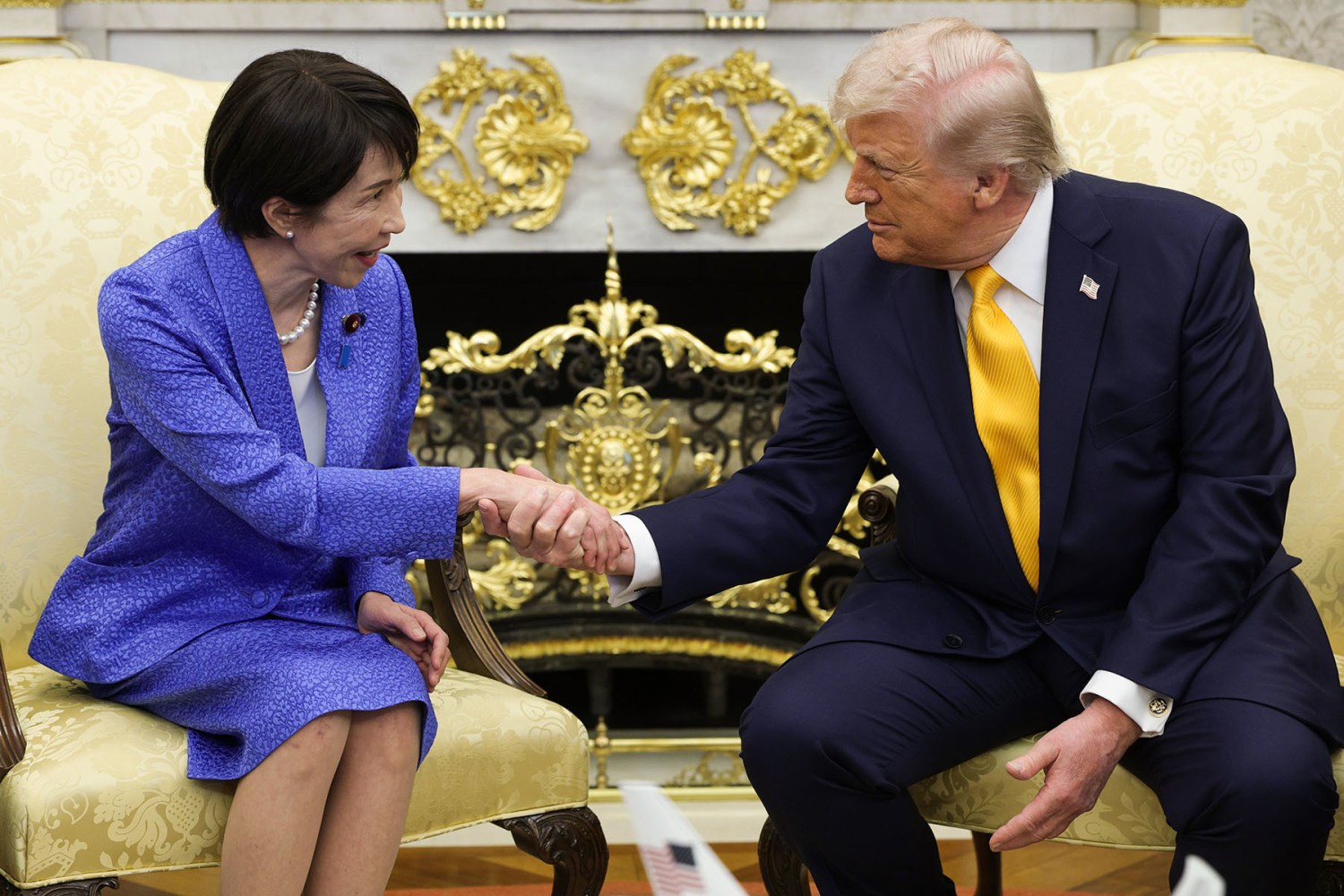
At a conference between Japanese Prime Minister Sanae Takaichi and U.S. President Donald Trump, Takaichi explained that there are legal restrictions on dispatching Japan Self-Defense Forces to the Strait of Hormuz, which has been effectively blocked by Iran.
The U.S.-Israel attacks on Iran violate international law, and it is appropriate that Japan, a peace-loving nation, not send the JSDF in support of the attacks. As long as no ceasefire is established, Japan should stick to its stance of refusing to provide military support.
At the conference, Trump pointed out that Japan relies on the Middle East for 90% of its crude oil, asking that Japan contribute to guaranteed safe passage through the Strait of Hormuz, a critical transport route. Takaichi limited her response to stating that “there are certain actions [Japan] can and cannot take within the scope of Japanese law.”
Whereas Trump criticized NATO as uncooperative, he demonstrated an understanding that “they [Japan] are really stepping up to the plate,” remarks which likely stemmed from consideration for the Japanese side. He avoided venting his dissatisfaction to Takaichi, who is being prudent about dispatching naval vessels, and the Japanese government judged the meeting to be a success.
However, Takaichi's praise of Trump, saying that “it is only you, Donald, who can achieve peace across the world,” produces an uncomfortable feeling, because Trump is spreading war throughout the world with his arbitrary attacks on Iran and Venezuela.
Applauding the ringleader of an illegal war is not appropriate, as the prime minister of a peace-loving nation. Even if diplomatic language is necessary to preserve good U.S.-Japan relations, flattery goes too far. Takaichi pointed out the need to quickly calm the situation, but it is doubtful that she conveyed to Trump the Japanese side's concerns.
Takaichi's unilateral reproach of Iran is also difficult to understand. The blockade of the Strait of Hormuz and the attacks on surrounding areas themselves merit criticism, but letting Trump, who created the cause [for the attacks], go unquestioned is lacking fairness. We hope that the Japanese government will respond prudently in order to avoid damaging the traditionally friendly relationship that it holds with Iran.
Regarding the political situation with Taiwan, the U.S. and Japanese leaders checked China, stating that they “opposed any attempts to unilaterally change the status quo, including by force or coercion,” but is this claim by the U.S., which repeatedly changes the status quo unilaterally, convincing? Expecting Takaichi herself to be able to better the relationship between Japan and China, which has degenerated because of the response to a possible Chinese military invasion of Taiwan, by relying on Trump is illogical.
The U.S. and Japan agreed on joint development of rare earth elements, but in the short term, it will be difficult to wean away from dependence on China. It is essential that the prime minister herself try to restart dialogue in order to improve Japan-China relations.
The U.S.-Israel attacks on Iran violate international law, and it is appropriate that Japan, a peace-loving nation, not send the JSDF in support of the attacks. As long as no ceasefire is established, Japan should stick to its stance of refusing to provide military support.
At the conference, Trump pointed out that Japan relies on the Middle East for 90% of its crude oil, asking that Japan contribute to guaranteed safe passage through the Strait of Hormuz, a critical transport route. Takaichi limited her response to stating that “there are certain actions [Japan] can and cannot take within the scope of Japanese law.”
Whereas Trump criticized NATO as uncooperative, he demonstrated an understanding that “they [Japan] are really stepping up to the plate,” remarks which likely stemmed from consideration for the Japanese side. He avoided venting his dissatisfaction to Takaichi, who is being prudent about dispatching naval vessels, and the Japanese government judged the meeting to be a success.
However, Takaichi's praise of Trump, saying that “it is only you, Donald, who can achieve peace across the world,” produces an uncomfortable feeling, because Trump is spreading war throughout the world with his arbitrary attacks on Iran and Venezuela.
Applauding the ringleader of an illegal war is not appropriate, as the prime minister of a peace-loving nation. Even if diplomatic language is necessary to preserve good U.S.-Japan relations, flattery goes too far. Takaichi pointed out the need to quickly calm the situation, but it is doubtful that she conveyed to Trump the Japanese side's concerns.
Takaichi's unilateral reproach of Iran is also difficult to understand. The blockade of the Strait of Hormuz and the attacks on surrounding areas themselves merit criticism, but letting Trump, who created the cause [for the attacks], go unquestioned is lacking fairness. We hope that the Japanese government will respond prudently in order to avoid damaging the traditionally friendly relationship that it holds with Iran.
Regarding the political situation with Taiwan, the U.S. and Japanese leaders checked China, stating that they “opposed any attempts to unilaterally change the status quo, including by force or coercion,” but is this claim by the U.S., which repeatedly changes the status quo unilaterally, convincing? Expecting Takaichi herself to be able to better the relationship between Japan and China, which has degenerated because of the response to a possible Chinese military invasion of Taiwan, by relying on Trump is illogical.
The U.S. and Japan agreed on joint development of rare earth elements, but in the short term, it will be difficult to wean away from dependence on China. It is essential that the prime minister herself try to restart dialogue in order to improve Japan-China relations.
Previous article