

Is Being Too Pro-American in Taiwan’s Interests?
“Uncle Sam,” as people here commonly call the U.S., gives an impression of honesty, justice, strength, trustworthiness and reliability. At least in the past, that’s what people have long called Americans, regarding them as true friends and confidants. In recent decades, however, there seems to have been a fundamental shift. Americans have changed, getting into disputes and doing things for no clear reason, like a child throwing a tantrum to get candy.
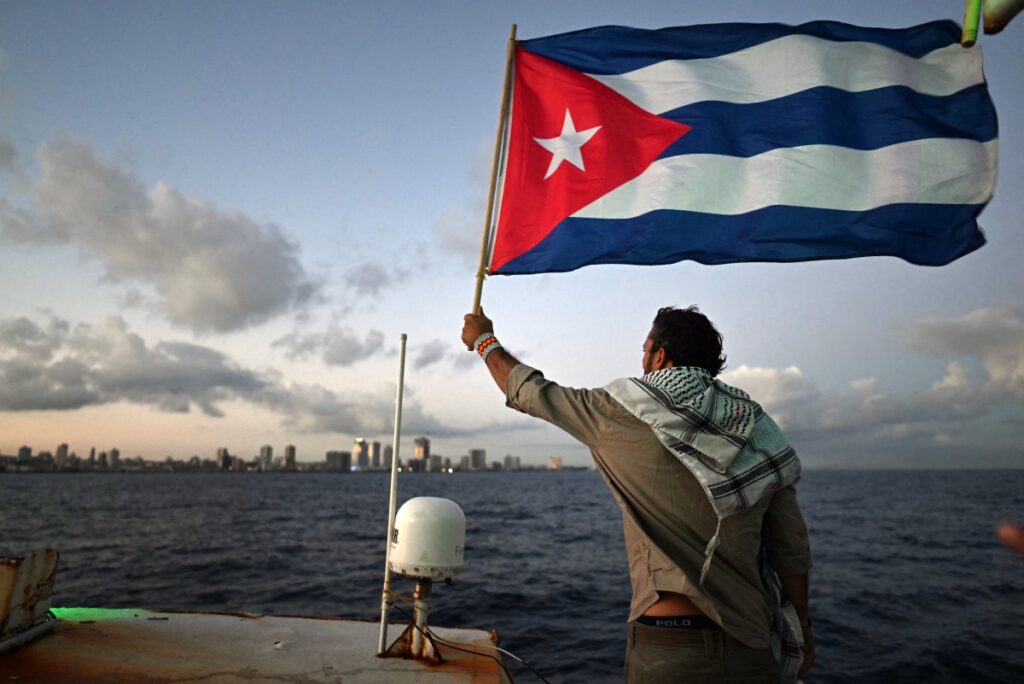
Located on the northern tip of South America, Venezuela has the largest oil reserves. In the last century, the U.S. and Venezuela had a close relationship, which soured, however, this century. The U.S. has supported the opposition party, becoming opponents of President Nicolás Maduro. This January, President Donald Trump’s administration, working with an infiltrator in Maduro’s government, gathered detailed information on Maduro’s movements and everyday routines. When they got the green light, they attacked his presidential residence and captured him, taking down this oil-rich country. In American public opinion, Trump has been mocked for his American expansionism and desire to add a 51st state. In addition to Venezuela, Cuba and Greenland are on the list of countries he wants the U.S. to expand into. Although he has already drawn up plans, his progress has been limited.
The biggest crises the world is facing are energy and upheaval in the Middle East. Although the U.S. is in North America, more than 10,000 miles away, it is deeply involved in the Middle East conflict. The U.S. had no geopolitical reason for entering the conflict. Still, with strong lobbying from Israel, the U.S. joined with Israel to enter the conflict. Israel has long clashed with Middle Eastern countries, which periodically try to wipe it from the map. Israel’s involvement is a fight for survival; what is America’s excuse for getting involved? All I can say is that Israeli and Jewish influence in Washington became too big for Trump to ignore.
Since America is Taiwan’s “Uncle Sam,” it should take better care of Taiwan. America does not, however. The U.S. frequently talks about providing protection for Taiwan — words that have little substantive meaning. Yet the U.S. never forgets to demand compensation from Taiwan. The current issue is the Section 301 tariffs, which the U.S. wants to collect in two batches from 16 and 60 countries. Although Taiwan is first on the list of victims to be raked over the coals, its response has been to submit meekly.
Pro-American sentiment is so deeply ingrained in the Taiwanese that they don’t complain or even feel angry about it. Officials who handle affairs with the U.S. even have a relatively high standing in society. For example, Cheng Li-chiun, the vice premier of the Executive Yuan and head tariff negotiator, has called them “compradors” well-versed in foreign affairs. Although the word comprador has a slightly derogatory connotation, since the reciprocal tariffs went into effect last April, Cheng has been flying to Washington monthly for talks. The Taiwanese haven’t examined the results of her talks, instead praising her unreservedly and nominating her to represent the incumbent party in the Taipei mayoral race. This is high praise indeed.
Taiwan’s pro-American sentiment is rooted in survival. However, should it turn into sucking up to the U.S., that would be a problem.
Located on the northern tip of South America, Venezuela has the largest oil reserves. In the last century, the U.S. and Venezuela had a close relationship, which soured, however, this century. The U.S. has supported the opposition party, becoming opponents of President Nicolás Maduro. This January, President Donald Trump’s administration, working with an infiltrator in Maduro’s government, gathered detailed information on Maduro’s movements and everyday routines. When they got the green light, they attacked his presidential residence and captured him, taking down this oil-rich country. In American public opinion, Trump has been mocked for his American expansionism and desire to add a 51st state. In addition to Venezuela, Cuba and Greenland are on the list of countries he wants the U.S. to expand into. Although he has already drawn up plans, his progress has been limited.
The biggest crises the world is facing are energy and upheaval in the Middle East. Although the U.S. is in North America, more than 10,000 miles away, it is deeply involved in the Middle East conflict. The U.S. had no geopolitical reason for entering the conflict. Still, with strong lobbying from Israel, the U.S. joined with Israel to enter the conflict. Israel has long clashed with Middle Eastern countries, which periodically try to wipe it from the map. Israel’s involvement is a fight for survival; what is America’s excuse for getting involved? All I can say is that Israeli and Jewish influence in Washington became too big for Trump to ignore.
Since America is Taiwan’s “Uncle Sam,” it should take better care of Taiwan. America does not, however. The U.S. frequently talks about providing protection for Taiwan — words that have little substantive meaning. Yet the U.S. never forgets to demand compensation from Taiwan. The current issue is the Section 301 tariffs, which the U.S. wants to collect in two batches from 16 and 60 countries. Although Taiwan is first on the list of victims to be raked over the coals, its response has been to submit meekly.
Pro-American sentiment is so deeply ingrained in the Taiwanese that they don’t complain or even feel angry about it. Officials who handle affairs with the U.S. even have a relatively high standing in society. For example, Cheng Li-chiun, the vice premier of the Executive Yuan and head tariff negotiator, has called them “compradors” well-versed in foreign affairs. Although the word comprador has a slightly derogatory connotation, since the reciprocal tariffs went into effect last April, Cheng has been flying to Washington monthly for talks. The Taiwanese haven’t examined the results of her talks, instead praising her unreservedly and nominating her to represent the incumbent party in the Taipei mayoral race. This is high praise indeed.
Taiwan’s pro-American sentiment is rooted in survival. However, should it turn into sucking up to the U.S., that would be a problem.
Previous article
Next article
