A Knot Being Untied
Trump would rather view Europeans as customers for his defense industry than as allies.
Boris Johnson wants to have his cake and eat it too: a hard Brexit free of charge. If he were French, he would want the butter and the money for the butter. If he were Spanish, he would both ring the bells and walk in the procession. This, too, is what Donald Trump wishes to do with Europe. To have every advantage and none of the disadvantages.
There is something undeniable: As Europeans, we will have to go into our pockets and spend more on our defense, instead of trusting in the readiness of American soldiers to give up their lives for European freedom and the readiness of their government to spend the money of American taxpayers in order to hold back the threats looming over us.
This was the case throughout the Cold War, and it has continued in fits and starts until today. The agreement, embodied by the Atlantic alliance, has been good for everybody. NATO has been credited as the greatest success in history as far as military alliances are concerned, and not without reason: It won the Cold War without firing a single bullet, and has only once invoked its crucial Article 5, by which members are committed to defend another member when attacked. It was on 9/11, with the attacks on Manhattan and Washington that NATO offered to intervene in defense of the United States, which it did through its involvement and leadership of the occupation of Afghanistan.
This has come to an end. Trump's intentions are clear, even if his advisers will make him backtrack later. NATO does not interest him, he could not care less about Article 5, he only thinks about how to contribute less money, cause Europeans to pay more and simultaneously, obtain more purchase orders for the American arms industry. That is all. Shared values, common strategies and transatlantic solidarity, are all just noise to this ludicrous president.
The European Union is already increasing its defense expenditures, but one of the urgent tasks ahead is improving its coordination regarding types of weaponry and purchasing policy. A more rational handling of its military budgets, together with the creation of a European Defense Fund, would substantially improve its capabilities, which is essential if we, as Europeans, are to be responsible for our own safety, instead of subletting it to the U.S.
This is what Permanent Structured Cooperation, whose implementation has raised alarms among American arms manufacturers, is going to do.* Europe is, above all, a market for the world's number one arms manufacturer and seller (with a 33 percent market share). Apparently, this is about us spending more, but only on weapons made in the U.S.
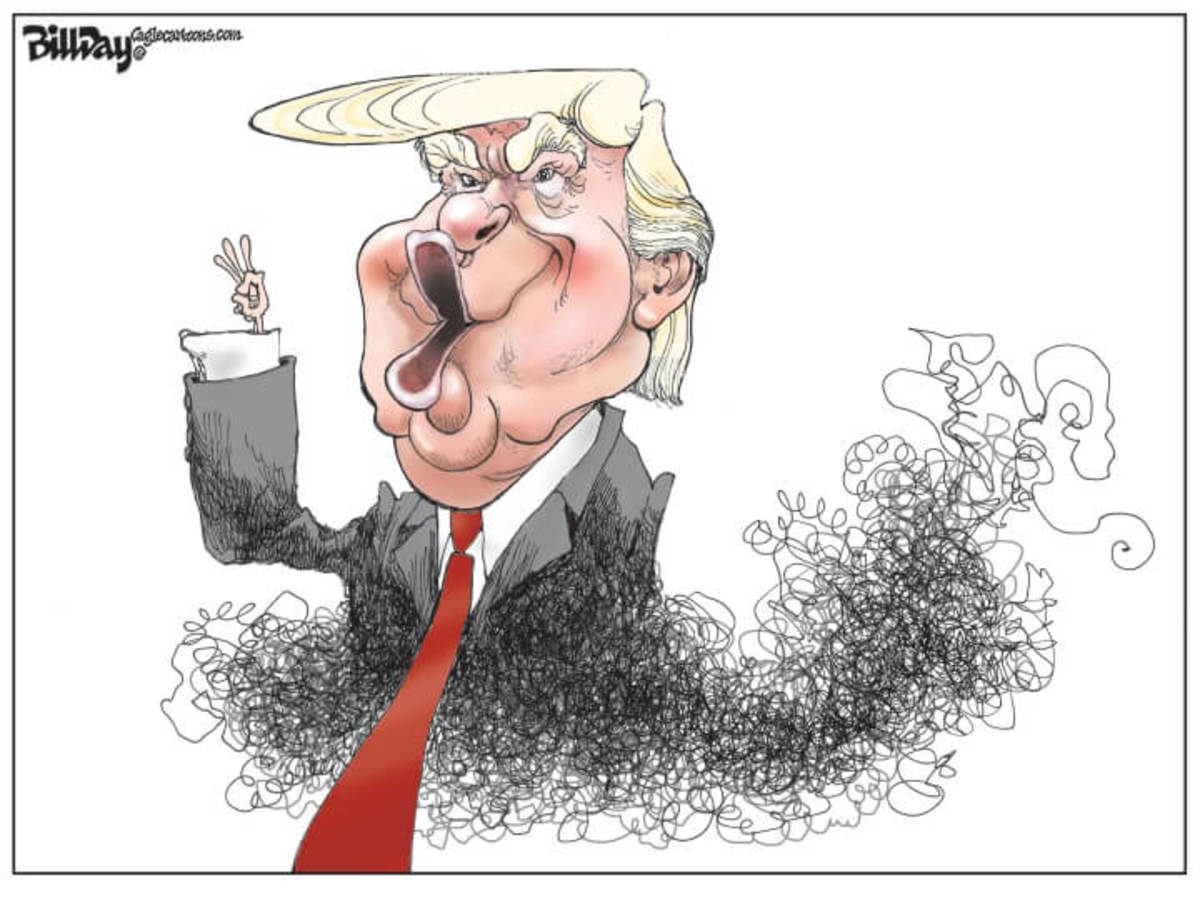
In these transatlantic ties where the beaches of Normandy no longer matter, the siege of Berlin, the Cold War victory, and solidarity in the face of terrorism will become a cold commercial relationship nobody will be ready to fight for, exchangeable for another: for example, with China. They will no longer be a knot, but worthless untied string.
Boris Johnson wants to have his cake and eat it too: a hard Brexit free of charge. If he were French, he would want the butter and the money for the butter. If he were Spanish, he would both ring the bells and walk in the procession. This, too, is what Donald Trump wishes to do with Europe. To have every advantage and none of the disadvantages.
There is something undeniable: As Europeans, we will have to go into our pockets and spend more on our defense, instead of trusting in the readiness of American soldiers to give up their lives for European freedom and the readiness of their government to spend the money of American taxpayers in order to hold back the threats looming over us.
This was the case throughout the Cold War, and it has continued in fits and starts until today. The agreement, embodied by the Atlantic alliance, has been good for everybody. NATO has been credited as the greatest success in history as far as military alliances are concerned, and not without reason: It won the Cold War without firing a single bullet, and has only once invoked its crucial Article 5, by which members are committed to defend another member when attacked. It was on 9/11, with the attacks on Manhattan and Washington that NATO offered to intervene in defense of the United States, which it did through its involvement and leadership of the occupation of Afghanistan.
This has come to an end. Trump's intentions are clear, even if his advisers will make him backtrack later. NATO does not interest him, he could not care less about Article 5, he only thinks about how to contribute less money, cause Europeans to pay more and simultaneously, obtain more purchase orders for the American arms industry. That is all. Shared values, common strategies and transatlantic solidarity, are all just noise to this ludicrous president.
The European Union is already increasing its defense expenditures, but one of the urgent tasks ahead is improving its coordination regarding types of weaponry and purchasing policy. A more rational handling of its military budgets, together with the creation of a European Defense Fund, would substantially improve its capabilities, which is essential if we, as Europeans, are to be responsible for our own safety, instead of subletting it to the U.S.
This is what Permanent Structured Cooperation, whose implementation has raised alarms among American arms manufacturers, is going to do.* Europe is, above all, a market for the world's number one arms manufacturer and seller (with a 33 percent market share). Apparently, this is about us spending more, but only on weapons made in the U.S.
In these transatlantic ties where the beaches of Normandy no longer matter, the siege of Berlin, the Cold War victory, and solidarity in the face of terrorism will become a cold commercial relationship nobody will be ready to fight for, exchangeable for another: for example, with China. They will no longer be a knot, but worthless untied string.
Previous article
Next article