
Is Putin Still Betting on Trump?
In a series that does not seem as though it will end soon, on Aug. 9, 2018, the U.S. State Department announced a package of new economic sanctions on Russia, which includes a prohibition of the sale of sensitive technology like that used in electronic devices and calibration equipment. This occurred against the backdrop of the poisoning of the Russian double agent with the nerve agent Novichok last March. These sanctions went into effect on Aug. 27, 2018.
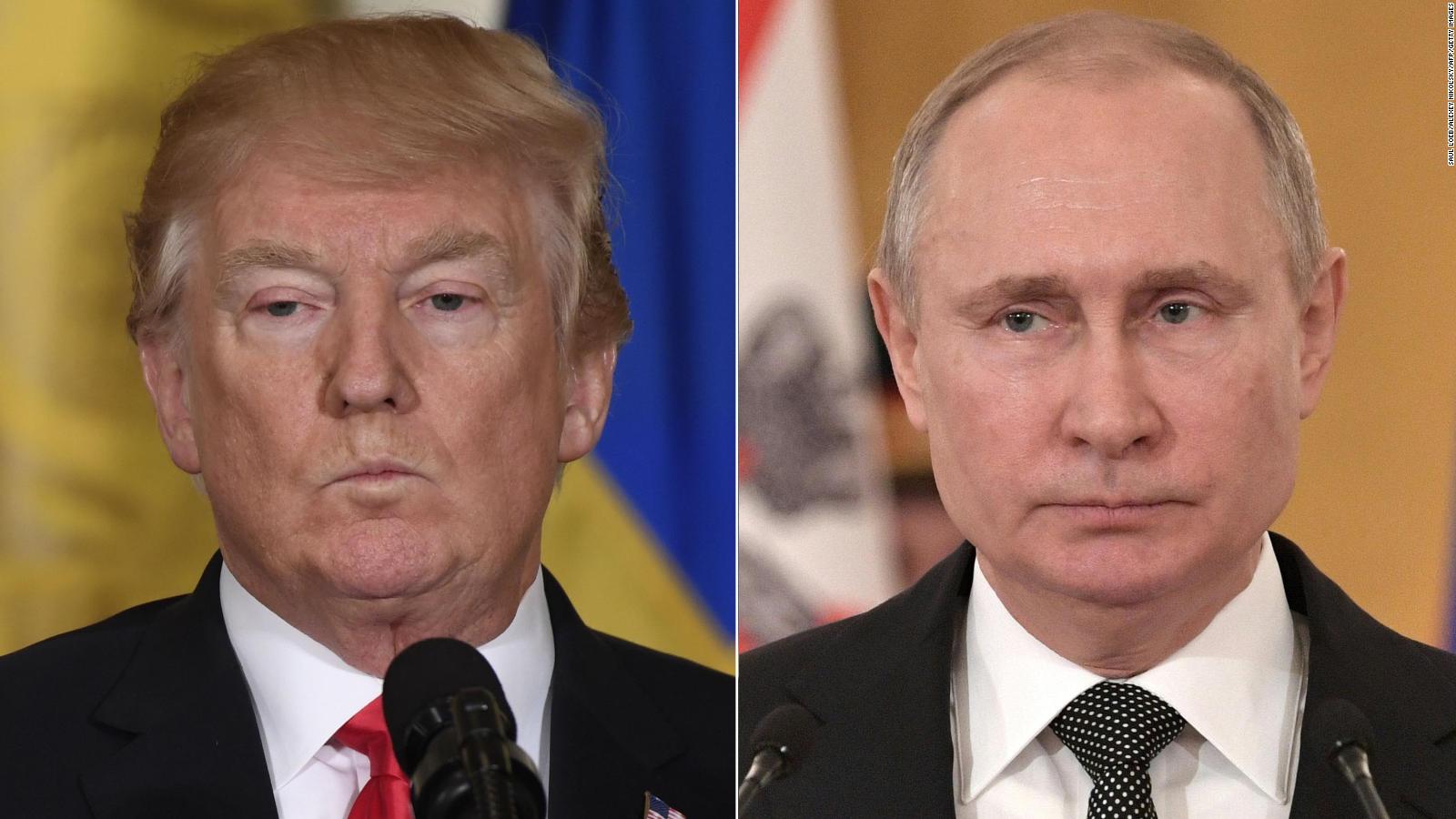
The latest sanctions contain a clear message to President Vladimir Putin and his American counterpart that whatever their relationship and dreams for bilateral relations may be, the United States of America is not prepared to take a meek position, and that the United States is committed to punishing Russia, regardless of anything Donald Trump says or does. In reality, sanctions, which have become the central tool in American policy toward Russia, represent a more complicated challenge.
In relation to the Kremlin, the sanctions are tantamount to a challenge and an opportunity at the same time. On one hand, the sanctions negatively affect the flow of Western investment and movement of technology to Russia. On the other hand, the sanctions have had a decisive influence on rallying the Russian people as well as the elites around President Putin. Likewise, the sanctions are pushing Russia to search for partners outside of the West and reformulate its position as an international power.
It is clear that the series of American sanctions have had a limited effect on the Russian economy. At the end of its reports on Aug. 19, 2018, the international credit ratings agency maintained Russia’s long-term financial risk rating at BBB with a favorable future outlook, pointing out that the American sanctions might pose dangers to the Russian economy, but the “Russian economy has coped well with the new round of U.S. sanctions.”
It is self-evident that Western sanctions do not represent an alternative to the formulation of an effective Western policy toward Russia that is tied to a coherent diplomatic strategy. Herein lies the fundamental political, security and economic challenge that faces the United States and its European allies in the coming years: developing a new strategy for cooperation with Russia that is based upon a realistic understanding of Russia as it is and not upon a foundation of what the West hopes or wishes to see in this matter.
The challenge of American-Russo relations is linked, fundamentally, to a difference in the approach of each country to its foreign affairs. The United States supports the liberal international order in its political and economic dimensions and on the level of international relations, despite the United States not always abiding by that order as it has actively endeavored to strengthen liberal values outside its borders. Meanwhile, Russia has adhered to a different, realist approach based on promoting national interests in the administration of its foreign policy.
As Washington has sought to strengthen the liberal international order, Moscow has resisted in equal measure, especially in areas that might affect Russian interests. The problem here is that the United States – impelled by the satisfaction of emerging victorious from the Cold War and toppling the former Soviet Union and its ideology – firmly believes that it was always on the correct side, and that any foes will realize sooner or later the error of their ways and adopt the United States’ view of the world.
This is not, however, the case for Moscow, which completely rejects the fact of its failure in the Cold War and the fruits of victory claimed by the West. Moscow’s view was deeply influenced by its experience with the West at the end of the Cold War and during the Yeltsin government in the 1990s. Russia did not enjoy a place within the Euro-Atlantic security and political framework at the end of the Soviet period when Russia requested recognition of its European identity. It is possible to understand this cautious approach given Russia’s area, political culture, military traditions and geopolitical position on two continents. These made the question of Russia’s integration into Europe a difficult, if not impossible, task.
The result of this was the United States and Europe’s adoption of a twofold approach to Russia: first, standing against Russia as an adversary; second, a Western strategy of enticing and encouraging Russia to transform with the hope of seeing the fruits of the market economy, democracy and joining the West – with conditions on the latter, of course.
It is clear that as Western sanctions on Russia increase and the intensity of hostile media attention on Russia and its policies grows, Putin has become more determined after the annexation of Crimea to consolidate the gains of his country, his enormous popularity at home and his image abroad as a leader who does not bow to American pressure. On the last point, the foreign policy views of the Trump administration itself support Putin and serve his strategic objectives, whether in relation to the state of NATO or Washington’s relations with the European Union. Moscow’s relationships with far-right parties in Europe have gained momentum in recent years (symbolized by Putin’s accepting an invitation from the Austrian foreign minister to attend her wedding).
However, we should not ignore Putin’s recognition that the competition between him and the United States is unequal, especially with the United States’ continuation of the sanctions game and its application of pressure on its European allies and Japan to stop the transfer of technology to Russia. The Kremlin is adopting cautious policies that open the door for the restoration of relations with the West. The reality is that, since Trump’s inauguration, the few attempts to establish an official dialogue have not borne fruit. It does not appear that the Helsinki summit last July produced any breakthroughs on the three primary issues for the United States and Russia: security, regional conflict and bilateral relations.
Ezzat Saad is the former Egyptian ambassador to Moscow and a member of the Egyptian Council on Foreign Affairs.
The latest sanctions contain a clear message to President Vladimir Putin and his American counterpart that whatever their relationship and dreams for bilateral relations may be, the United States of America is not prepared to take a meek position, and that the United States is committed to punishing Russia, regardless of anything Donald Trump says or does. In reality, sanctions, which have become the central tool in American policy toward Russia, represent a more complicated challenge.
In relation to the Kremlin, the sanctions are tantamount to a challenge and an opportunity at the same time. On one hand, the sanctions negatively affect the flow of Western investment and movement of technology to Russia. On the other hand, the sanctions have had a decisive influence on rallying the Russian people as well as the elites around President Putin. Likewise, the sanctions are pushing Russia to search for partners outside of the West and reformulate its position as an international power.
It is clear that the series of American sanctions have had a limited effect on the Russian economy. At the end of its reports on Aug. 19, 2018, the international credit ratings agency maintained Russia’s long-term financial risk rating at BBB with a favorable future outlook, pointing out that the American sanctions might pose dangers to the Russian economy, but the “Russian economy has coped well with the new round of U.S. sanctions.”
It is self-evident that Western sanctions do not represent an alternative to the formulation of an effective Western policy toward Russia that is tied to a coherent diplomatic strategy. Herein lies the fundamental political, security and economic challenge that faces the United States and its European allies in the coming years: developing a new strategy for cooperation with Russia that is based upon a realistic understanding of Russia as it is and not upon a foundation of what the West hopes or wishes to see in this matter.
The challenge of American-Russo relations is linked, fundamentally, to a difference in the approach of each country to its foreign affairs. The United States supports the liberal international order in its political and economic dimensions and on the level of international relations, despite the United States not always abiding by that order as it has actively endeavored to strengthen liberal values outside its borders. Meanwhile, Russia has adhered to a different, realist approach based on promoting national interests in the administration of its foreign policy.
As Washington has sought to strengthen the liberal international order, Moscow has resisted in equal measure, especially in areas that might affect Russian interests. The problem here is that the United States – impelled by the satisfaction of emerging victorious from the Cold War and toppling the former Soviet Union and its ideology – firmly believes that it was always on the correct side, and that any foes will realize sooner or later the error of their ways and adopt the United States’ view of the world.
This is not, however, the case for Moscow, which completely rejects the fact of its failure in the Cold War and the fruits of victory claimed by the West. Moscow’s view was deeply influenced by its experience with the West at the end of the Cold War and during the Yeltsin government in the 1990s. Russia did not enjoy a place within the Euro-Atlantic security and political framework at the end of the Soviet period when Russia requested recognition of its European identity. It is possible to understand this cautious approach given Russia’s area, political culture, military traditions and geopolitical position on two continents. These made the question of Russia’s integration into Europe a difficult, if not impossible, task.
The result of this was the United States and Europe’s adoption of a twofold approach to Russia: first, standing against Russia as an adversary; second, a Western strategy of enticing and encouraging Russia to transform with the hope of seeing the fruits of the market economy, democracy and joining the West – with conditions on the latter, of course.
It is clear that as Western sanctions on Russia increase and the intensity of hostile media attention on Russia and its policies grows, Putin has become more determined after the annexation of Crimea to consolidate the gains of his country, his enormous popularity at home and his image abroad as a leader who does not bow to American pressure. On the last point, the foreign policy views of the Trump administration itself support Putin and serve his strategic objectives, whether in relation to the state of NATO or Washington’s relations with the European Union. Moscow’s relationships with far-right parties in Europe have gained momentum in recent years (symbolized by Putin’s accepting an invitation from the Austrian foreign minister to attend her wedding).
However, we should not ignore Putin’s recognition that the competition between him and the United States is unequal, especially with the United States’ continuation of the sanctions game and its application of pressure on its European allies and Japan to stop the transfer of technology to Russia. The Kremlin is adopting cautious policies that open the door for the restoration of relations with the West. The reality is that, since Trump’s inauguration, the few attempts to establish an official dialogue have not borne fruit. It does not appear that the Helsinki summit last July produced any breakthroughs on the three primary issues for the United States and Russia: security, regional conflict and bilateral relations.
Ezzat Saad is the former Egyptian ambassador to Moscow and a member of the Egyptian Council on Foreign Affairs.
Previous article

Next article
