
McDonald’s Governance: Fault and Fall from Favor
Wall Street will miss McDonald’s boss, but it won’t regret his departure.
A $4 billion error of judgement—that’s pretty hefty. The bill refers to McDonald’s market capitalization (-2.95%) following the announcement of the CEO’s departure for having had a consensual relationship with an employee. (No further details about the person have been divulged.)
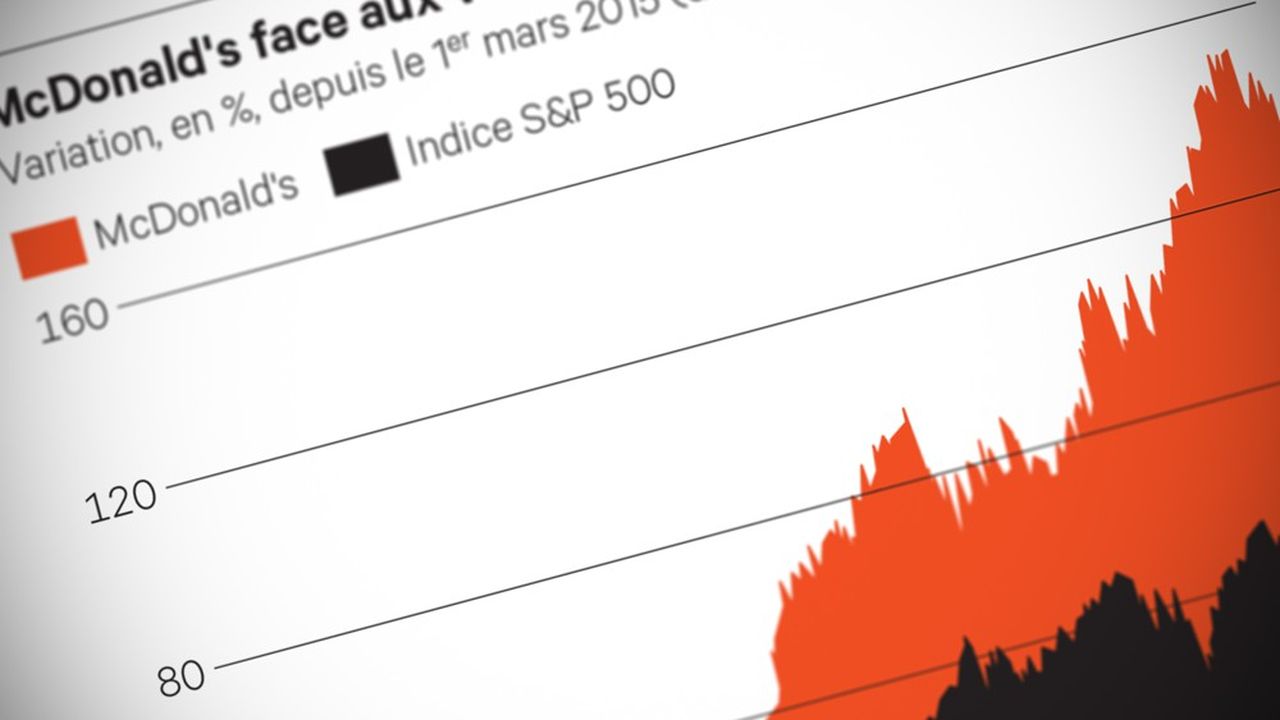
Steve Easterbrook had not proved himself unworthy in terms of the stock market since taking on the role in 2015, compared to other fast food representatives or the general benchmark. And while he hasn’t managed to increase the number of customers in his restaurants or dress up his menus with vegetarian burgers, it’s not sure that his successor, Chris Kempczinski, until now the president of McDonald’s U.S., will have an easier task.
With a resumé in mass consumption as long as his arm (P&G, PepsiCo, Kraft Foods), and his good work in tandem with his outgoing predecessor and mentor, Kempczinksi has what it takes to reassure Wall Street. But in all honesty, reinvigorating the Chicago giant was more than they could take on by themselves.
It’s all very well for commentators to point out that the same romantic affair wouldn’t necessarily have had the same consequences in other countries. But even if Wall Street misses the outgoing boss, they won’t lament his departure, given the legal and reputational risks associated with inappropriate behavior on the other side of the Atlantic. The mistake’s impact on stock market history would have been even worse.
A $4 billion error of judgement—that’s pretty hefty. The bill refers to McDonald’s market capitalization (-2.95%) following the announcement of the CEO’s departure for having had a consensual relationship with an employee. (No further details about the person have been divulged.)
Steve Easterbrook had not proved himself unworthy in terms of the stock market since taking on the role in 2015, compared to other fast food representatives or the general benchmark. And while he hasn’t managed to increase the number of customers in his restaurants or dress up his menus with vegetarian burgers, it’s not sure that his successor, Chris Kempczinski, until now the president of McDonald’s U.S., will have an easier task.
With a resumé in mass consumption as long as his arm (P&G, PepsiCo, Kraft Foods), and his good work in tandem with his outgoing predecessor and mentor, Kempczinksi has what it takes to reassure Wall Street. But in all honesty, reinvigorating the Chicago giant was more than they could take on by themselves.
It’s all very well for commentators to point out that the same romantic affair wouldn’t necessarily have had the same consequences in other countries. But even if Wall Street misses the outgoing boss, they won’t lament his departure, given the legal and reputational risks associated with inappropriate behavior on the other side of the Atlantic. The mistake’s impact on stock market history would have been even worse.
Previous article
Next article