Can the US Become a Paragon of Democratic Politics?
The U.S. has always been regarded as a country that stresses following the law and respecting institutions. This election, however, has revealed its ugly side.
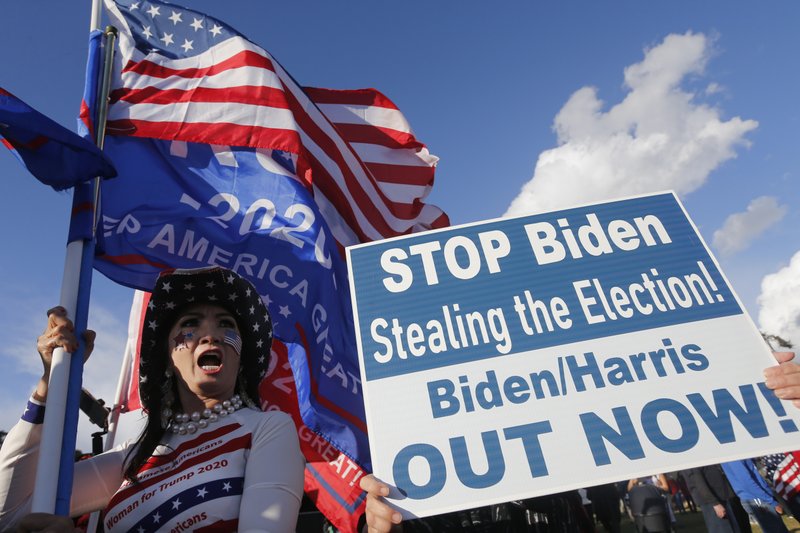
As the votes in Nevada were counted, they established that once Joe Biden received the state’s electoral votes, he would have enough to reach the necessary threshold to be elected. He even expressed his acceptance of this victory. After a few states finish tallying their votes and the Republican candidate, Donald Trump, concedes defeat, the U.S. presidential election will officially end and the Democratic candidate, Biden, will be elected. Due to the COVID-19 pandemic, however, the voting system and methods in this year’s election process were substantially changed, particularly with the heavy use of mail-in and absentee ballots. Ballots have been lost and some were cast after the voting deadline, and mail-in ballot improprieties have changed voting outcomes.* All of this has created many controversies in this election.
If the losing party decides to take legal action, the lengthy litigation will affect the government’s workings, creating civil unrest and even giving opposing groups the opportunity to take advantage of the situation to incite regional conflicts — all of which would be unwelcome to the international community. Even more importantly, if the election is eventually decided through litigation, and not by the will of the majority of the people, the value and meaning of democracy will be lost. The U.S. regards itself as a veteran democratic country that promotes democratic values and systems to others. When its own electoral practices create internal division and their fairness is questioned, how will similar systems affect emerging democratic nations? How can they be a model for others?
Regardless of the candidates’ personalities, the candidate that the people think can best serve them and protect the country’s interests should be chosen as president through a fair and just election. In this election, however, whether it was through arguing during debates or storming off during media interviews, or even through the obvious favoring of a candidate by some mainstream media outlets, the worth of a fair election has been affected. Personal resources and influence were used to protect favored candidates in the media, which reduced the space for rational and neutral speculation. All that remained was race, ideologies and personal preferences, all interwoven in one political game.
Compared with the U.S. presidential election system, the fairness and efficiency of Taiwan’s system and its operation seem to have surpassed that of the U.S. Take voting by mail in the U.S. as an example: Previously, the proportion of mail-in ballots was so small that it wouldn’t influence the voting results. Now, however, because of COVID-19, many people chose to vote by mail. These votes reduced the number of votes for Trump and gave Biden key wins in swing states. In the past, people have hoped that Taiwan would implement absentee voting to allow overseas citizens, businesspeople, military personnel and police officers to vote from abroad or wherever they were stationed. They wanted to use voting by mail to look after the people’s rights and interests. However, if the number of people who apply for absentee voting increases, or if 2 million Taiwanese businesspeople abroad choose absentee voting, the possibility of influence and interference from China is extremely high. It would also become a main channel through which China could interfere in Taiwan’s elections. Taiwan should think twice before implementing absentee voting.
Regarding media and internet propaganda, the leftist nature of the media and its dislike of Trump have called into question media fairness, since news reports obviously favor Biden. Whenever a scandal occurs that might hurt him, the preferences of mainstream media and social media have been obvious. It wasn’t until Trump’s campaign situation began to deteriorate that media standards and choices were revised. In a democratic society, information and its channels are varied and diverse. People have their own media choices and preferences, and everyone respects each other. However, if the media and self-published media use their advantages to try to create one set of images and values, social opposition and division is easily created. The media’s function of monitoring the government will also be called into question, which will be detrimental to the growth of democratic politics.
No matter which candidate eventually becomes the next American president,** in the future, he should endeavor to heal societal divisions and promote unity. The U.S. can be considered a country with a long experience of democracy. However, the flaws exposed in recent presidential elections, such as the unfairness of mail-in voting, the disparity between the popular vote and the electoral vote and the favoring of one party over another by the media, might affect the fairness of elections and make it impossible to elect the best person. The U.S. should address these issues and initiate a reform of the election system so that election results can even better reflect the will of the people and the demands of the country.
*Editor’s Note: The Trump campaign has challenged the voting processes in several states, but to date there has been no legal finding of any wrongdoing or improprieties.
**Note: On Nov. 7, Biden was declared the projected winner of the election.
As the votes in Nevada were counted, they established that once Joe Biden received the state’s electoral votes, he would have enough to reach the necessary threshold to be elected. He even expressed his acceptance of this victory. After a few states finish tallying their votes and the Republican candidate, Donald Trump, concedes defeat, the U.S. presidential election will officially end and the Democratic candidate, Biden, will be elected. Due to the COVID-19 pandemic, however, the voting system and methods in this year’s election process were substantially changed, particularly with the heavy use of mail-in and absentee ballots. Ballots have been lost and some were cast after the voting deadline, and mail-in ballot improprieties have changed voting outcomes.* All of this has created many controversies in this election.
If the losing party decides to take legal action, the lengthy litigation will affect the government’s workings, creating civil unrest and even giving opposing groups the opportunity to take advantage of the situation to incite regional conflicts — all of which would be unwelcome to the international community. Even more importantly, if the election is eventually decided through litigation, and not by the will of the majority of the people, the value and meaning of democracy will be lost. The U.S. regards itself as a veteran democratic country that promotes democratic values and systems to others. When its own electoral practices create internal division and their fairness is questioned, how will similar systems affect emerging democratic nations? How can they be a model for others?
Regardless of the candidates’ personalities, the candidate that the people think can best serve them and protect the country’s interests should be chosen as president through a fair and just election. In this election, however, whether it was through arguing during debates or storming off during media interviews, or even through the obvious favoring of a candidate by some mainstream media outlets, the worth of a fair election has been affected. Personal resources and influence were used to protect favored candidates in the media, which reduced the space for rational and neutral speculation. All that remained was race, ideologies and personal preferences, all interwoven in one political game.
Compared with the U.S. presidential election system, the fairness and efficiency of Taiwan’s system and its operation seem to have surpassed that of the U.S. Take voting by mail in the U.S. as an example: Previously, the proportion of mail-in ballots was so small that it wouldn’t influence the voting results. Now, however, because of COVID-19, many people chose to vote by mail. These votes reduced the number of votes for Trump and gave Biden key wins in swing states. In the past, people have hoped that Taiwan would implement absentee voting to allow overseas citizens, businesspeople, military personnel and police officers to vote from abroad or wherever they were stationed. They wanted to use voting by mail to look after the people’s rights and interests. However, if the number of people who apply for absentee voting increases, or if 2 million Taiwanese businesspeople abroad choose absentee voting, the possibility of influence and interference from China is extremely high. It would also become a main channel through which China could interfere in Taiwan’s elections. Taiwan should think twice before implementing absentee voting.
Regarding media and internet propaganda, the leftist nature of the media and its dislike of Trump have called into question media fairness, since news reports obviously favor Biden. Whenever a scandal occurs that might hurt him, the preferences of mainstream media and social media have been obvious. It wasn’t until Trump’s campaign situation began to deteriorate that media standards and choices were revised. In a democratic society, information and its channels are varied and diverse. People have their own media choices and preferences, and everyone respects each other. However, if the media and self-published media use their advantages to try to create one set of images and values, social opposition and division is easily created. The media’s function of monitoring the government will also be called into question, which will be detrimental to the growth of democratic politics.
No matter which candidate eventually becomes the next American president,** in the future, he should endeavor to heal societal divisions and promote unity. The U.S. can be considered a country with a long experience of democracy. However, the flaws exposed in recent presidential elections, such as the unfairness of mail-in voting, the disparity between the popular vote and the electoral vote and the favoring of one party over another by the media, might affect the fairness of elections and make it impossible to elect the best person. The U.S. should address these issues and initiate a reform of the election system so that election results can even better reflect the will of the people and the demands of the country.
*Editor’s Note: The Trump campaign has challenged the voting processes in several states, but to date there has been no legal finding of any wrongdoing or improprieties.
**Note: On Nov. 7, Biden was declared the projected winner of the election.
Previous article

Next article