

Community of Democracies
Even before he won the election, Joe Biden spoke of the need for an alliance of democratic countries whose aim would be to defend democracy at home and promote it around the world.
It's not about the military, since this is NATO's job, but about resisting the temptations of authoritarianism. In the meantime, we should bear in mind that such an alliance was already established 21 years ago, and the first meeting at the foreign ministry level with about 100 countries was held in Warsaw June 25-27, 2000. As an ambassador to Manila, I took part in a sensitive mission bypassing the president of the Philippines, autocrat Joseph Estrada, while engaging with his deputy.
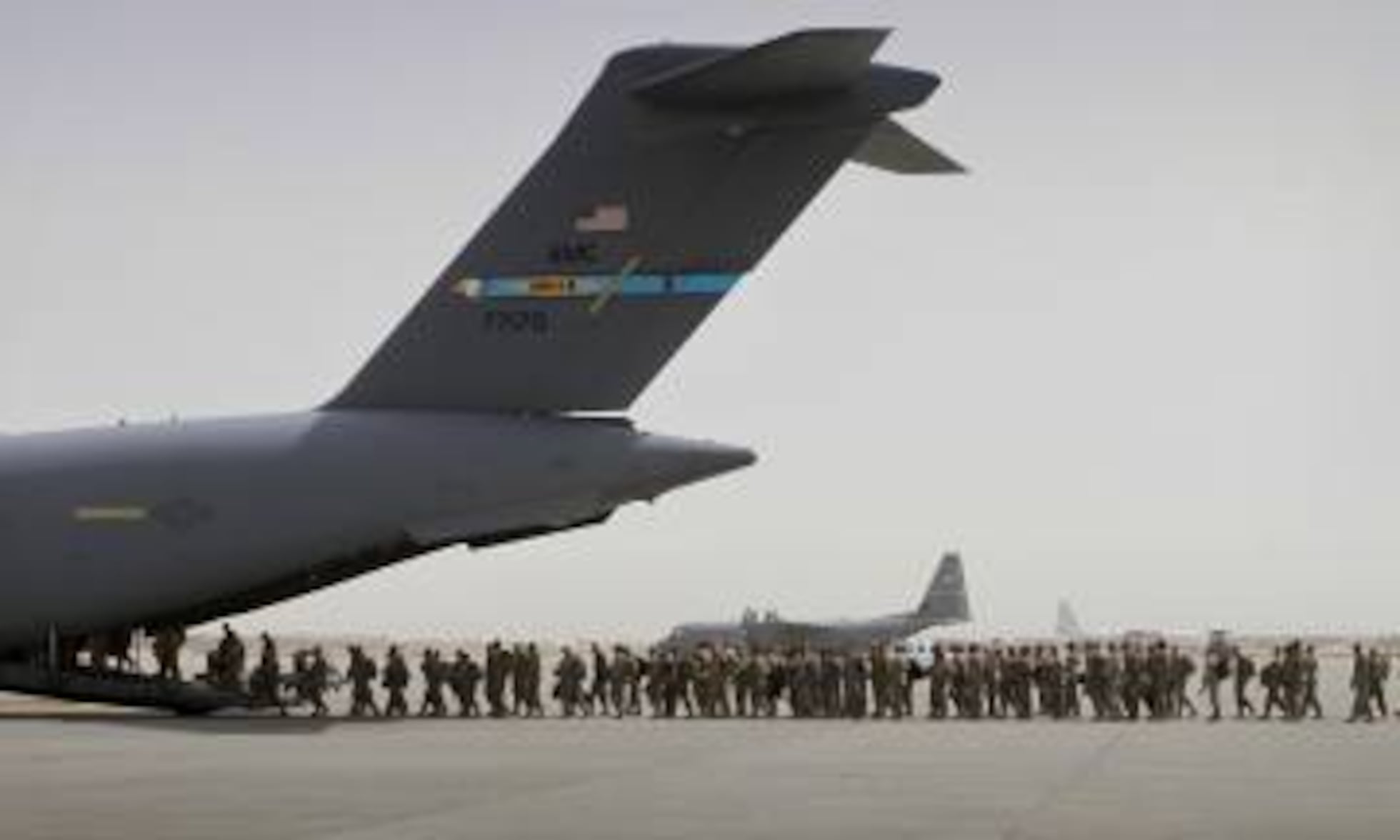
This is where, unfortunately, injustice enters the picture. The initiators of the mission were outgoing President Bill Clinton, Secretary of State Madeleine Albright, and our minister at the time, Bronisław Geremek. But who remembers them today? The Warsaw Declaration was meant to be a signpost toward a democratic world that respects human rights. However, along came President George W. Bush, who believed that democracy could be imposed by military invasion; the hijacked planes that hit the World Trade Center only reinforced his belief. The results, not only for the invaded countries of Afghanistan and Iraq, but also for America itself, we know all too well, for we voluntarily took part in the invasions.
Despite the noise of exploding bombs, the community of democracies continued to hold conferences. It even celebrated its 10th anniversary in Cracow, when the unfortunate Radosław Sikorski served as the Polish foreign minister, but the subject disappearing into yet another U.N. agenda, busy with typical U.N. talk that doesn't lead to anything, was inevitable. Besides, if a community of democratic countries were created today, we certainly would not be admitted to it, so it is better that nobody bothers and that it is yet another opportunity for foreign ministry officials to travel and give talks as mere window dressing for of this renowned group that speaks five languages but has nothing to say.
And yet, this is about one of perhaps the most important things in the world: the future and the survival of Western civilization, whose most important and indispensable core is democracy.
Previous article
Next article