US Supreme Court Sets Gender Equality and Human Rights Back by Overturning Right to Abortion
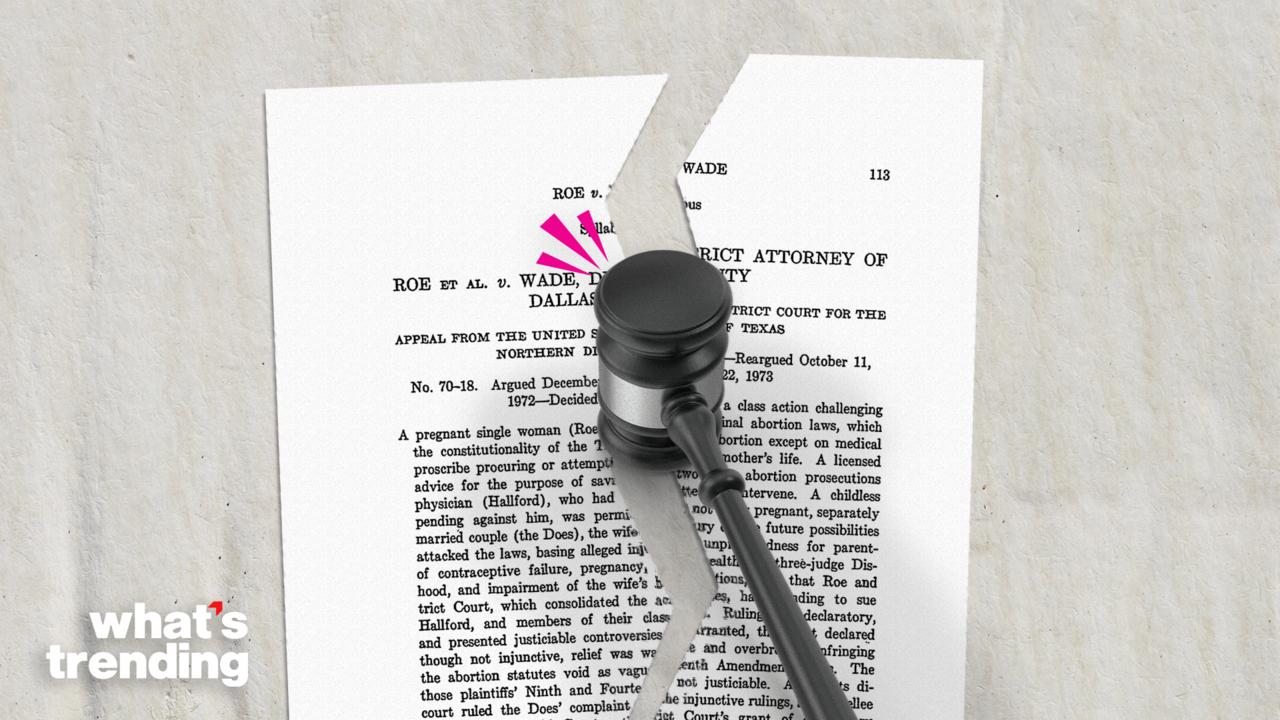
On June 24, the U.S. Supreme Court officially scrapped the Roe v. Wade ruling, which has guaranteed women's right to abortion for the past 49 years. As a result, the right to abortion is no longer protected by the federal government, and the decision to retain or abolish abortion rights has fallen into the hands of state government. This is a regrettable decision because it runs counter to the current trend to expand the human rights of women.
In overturning the law protecting a right to abortion, the Supreme Court reasoned that such a right is not specified anywhere in the Constitution, and it is not a right inherent to American history, tradition or the concept of freedom. In short, the court found there is no constitutional basis for the 1973 Roe v. Wade ruling. However, this interpretation of the Constitution is too narrow and ignores the situation today and the attention to human rights that have changed since the Constitution was adopted.
Above all, it does not recognize the expansion of the right to health. Abortion rights are already considered basic rights. Not only are they not under the authority of the state and Congress to deal with, but it is also unreasonable that abortion regulations for all pregnant women may vary from region to region in the United States. The overturning of the precedent is the result of the Supreme Court’s conservative majority (six to three). In fact, some Supreme Court justices went back on their earlier commitment to uphold the verdict.
Confusion is inevitable, as nearly half of the states in America are set to take steps that will effectively ban abortion. A number of states only recognize life-threatening pregnancies as grounds for termination; incest and rape pregnancies are also subject to abortion prohibitions. This may lead to illegal procedures and expeditionary abortions. It is even more worrisome that the conservative Supreme Court could overturn precedents that protect contraception, same-sex marriage and same-sex relations.
The right to abortion as a basic universal right is part of a trend around the world. Over the past 25 years, abortion has become legal in more than 50 countries. In this context, it's no wonder that the leaders of allied countries, including British Prime Minister Boris Johnson, French President Emmanuel Macron and Canadian Prime Minister Justin Trudeau collectively criticized the Supreme Court decision.
One of the reasons why court overturned precedent is the negligence of the U.S. political community. It has been 49 years since the Roe v. Wade decision, and politicians have failed to enact laws that guarantee abortion rights. The same is true of South Korea. In April 2019, the Korean Constitutional Court ruled against the Constitution on the "abortion crime" clause of the Criminal Act, which criminalized action taken by women and medical personnel involved in terminating a pregnancy, and the government announced a legislative amendment to allow abortion for up to 24 weeks. However, since then, the National Assembly has not implemented any supplementary legislation so women do not receive adequate medical services and care before and after abortion. The situation in the U.S. demonstrates why the Korean National Assembly must act as soon as possible.
In overturning the law protecting a right to abortion, the Supreme Court reasoned that such a right is not specified anywhere in the Constitution, and it is not a right inherent to American history, tradition or the concept of freedom. In short, the court found there is no constitutional basis for the 1973 Roe v. Wade ruling. However, this interpretation of the Constitution is too narrow and ignores the situation today and the attention to human rights that have changed since the Constitution was adopted.
Above all, it does not recognize the expansion of the right to health. Abortion rights are already considered basic rights. Not only are they not under the authority of the state and Congress to deal with, but it is also unreasonable that abortion regulations for all pregnant women may vary from region to region in the United States. The overturning of the precedent is the result of the Supreme Court’s conservative majority (six to three). In fact, some Supreme Court justices went back on their earlier commitment to uphold the verdict.
Confusion is inevitable, as nearly half of the states in America are set to take steps that will effectively ban abortion. A number of states only recognize life-threatening pregnancies as grounds for termination; incest and rape pregnancies are also subject to abortion prohibitions. This may lead to illegal procedures and expeditionary abortions. It is even more worrisome that the conservative Supreme Court could overturn precedents that protect contraception, same-sex marriage and same-sex relations.
The right to abortion as a basic universal right is part of a trend around the world. Over the past 25 years, abortion has become legal in more than 50 countries. In this context, it's no wonder that the leaders of allied countries, including British Prime Minister Boris Johnson, French President Emmanuel Macron and Canadian Prime Minister Justin Trudeau collectively criticized the Supreme Court decision.
One of the reasons why court overturned precedent is the negligence of the U.S. political community. It has been 49 years since the Roe v. Wade decision, and politicians have failed to enact laws that guarantee abortion rights. The same is true of South Korea. In April 2019, the Korean Constitutional Court ruled against the Constitution on the "abortion crime" clause of the Criminal Act, which criminalized action taken by women and medical personnel involved in terminating a pregnancy, and the government announced a legislative amendment to allow abortion for up to 24 weeks. However, since then, the National Assembly has not implemented any supplementary legislation so women do not receive adequate medical services and care before and after abortion. The situation in the U.S. demonstrates why the Korean National Assembly must act as soon as possible.
Previous article
Next article