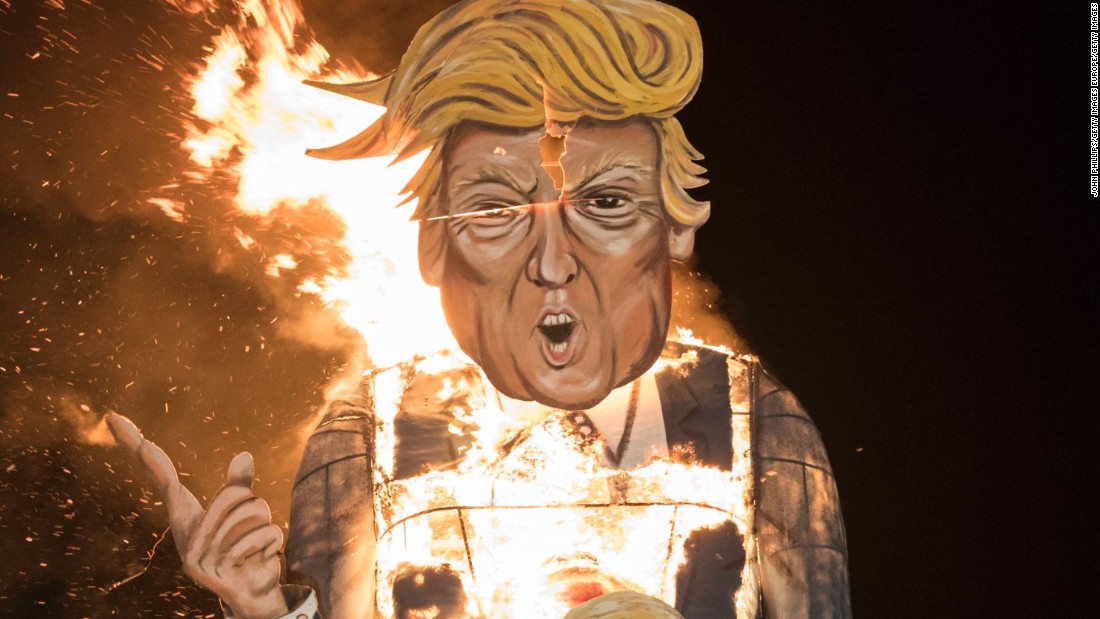
Liberation, Trump Style
Published in Frankfurter Allgemeine Zeitung
(Germany) on 20 March 2025
by Winand von Petersdorff-Campen (link to
original)
It’s virtually impossible to ruin the peppy economy of the United States, but President Donald Trump is giving it the old college try. On April 2, his administration will impose high tariffs on imports from nearly every important trade partner. Trump is calling it “Liberation Day.” It’s not clear who is keeping the country down.
Clearly, however, international trade relations are playing a role, and the scandal is that foreigners have delivered products that Americans want to buy. The dawn of the golden age the president is boasting about is supposed to take place thanks to broad deregulation, tax cuts without regard for the dangerously ballooning national deficit, reduction of international business partnerships, mass deportation of productive workers, and loose fiscal policy. What could go wrong?
Nonetheless, it is the Federal Reserve that is responsible for fiscal policy, and it has not yet bowed to the president’s pressure. It wants to hold interest rates steady for now, for good reason. It’s not clear how Trump’s tariffs will turn out. Will they just cause a one-time bump in prices or actual inflation?
Is it possible that truncating international supply chains produced by the tariffs could damage certain industries so severely that it leads to mass layoffs? One candidate would be the North American auto industry, which is already problematic and, until now, has only been able to produce affordable cars because of a highly efficient division of labor with Mexico and Canada that Trump wants to destroy.
The U.S. economy tends to absorb mass layoffs better than other countries. However, corporations have already been reluctant to hire people for the past six months. The job market is only stable because few people are being fired. It will get really uncomfortable when mass layoffs coincide with inflation. It will be interesting to see whom Trump blames then.
Clearly, however, international trade relations are playing a role, and the scandal is that foreigners have delivered products that Americans want to buy. The dawn of the golden age the president is boasting about is supposed to take place thanks to broad deregulation, tax cuts without regard for the dangerously ballooning national deficit, reduction of international business partnerships, mass deportation of productive workers, and loose fiscal policy. What could go wrong?
Nonetheless, it is the Federal Reserve that is responsible for fiscal policy, and it has not yet bowed to the president’s pressure. It wants to hold interest rates steady for now, for good reason. It’s not clear how Trump’s tariffs will turn out. Will they just cause a one-time bump in prices or actual inflation?
Is it possible that truncating international supply chains produced by the tariffs could damage certain industries so severely that it leads to mass layoffs? One candidate would be the North American auto industry, which is already problematic and, until now, has only been able to produce affordable cars because of a highly efficient division of labor with Mexico and Canada that Trump wants to destroy.
The U.S. economy tends to absorb mass layoffs better than other countries. However, corporations have already been reluctant to hire people for the past six months. The job market is only stable because few people are being fired. It will get really uncomfortable when mass layoffs coincide with inflation. It will be interesting to see whom Trump blames then.
Previous article

Next article