Negotiating a Business Deal without Trust
On July 10, as the deadline for Canada-U.S. trade negotiations quickly approached, the Trump administration sent a letter threatening to impose 35% tariffs as early as Aug. 1. Yet, by abandoning the digital services tax at the end of June, the Carney government appeared to have already made a significant concession. While the trade relationship with the United States is crucial, Canada faces the difficult task of negotiating an agreement with a partner that is no longer trustworthy.
A Surprising Threat
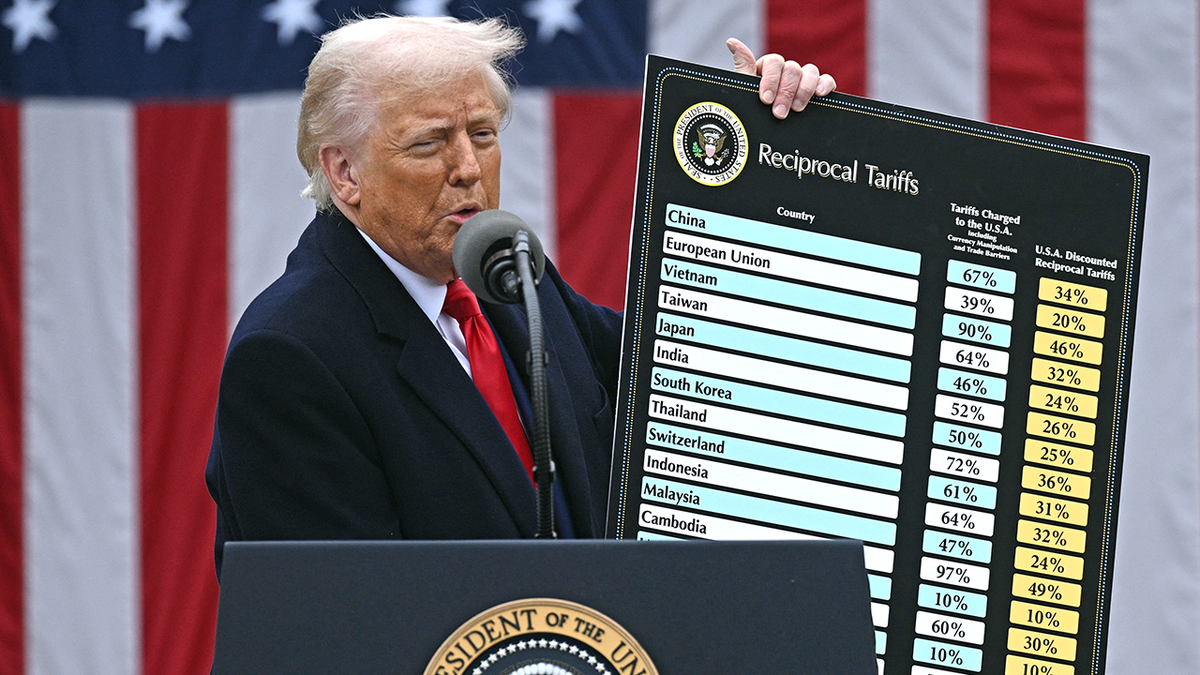
The letter sent by President Donald Trump joins a series of 14 other letters sent to as many countries since July 7, outlining various tariff threats. It may, however, be surprising for two reasons. First, the other letters are directly linked to a U.S. measure from which Canada had been spared. Last April, using a rather harebrained mathematical formula, the Trump administration imposed "reciprocal tariffs" ranging from 11% to 49% on several countries. These tariffs were then suspended for a period of 90 days to allow for several bilateral agreements to be negotiated.
The countries targeted by the new tariff threats scheduled for Aug. 1 therefore appear to be those on which the U.S. wants to put pressure to advance negotiations. Since Canada was not subject to these reciprocal tariffs and negotiations with the United States followed a different deadline, the inclusion of Canada in the same boat as the other countries is somewhat surprising.
Second, the 35% tariffs he is threatening us with are particularly high. Certainly, several elements concerning the threat to Canada will need to be clarified, particularly with regard to the application of these tariffs to goods that comply with the rules of origin according to the United States-Mexico-Canada Agreement. If the U.S. chooses to apply the same exemption that is currently applied to the 25% customs tariffs imposed to combat the entry of fentanyl into the country, it will certainly have less of an impact.
Still, at 35%, the threat is significantly higher than that leveled against Japan and South Korea (both of which were targeted by 25% tariffs). Canada joins countries like Bangladesh (35%), Serbia (35%), Cambodia (36%) and Thailand (36%). Laos and Myanmar face even higher threats (40% each), but these tariffs still represent a reduction from the "reciprocal tariffs" announced last April (48% and 44%, respectively).
Prudence with Concessions
In this context, Canada must be particularly cautious about the concessions it makes to the Trump administration. Only two countries — the United Kingdom and Vietnam — have managed to reach agreements with the U.S., and the benefits of these agreements are limited. For example, to avoid a 25% tariff on automobiles, the U.K. agreed to a 10% tariff on the first 100,000 vehicles imported into the U.S. Beyond this annual quota, the 25% tariff applies again. As for tariffs that might be adopted for national security reasons, the agreement with the U.K. simply allows for future negotiations to take American demands into account.
Furthermore, the tariffs imposed on Canada to combat the entry of fentanyl into the U.S. are based on the International Emergency Economic Powers Act. However, a U.S. court decision invalidated all tariffs imposed under this law last May. This decision is under appeal.
While it is difficult to predict the outcome in this case, Canada should keep in mind that Trump's most recent tariff threat rests on very shaky grounds under U.S. law. Even if a confirmation of the illegality of the tariffs imposed on Canada did not prevent certain tariffs from being adopted for national security reasons (including tariffs on steel and aluminum), overly generous concessions could ultimately prove unnecessary.
Even if a trade agreement is reached by Aug. 1, it’s clear that trade between Canada and the U.S. will not return to the context that prevailed before January 2025. Above all, a trade agreement that requires future negotiations for future tariffs would fail to put an end to the uncertainty that currently characterizes economic relations between Canada and the U.S.
A Surprising Threat
The letter sent by President Donald Trump joins a series of 14 other letters sent to as many countries since July 7, outlining various tariff threats. It may, however, be surprising for two reasons. First, the other letters are directly linked to a U.S. measure from which Canada had been spared. Last April, using a rather harebrained mathematical formula, the Trump administration imposed "reciprocal tariffs" ranging from 11% to 49% on several countries. These tariffs were then suspended for a period of 90 days to allow for several bilateral agreements to be negotiated.
The countries targeted by the new tariff threats scheduled for Aug. 1 therefore appear to be those on which the U.S. wants to put pressure to advance negotiations. Since Canada was not subject to these reciprocal tariffs and negotiations with the United States followed a different deadline, the inclusion of Canada in the same boat as the other countries is somewhat surprising.
Second, the 35% tariffs he is threatening us with are particularly high. Certainly, several elements concerning the threat to Canada will need to be clarified, particularly with regard to the application of these tariffs to goods that comply with the rules of origin according to the United States-Mexico-Canada Agreement. If the U.S. chooses to apply the same exemption that is currently applied to the 25% customs tariffs imposed to combat the entry of fentanyl into the country, it will certainly have less of an impact.
Still, at 35%, the threat is significantly higher than that leveled against Japan and South Korea (both of which were targeted by 25% tariffs). Canada joins countries like Bangladesh (35%), Serbia (35%), Cambodia (36%) and Thailand (36%). Laos and Myanmar face even higher threats (40% each), but these tariffs still represent a reduction from the "reciprocal tariffs" announced last April (48% and 44%, respectively).
Prudence with Concessions
In this context, Canada must be particularly cautious about the concessions it makes to the Trump administration. Only two countries — the United Kingdom and Vietnam — have managed to reach agreements with the U.S., and the benefits of these agreements are limited. For example, to avoid a 25% tariff on automobiles, the U.K. agreed to a 10% tariff on the first 100,000 vehicles imported into the U.S. Beyond this annual quota, the 25% tariff applies again. As for tariffs that might be adopted for national security reasons, the agreement with the U.K. simply allows for future negotiations to take American demands into account.
Furthermore, the tariffs imposed on Canada to combat the entry of fentanyl into the U.S. are based on the International Emergency Economic Powers Act. However, a U.S. court decision invalidated all tariffs imposed under this law last May. This decision is under appeal.
While it is difficult to predict the outcome in this case, Canada should keep in mind that Trump's most recent tariff threat rests on very shaky grounds under U.S. law. Even if a confirmation of the illegality of the tariffs imposed on Canada did not prevent certain tariffs from being adopted for national security reasons (including tariffs on steel and aluminum), overly generous concessions could ultimately prove unnecessary.
Even if a trade agreement is reached by Aug. 1, it’s clear that trade between Canada and the U.S. will not return to the context that prevailed before January 2025. Above all, a trade agreement that requires future negotiations for future tariffs would fail to put an end to the uncertainty that currently characterizes economic relations between Canada and the U.S.
Previous article
Next article