Pure Conflict of Interest
Who will win the competition for Warner Bros. Discovery? Whether Netflix or Paramount wins is a political question, and Trump is in the middle of it.
Oracle founder Larry Ellison isn't one to back down easily. And so, the planned hostile takeover of media group Warner Bros. Discovery by his son David's film and TV company, Paramount Skydance, is no great surprise. After all, this is a big player in the U.S. media market that up to now has still remained independent and committed to commercial success.
But that is no longer expedient in the United States of Donald J. Trump. Larry Ellison, 81 years old and worth $336 billion, has always been a supporter of the Republicans and especially, Trump. As a reward, he and his son, David, are now allowed to build a conservative media empire by the grace of MAGA. In the summer of this year, the merger of traditional film and TV studio Paramount and Ellison's Skydance was finalized, thereby "pacifying" TV network CBS, which has been critical of Trump here and there. Now, with Warner Bros. Discovery, the next domino will fall into Ellison's and Trump's laps.
Last week, it seemed that another completely different big deal in the U.S. media landscape was done and dusted. Original programming streaming company Netflix would acquire Warner Bros. Discovery for $72 million, the companies involved announced.
However, it's not a total takeover: Netflix had no interest in the traditional ad-funded TV business, which includes news network CNN. Instead, it was after the streaming services HBO and Discovery +, which are a perfect fit for Netflix, with their almost 130 million subscribers across the world. Putting that together with Netflix's own subscriber base of 310 million, would make Netflix the undisputed No.1 streaming service on the planet.
Aiming for the Entire Group
The seriousness of Paramount's counteroffer can be seen in the sum bid against Netflix's billions. At $108.4 billion, it is almost 50% higher and, according to U.S. media reports, it should cover the entire U.S. media company, meaning also CNN, the network which has always been a thorn in Trump's side.
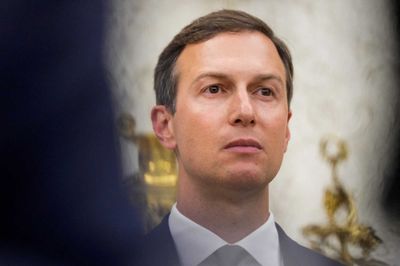
To ensure that nothing goes wrong, the U.S. president’s family is on board. Trump's son-in-law, Jared Kushner, is co-financing the deal through his investment company, Affinity Partners.
From the perspective of Europeans, this is a clear conflict of interest and would have been considered impossible in America until last year. But since Trump became president, it's all different now.
The U.S. administration's dangerous "have-your-cake-and-eat-it" game is evident here: On the one hand, Trump and his buddies insist on compliance with law and order when it suits them. For example, after the announcement of the Netflix deal, which is now stuck in limbo, the president declared a strict antitrust review because of the resulting dominance in the streaming market.
It's All about Monopoly
On the other hand, the son-in-law issue isn't likely to provoke much of a reaction, and the market power resulting from the Paramount deal is also unlikely to concern regulatory authorities, as they are led by Trump supporters.
If the deal goes through, it doesn't bode well for Warner Bros. Discovery and, especially, CNN. As for just how much the Ellisons are willing to accommodate Trump can be seen in the restructuring of CBS, especially with CBS News.
Bari Weiss, who previously agitated mainstream media and allegedly woke journalists on her Substack, The Free Press, is now running the show. For the new owners and financiers, the commitment is also financially rewarding because it's effectively leading to a monopolization or at least an oligopolization of the American media landscape.
Smaller companies are being left behind, and many are looking the other way with willful ignorance. They bury their heads in the sand and hope the wave will pass them by. "If The New York Times goes under now, then it will be the end of free media in the U.S.,”* as a representative of the U.S. industry association recently put it; but just to be safe, she's already refraining from being quoted by name.
But there is some hope here. Trump may dislike The New York Times about as much as he dislikes CNN, and recently sued them for a mere $15 billion because he dislikes the book "Lucky Loser: How Donald Trump Squandered His Father's Fortune and Created the Illusion of Success,” written by New York Times journalists.
But that didn't stop The New York Times from suing the Trump administration last week over the new rules for Pentagon reporters, which amounts to pre-censorship.
*Editor's note: This quote, accurately translated, could not be independently sourced.
Oracle founder Larry Ellison isn't one to back down easily. And so, the planned hostile takeover of media group Warner Bros. Discovery by his son David's film and TV company, Paramount Skydance, is no great surprise. After all, this is a big player in the U.S. media market that up to now has still remained independent and committed to commercial success.
But that is no longer expedient in the United States of Donald J. Trump. Larry Ellison, 81 years old and worth $336 billion, has always been a supporter of the Republicans and especially, Trump. As a reward, he and his son, David, are now allowed to build a conservative media empire by the grace of MAGA. In the summer of this year, the merger of traditional film and TV studio Paramount and Ellison's Skydance was finalized, thereby "pacifying" TV network CBS, which has been critical of Trump here and there. Now, with Warner Bros. Discovery, the next domino will fall into Ellison's and Trump's laps.
Last week, it seemed that another completely different big deal in the U.S. media landscape was done and dusted. Original programming streaming company Netflix would acquire Warner Bros. Discovery for $72 million, the companies involved announced.
However, it's not a total takeover: Netflix had no interest in the traditional ad-funded TV business, which includes news network CNN. Instead, it was after the streaming services HBO and Discovery +, which are a perfect fit for Netflix, with their almost 130 million subscribers across the world. Putting that together with Netflix's own subscriber base of 310 million, would make Netflix the undisputed No.1 streaming service on the planet.
Aiming for the Entire Group
The seriousness of Paramount's counteroffer can be seen in the sum bid against Netflix's billions. At $108.4 billion, it is almost 50% higher and, according to U.S. media reports, it should cover the entire U.S. media company, meaning also CNN, the network which has always been a thorn in Trump's side.
To ensure that nothing goes wrong, the U.S. president’s family is on board. Trump's son-in-law, Jared Kushner, is co-financing the deal through his investment company, Affinity Partners.
From the perspective of Europeans, this is a clear conflict of interest and would have been considered impossible in America until last year. But since Trump became president, it's all different now.
The U.S. administration's dangerous "have-your-cake-and-eat-it" game is evident here: On the one hand, Trump and his buddies insist on compliance with law and order when it suits them. For example, after the announcement of the Netflix deal, which is now stuck in limbo, the president declared a strict antitrust review because of the resulting dominance in the streaming market.
It's All about Monopoly
On the other hand, the son-in-law issue isn't likely to provoke much of a reaction, and the market power resulting from the Paramount deal is also unlikely to concern regulatory authorities, as they are led by Trump supporters.
If the deal goes through, it doesn't bode well for Warner Bros. Discovery and, especially, CNN. As for just how much the Ellisons are willing to accommodate Trump can be seen in the restructuring of CBS, especially with CBS News.
Bari Weiss, who previously agitated mainstream media and allegedly woke journalists on her Substack, The Free Press, is now running the show. For the new owners and financiers, the commitment is also financially rewarding because it's effectively leading to a monopolization or at least an oligopolization of the American media landscape.
Smaller companies are being left behind, and many are looking the other way with willful ignorance. They bury their heads in the sand and hope the wave will pass them by. "If The New York Times goes under now, then it will be the end of free media in the U.S.,”* as a representative of the U.S. industry association recently put it; but just to be safe, she's already refraining from being quoted by name.
But there is some hope here. Trump may dislike The New York Times about as much as he dislikes CNN, and recently sued them for a mere $15 billion because he dislikes the book "Lucky Loser: How Donald Trump Squandered His Father's Fortune and Created the Illusion of Success,” written by New York Times journalists.
But that didn't stop The New York Times from suing the Trump administration last week over the new rules for Pentagon reporters, which amounts to pre-censorship.
*Editor's note: This quote, accurately translated, could not be independently sourced.
Previous article
Next article