Attack on Venezuela: An Outrage That Tramples on Legal Order
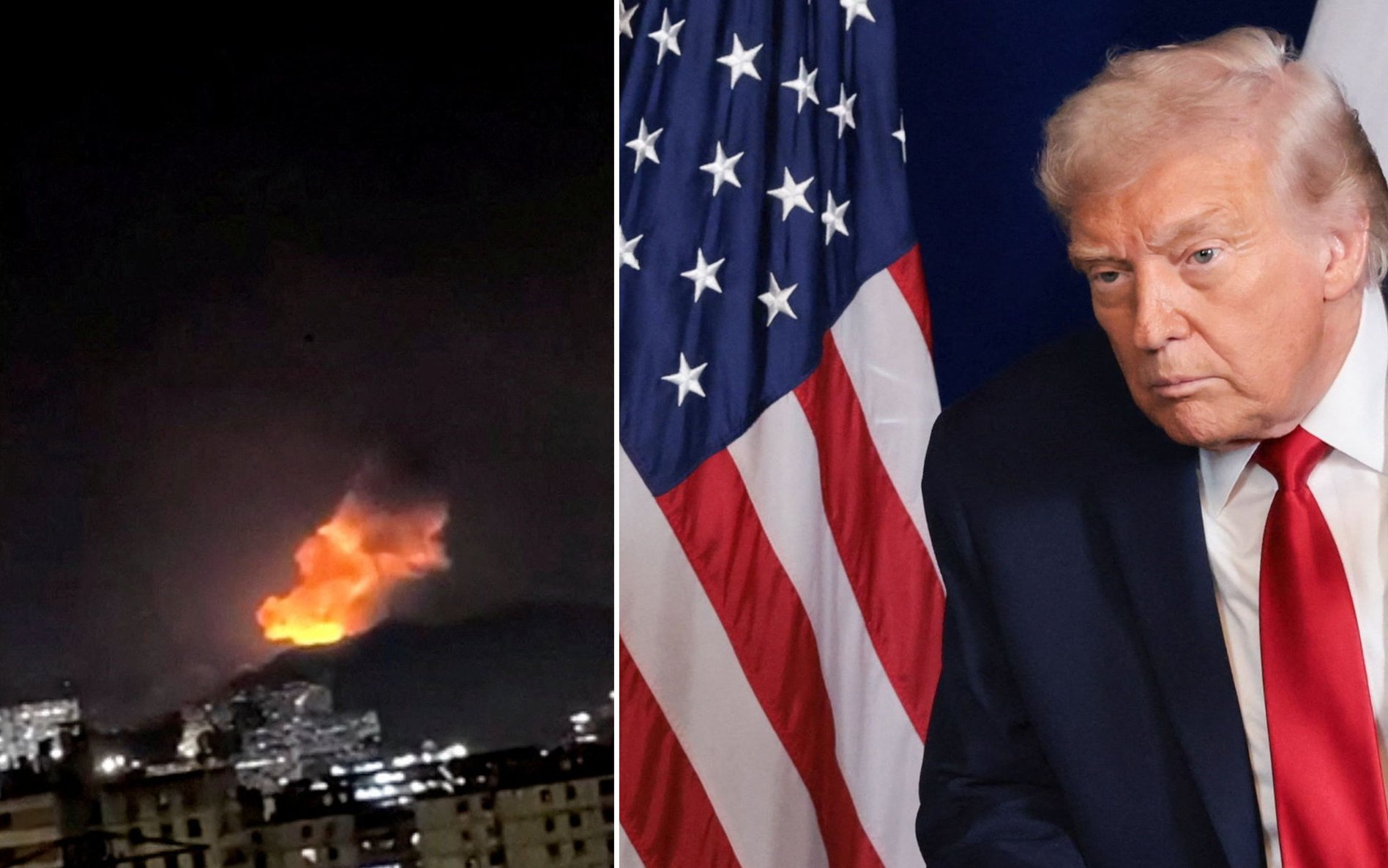
U.S. President Donald Trump's administration carried out a military strike against the South American country of Venezuela, arresting leftist anti-American President Nicolas Maduro and his wife, and transferring them to the U.S.
The action happened under the stance that, in 2020, the first Trump administration charged the Maduros with the crime of “narco-terrorism” but the U.S. military strike, which also involved civilians, cannot by any means be said to be part of a police action.
Along with declaring that the U.S. would “run” Venezuela, Trump also implied that the U.S. would intervene in other antagonistic Central and South American nations, such as Colombia and Mexico. The military attacks are a clear violation of the U.N. Charter's prohibition against “use of force against the territorial integrity or political independence of any state,” and U.N. Secretary General Antonio Guterres asserted that “rules of international law have not been respected.”
Maduro intensified the antagonism with the U.S. and Europe stemming from his human rights violations against his own countrymen. Last year, Maria Machado, the opposition leader against Maduro, was awarded the Nobel Peace Prize.
Nevertheless, there can be no justification for arbitrarily attacking a sovereign nation and capturing a leader.
As it relates to the U.S., there are prior cases of judgments under U.S. law against crimes committed by foreigners in foreign countries, if the crimes are against the U.S.
In 1989 as well, the administration of former President George H.W. Bush invaded Panama and arrested General Manuel Noriega. Though there is a precedent of handing down convictions in the U.S., even at that time, the U.N. General Assembly adopted a resolution condemning the action, and the U.S. was vehemently criticized.
Trump also alluded to seizing Venezuela's oil interests, and this predatory behavior, under the guise of administering justice, only knocks the U.S.' dignity to the ground.
The wickedness of Trump's attack on Venezuela is that it gives an authoritarian nation that makes light of the rule of law, an extremely dangerous excuse.
If one goes along with Trump's reasoning, Russia, which continues its invasion of Ukraine, could justifiably arrest Ukrainian President Volodymyr Zelenskyy and take control of Ukraine. This logic would also give China, which has an eye on consolidating Taiwan, a motive for military actions and arrest of leadership.
In 2003, President George W. Bush's administration started the Iraq War, toppling Iraqi President Saddam Hussein's regime, but its policy of military occupation dragged it into a quagmire, inviting the rise of radical organizations, endangering not just Americans, but people all over the world.
The lesson from history is that irresponsible military interventions against other nations further destabilize the world, and expose people to fear. The international community must not permit a regression to an era of turmoil in which violence and interests trample the law underfoot.
The action happened under the stance that, in 2020, the first Trump administration charged the Maduros with the crime of “narco-terrorism” but the U.S. military strike, which also involved civilians, cannot by any means be said to be part of a police action.
Along with declaring that the U.S. would “run” Venezuela, Trump also implied that the U.S. would intervene in other antagonistic Central and South American nations, such as Colombia and Mexico. The military attacks are a clear violation of the U.N. Charter's prohibition against “use of force against the territorial integrity or political independence of any state,” and U.N. Secretary General Antonio Guterres asserted that “rules of international law have not been respected.”
Maduro intensified the antagonism with the U.S. and Europe stemming from his human rights violations against his own countrymen. Last year, Maria Machado, the opposition leader against Maduro, was awarded the Nobel Peace Prize.
Nevertheless, there can be no justification for arbitrarily attacking a sovereign nation and capturing a leader.
As it relates to the U.S., there are prior cases of judgments under U.S. law against crimes committed by foreigners in foreign countries, if the crimes are against the U.S.
In 1989 as well, the administration of former President George H.W. Bush invaded Panama and arrested General Manuel Noriega. Though there is a precedent of handing down convictions in the U.S., even at that time, the U.N. General Assembly adopted a resolution condemning the action, and the U.S. was vehemently criticized.
Trump also alluded to seizing Venezuela's oil interests, and this predatory behavior, under the guise of administering justice, only knocks the U.S.' dignity to the ground.
The wickedness of Trump's attack on Venezuela is that it gives an authoritarian nation that makes light of the rule of law, an extremely dangerous excuse.
If one goes along with Trump's reasoning, Russia, which continues its invasion of Ukraine, could justifiably arrest Ukrainian President Volodymyr Zelenskyy and take control of Ukraine. This logic would also give China, which has an eye on consolidating Taiwan, a motive for military actions and arrest of leadership.
In 2003, President George W. Bush's administration started the Iraq War, toppling Iraqi President Saddam Hussein's regime, but its policy of military occupation dragged it into a quagmire, inviting the rise of radical organizations, endangering not just Americans, but people all over the world.
The lesson from history is that irresponsible military interventions against other nations further destabilize the world, and expose people to fear. The international community must not permit a regression to an era of turmoil in which violence and interests trample the law underfoot.
Previous article

Next article