War Drums from Iran to Minneapolis!
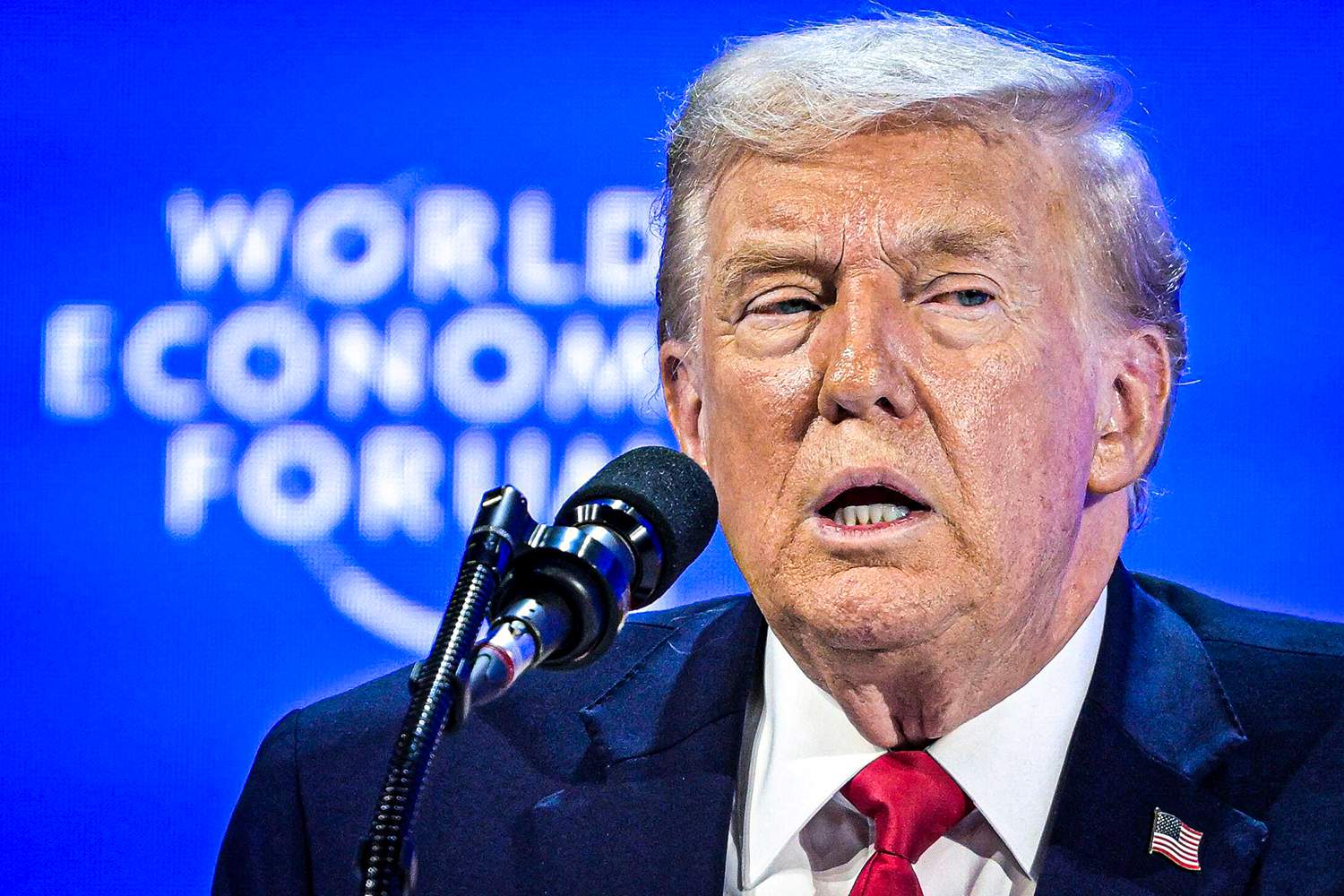
As the drums of a potential U.S. war on Iran are beating, Donald Trump is trying to defuse another domestic war flaring up against him in Minneapolis, Minnesota. The U.S. president and his senior aides are making hostile remarks about Iran and threatening to crush its regime.
In Minneapolis, they insisted on using federal border agents to arrest immigrants despite the killing of two white Americans, prompting state officials to demand the withdrawal of these agents and give local police a chance to handle the explosive situation. Public outrage in the U.S. forced Trump to retreat, reduce the presence of border agents and attempt to reach a compromise. Meanwhile, tension is escalating with Iran amid Israeli pressure to launch a strike that would eliminate the Iranian regime.
In recent weeks, Trump has disregarded politics in his handling of the Minneapolis crisis. Renee Good, who was killed by Immigration and Customs Enforcement forces on Jan. 7 for protesting ICE treatment of immigrants, was labeled by the Trump administration as a "domestic terrorist" — a claim that has been proven false. Good was a poet and a writer, not an immigrant, but a white woman with a spotless record. Nevertheless, the Trump administration has refused to investigate her killing.
Then came the killing of a second white American, Alex Pretti, last Saturday, reigniting public protests after the administration repeated the same lies about Pretti it told about Good. Faced with this, Trump was forced to back down for the first time. He admitted mistakes were made and sent a senior official to negotiate with Minneapolis leaders. Trump then began reducing the number of troops. This conciliatory tone and offer to compromise came only after Trump saw the situation slipping from his administration's control.
The situation with Iran is different. The escalation has continued, as an aircraft carrier, missile destroyers and fighter jets have been dispatched to the region. Senior U.S. military leaders discussed the scope of a potential strike and Israel’s role in it with their Israeli counterparts. During the public protests against the Iranian regime, Trump threatened to deliver a devastating blow to Iran if anyone was killed. The Iranian Supreme Leader spoke of thousands killed, accusing the U.S. of fueling the situation. But Trump said Tehran halted hundreds of executions, suggesting that Iran had yielded to his threat, and thus, no American attack would follow. The intensity of protests in Iranian cities subsided. Yet, suddenly, American and Israeli talk of an imminent strike on Iran has resurfaced.
Trump found that his kidnapping of Venezuela's president and seizure of oil drew no significant global reaction. He became emboldened to interfere in other nations' affairs and insisted on seizing Denmark's island of Greenland. And now, he is preparing to strike Iran. Domestic public anger within the U.S. forced him to bow to the storm and seek reconciliation with the state of Minnesota. He fears that these events could threaten his Republican Party's chances in the upcoming November midterm elections.
Iran is another matter. Trump pays no attention to international reaction. He will not deploy ground troops that could suffer casualties. The strikes would be airborne, aimed at specific targets, which could include the Supreme Leader. In fact, striking Iran might even boost his popularity and divert attention from what is happening in Minneapolis. The consequences to Trump and on his decisions after the killing of two Americans are far more important than striking a country of 93 million people.
In Minneapolis, they insisted on using federal border agents to arrest immigrants despite the killing of two white Americans, prompting state officials to demand the withdrawal of these agents and give local police a chance to handle the explosive situation. Public outrage in the U.S. forced Trump to retreat, reduce the presence of border agents and attempt to reach a compromise. Meanwhile, tension is escalating with Iran amid Israeli pressure to launch a strike that would eliminate the Iranian regime.
In recent weeks, Trump has disregarded politics in his handling of the Minneapolis crisis. Renee Good, who was killed by Immigration and Customs Enforcement forces on Jan. 7 for protesting ICE treatment of immigrants, was labeled by the Trump administration as a "domestic terrorist" — a claim that has been proven false. Good was a poet and a writer, not an immigrant, but a white woman with a spotless record. Nevertheless, the Trump administration has refused to investigate her killing.
Then came the killing of a second white American, Alex Pretti, last Saturday, reigniting public protests after the administration repeated the same lies about Pretti it told about Good. Faced with this, Trump was forced to back down for the first time. He admitted mistakes were made and sent a senior official to negotiate with Minneapolis leaders. Trump then began reducing the number of troops. This conciliatory tone and offer to compromise came only after Trump saw the situation slipping from his administration's control.
The situation with Iran is different. The escalation has continued, as an aircraft carrier, missile destroyers and fighter jets have been dispatched to the region. Senior U.S. military leaders discussed the scope of a potential strike and Israel’s role in it with their Israeli counterparts. During the public protests against the Iranian regime, Trump threatened to deliver a devastating blow to Iran if anyone was killed. The Iranian Supreme Leader spoke of thousands killed, accusing the U.S. of fueling the situation. But Trump said Tehran halted hundreds of executions, suggesting that Iran had yielded to his threat, and thus, no American attack would follow. The intensity of protests in Iranian cities subsided. Yet, suddenly, American and Israeli talk of an imminent strike on Iran has resurfaced.
Trump found that his kidnapping of Venezuela's president and seizure of oil drew no significant global reaction. He became emboldened to interfere in other nations' affairs and insisted on seizing Denmark's island of Greenland. And now, he is preparing to strike Iran. Domestic public anger within the U.S. forced him to bow to the storm and seek reconciliation with the state of Minnesota. He fears that these events could threaten his Republican Party's chances in the upcoming November midterm elections.
Iran is another matter. Trump pays no attention to international reaction. He will not deploy ground troops that could suffer casualties. The strikes would be airborne, aimed at specific targets, which could include the Supreme Leader. In fact, striking Iran might even boost his popularity and divert attention from what is happening in Minneapolis. The consequences to Trump and on his decisions after the killing of two Americans are far more important than striking a country of 93 million people.
Previous article
Next article