
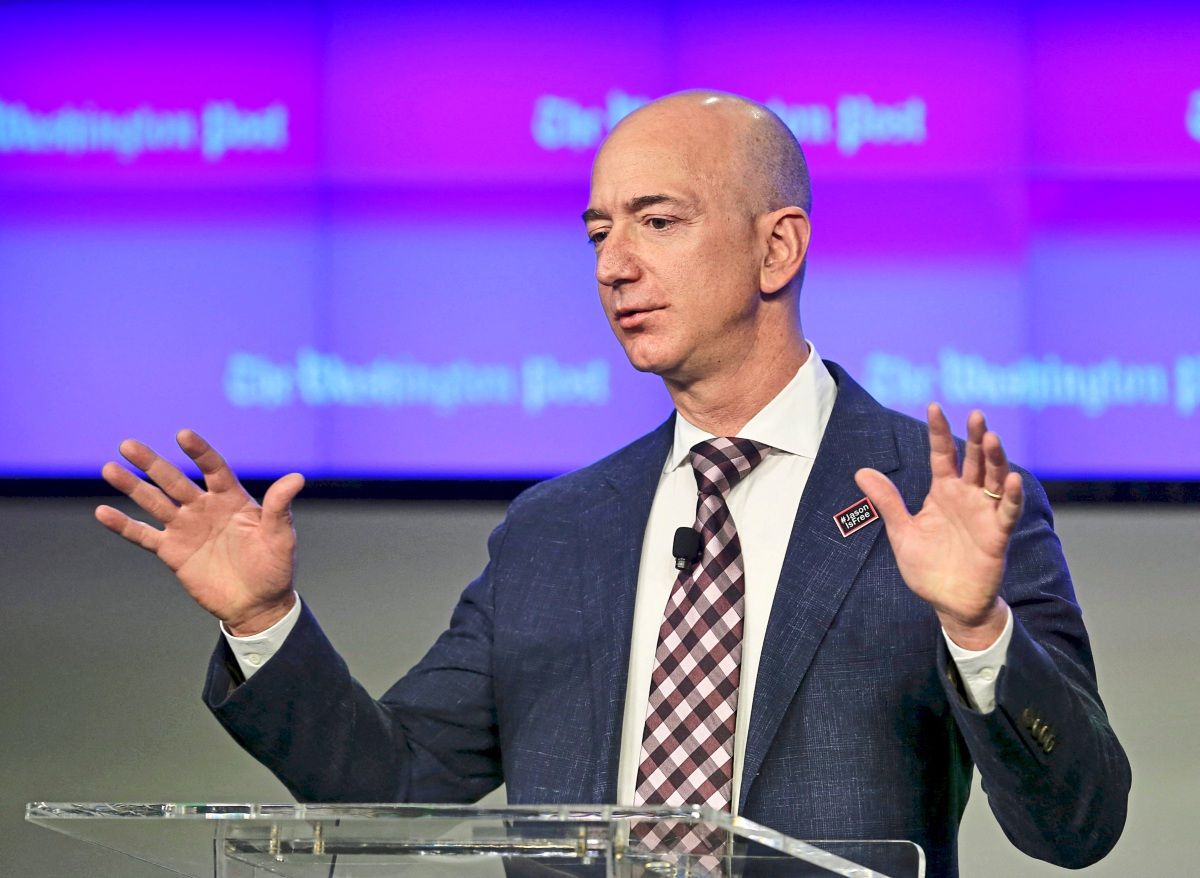
Jeff Bezos Is Not Solely To Blame for The Washington Post’s Decline
Amazon’s founder has made numerous mistakes, but the once proud U.S. newspaper has been hit hard by the media crisis and is now overshadowed by The New York Times.
For anyone who can’t forgive multibillionaire Jeff Bezos for his transformation from a staunch Democrat to a Donald Trump groupie, the crisis at The Washington Post is easily explained: After Bezos bought the venerable U.S. newspaper in 2013 and, following Trump’s first election victory portraying himself as democracy’s shining savior, Bezos has now changed political camps. He has aligned himself with Trump and the Make America Great Again movement, forced The Washington Post to shift to the right and is effectively starving it of resources, while his Amazon corporation is generating public relations for first lady Melania Trump with an unbearable and outrageously expensive documentary.
Amazon’s reputation for harsh working conditions and monopolistic business practices, combined with Bezos’ ostentatious display of wealth with his new wife following his divorce from MacKenzie Scott, fits the image of someone who has betrayed a noble cause.
Much of this story is true. Moreover, a series of ill‑advised executive appointments has further weakened the company in an already challenging period. Bezos could afford to keep absorbing The Washington Post’s accumulated losses.
But even that wouldn’t solve the core problem facing the once proud newspaper. In a media landscape reshaped by the internet and social media, its business model has fallen apart — a fate shared by many other daily newspapers. Even in its heyday, the Post played second fiddle to the larger New York Times, and, in the digital market, the Post faces even stiffer competition from it.
A Lack of Resources
Back during Trump’s first administration, when Marty Baron was in charge, the Post remained a haven of intelligent resistance against the regime of stupidity; however, under Joe Biden, that mission evaporated and its reader numbers plummeted. Those who want to stay informed about politics and read thoughtful commentary are unlikely to need two left‑leaning online dailies. The Times established a kind of platform monopoly in this market — and on a global scale. The Post has simply never had the resources to do that.
Bezos’ attempt to shift the newspaper’s commentary toward the political center has further exacerbated the problem. There is still a political market for moderate views in the U.S., but they’re losing ground in the media. And interest in regional reporting — long one of the Post’s strengths — has dropped markedly in all major U.S. cities, with sports reporting showing a similar decline.
Credibility Is on the Line
Annual losses of up to $100 million are not sustainable and necessitate radical cuts. Whether the current strategy — closing the sports and regional desks and downsizing with a still extensive network of correspondents — is the right one is debatable. Much of what Bezos has done and continues to do seems impulsive and ill-considered. His fear that the Trump administration might retaliate against Amazon is undermining his newspaper’s independence and credibility. It would therefore make far more sense for him to sell the Post.
But even a new owner, however generous, would be unable to avoid making cuts to the editorial staff, and even that wouldn’t guarantee the Post’s survival. Should the newspaper ever fold, Bezos would be to blame. But he wouldn’t be the only one.
For anyone who can’t forgive multibillionaire Jeff Bezos for his transformation from a staunch Democrat to a Donald Trump groupie, the crisis at The Washington Post is easily explained: After Bezos bought the venerable U.S. newspaper in 2013 and, following Trump’s first election victory portraying himself as democracy’s shining savior, Bezos has now changed political camps. He has aligned himself with Trump and the Make America Great Again movement, forced The Washington Post to shift to the right and is effectively starving it of resources, while his Amazon corporation is generating public relations for first lady Melania Trump with an unbearable and outrageously expensive documentary.
Amazon’s reputation for harsh working conditions and monopolistic business practices, combined with Bezos’ ostentatious display of wealth with his new wife following his divorce from MacKenzie Scott, fits the image of someone who has betrayed a noble cause.
Much of this story is true. Moreover, a series of ill‑advised executive appointments has further weakened the company in an already challenging period. Bezos could afford to keep absorbing The Washington Post’s accumulated losses.
But even that wouldn’t solve the core problem facing the once proud newspaper. In a media landscape reshaped by the internet and social media, its business model has fallen apart — a fate shared by many other daily newspapers. Even in its heyday, the Post played second fiddle to the larger New York Times, and, in the digital market, the Post faces even stiffer competition from it.
A Lack of Resources
Back during Trump’s first administration, when Marty Baron was in charge, the Post remained a haven of intelligent resistance against the regime of stupidity; however, under Joe Biden, that mission evaporated and its reader numbers plummeted. Those who want to stay informed about politics and read thoughtful commentary are unlikely to need two left‑leaning online dailies. The Times established a kind of platform monopoly in this market — and on a global scale. The Post has simply never had the resources to do that.
Bezos’ attempt to shift the newspaper’s commentary toward the political center has further exacerbated the problem. There is still a political market for moderate views in the U.S., but they’re losing ground in the media. And interest in regional reporting — long one of the Post’s strengths — has dropped markedly in all major U.S. cities, with sports reporting showing a similar decline.
Credibility Is on the Line
Annual losses of up to $100 million are not sustainable and necessitate radical cuts. Whether the current strategy — closing the sports and regional desks and downsizing with a still extensive network of correspondents — is the right one is debatable. Much of what Bezos has done and continues to do seems impulsive and ill-considered. His fear that the Trump administration might retaliate against Amazon is undermining his newspaper’s independence and credibility. It would therefore make far more sense for him to sell the Post.
But even a new owner, however generous, would be unable to avoid making cuts to the editorial staff, and even that wouldn’t guarantee the Post’s survival. Should the newspaper ever fold, Bezos would be to blame. But he wouldn’t be the only one.
Previous article

Next article