From Marco Rubio to Maduro
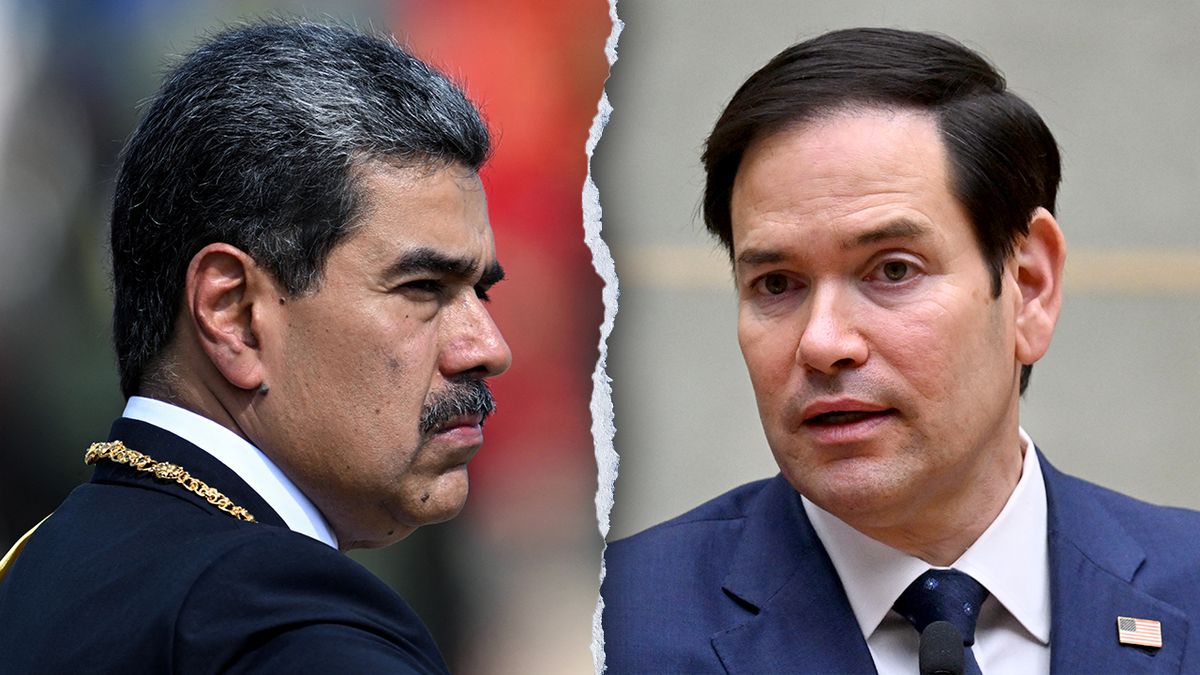
On July 27, 2025, United States Secretary of State Marco Rubio declared unambiguously: "Maduro is NOT the president of Venezuela and his regime is NOT the legitimate government. Maduro is the head of the Soles Cartel, a narco-terrorist organization that has taken over a country, and he is under indictment for introducing drugs into the United States."
Thus, Rubio sees Nicolás Maduro as equal on a criminal scale with figures such as Joaquín "El Chapo" Guzmán or Pablo Escobar. But even more significant is the tacit comparison with Manuel Noriega, former dictator of Panama, who was also accused of drug trafficking and finally captured after a direct military intervention.
Faced with this recent explosive statement by none other than the U.S. secretary of state, the question that comes to mind is this: Will they be using the "carrot and the stick” strategy?
As far as we can see, Rubio is employing a strategy used before by the United States: the "carrot and the stick,” which consists of offering diplomatic incentives (the "carrot") while maintaining or intensifying pressures (the "stick"). This approach was used with Noriega during the 1980s; Washington tolerated his role as a geopolitical ally until it became unsustainable because of his links to drug trafficking.
That strategy ended in Dec. 1989 with a military invasion of Panama ("Operation Just Cause"), resulting in Noriega’s arrest and extradition to the U.S., where he was tried for drug trafficking and money laundering.
Is Maduro walking the same path as former dictator Noriega? Rubio's statement should not be taken lightly. It is preceded by concrete events: the exchange of prisoners between Caracas and Washington, the return of more than 250 Venezuelan deportees from the U.S. via El Salvador (they were in the Terrorism Confinement Center) and the reactivation of Chevron operations in Venezuela. All these measures are seen as part of that ambiguous strategy that punishes with sanctions, but also offers economic oxygen.
For the regime, this represents a propaganda victory: Its opponents are continuing negotiations with an accused drug trafficker who has also been investigated in the International Criminal Court for crimes against humanity.
After the July 28, 2024 election, widely denounced as fraudulent, Maduro remains in power, thanks to institutional, military and repressive control. For many Venezuelans, inside and outside the country, this new development only reinforces the idea that the regime is entrenched and that there is no way out.
However, as in the Noriega case, history shows that geopolitical alliances and concessions have limits. Once those limits are crossed, for example when drug trafficking can no longer be covered up, the U.S. can opt for drastic measures.
What's Next?
International pressure and the role of the U.S. are key. It is not only a conflict between the regime and its opposition within Venezuela; the issue in question is whether the man accused by the U.S. of leading a narco-terrorist cartel can continue to act with impunity as a head of state.
Rubio has put the subject on the table. The question now is whether there will simply be more "carrot and stick" — or whether something will happen that is more reminiscent of Panama in 1989.
Thus, Rubio sees Nicolás Maduro as equal on a criminal scale with figures such as Joaquín "El Chapo" Guzmán or Pablo Escobar. But even more significant is the tacit comparison with Manuel Noriega, former dictator of Panama, who was also accused of drug trafficking and finally captured after a direct military intervention.
Faced with this recent explosive statement by none other than the U.S. secretary of state, the question that comes to mind is this: Will they be using the "carrot and the stick” strategy?
As far as we can see, Rubio is employing a strategy used before by the United States: the "carrot and the stick,” which consists of offering diplomatic incentives (the "carrot") while maintaining or intensifying pressures (the "stick"). This approach was used with Noriega during the 1980s; Washington tolerated his role as a geopolitical ally until it became unsustainable because of his links to drug trafficking.
That strategy ended in Dec. 1989 with a military invasion of Panama ("Operation Just Cause"), resulting in Noriega’s arrest and extradition to the U.S., where he was tried for drug trafficking and money laundering.
Is Maduro walking the same path as former dictator Noriega? Rubio's statement should not be taken lightly. It is preceded by concrete events: the exchange of prisoners between Caracas and Washington, the return of more than 250 Venezuelan deportees from the U.S. via El Salvador (they were in the Terrorism Confinement Center) and the reactivation of Chevron operations in Venezuela. All these measures are seen as part of that ambiguous strategy that punishes with sanctions, but also offers economic oxygen.
For the regime, this represents a propaganda victory: Its opponents are continuing negotiations with an accused drug trafficker who has also been investigated in the International Criminal Court for crimes against humanity.
After the July 28, 2024 election, widely denounced as fraudulent, Maduro remains in power, thanks to institutional, military and repressive control. For many Venezuelans, inside and outside the country, this new development only reinforces the idea that the regime is entrenched and that there is no way out.
However, as in the Noriega case, history shows that geopolitical alliances and concessions have limits. Once those limits are crossed, for example when drug trafficking can no longer be covered up, the U.S. can opt for drastic measures.
What's Next?
International pressure and the role of the U.S. are key. It is not only a conflict between the regime and its opposition within Venezuela; the issue in question is whether the man accused by the U.S. of leading a narco-terrorist cartel can continue to act with impunity as a head of state.
Rubio has put the subject on the table. The question now is whether there will simply be more "carrot and stick" — or whether something will happen that is more reminiscent of Panama in 1989.
Previous article
Next article