
Can Donald Trump Really Pull the US out of NATO?*
For the United States, pulling out of the North Atlantic Treaty Organization — an alliance that the U.S. itself founded and of which it is formally the "host"— would not be easy, neither for political nor purely legal reasons. What would the process look like if Donald Trump really decided to withdraw America from NATO?
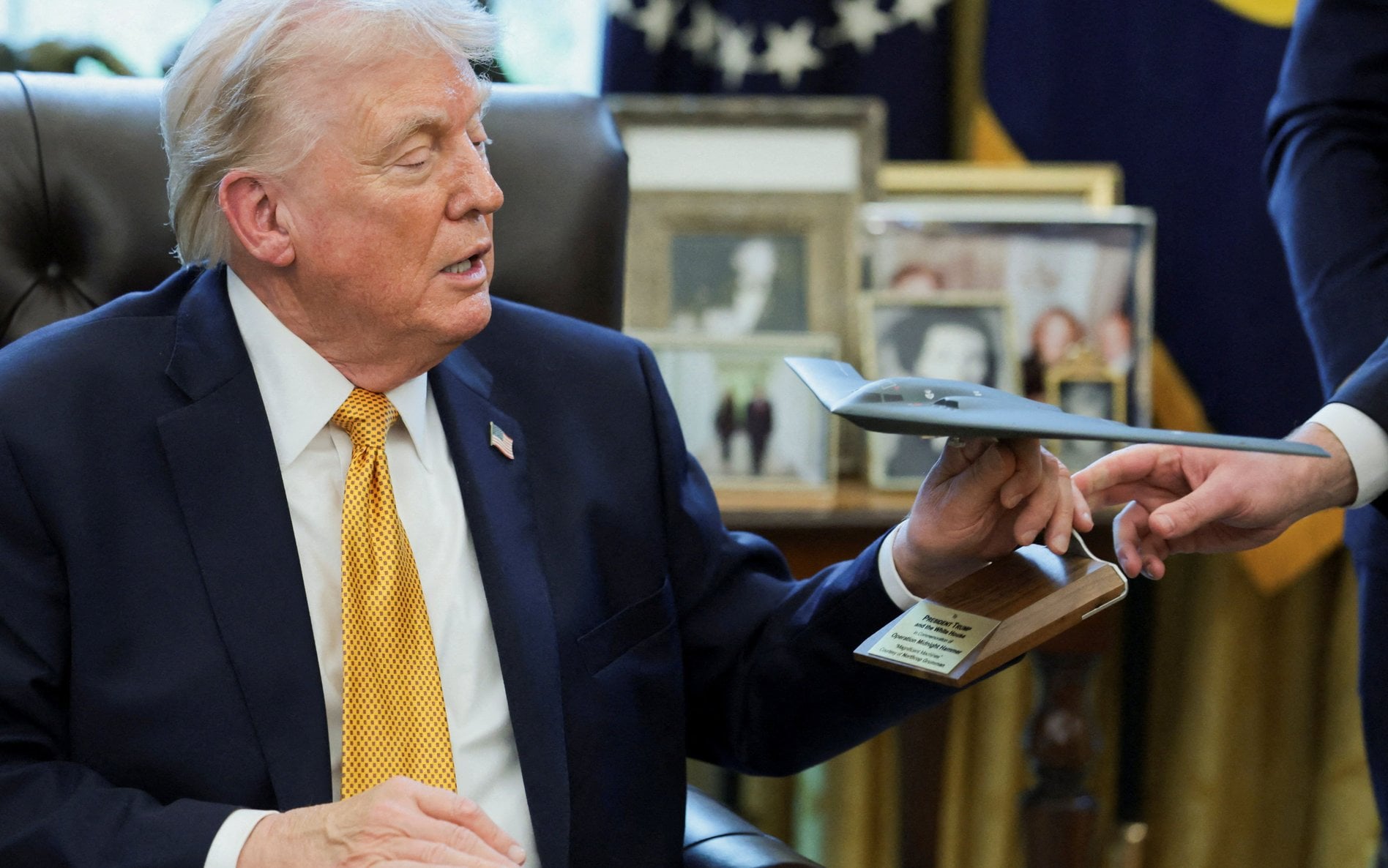
"Well, I’m disappointed in NATO, that we spend trillions of dollars on NATO. It’s one of the reasons we have deficits and we help other countries, and then they don’t help us. I mean, it’s certainly something that we should think about," Donald Trump said in the Oval Office, frustrated by the lack of enthusiasm among NATO partners to engage militarily with U.S. forces in unlocking the Strait of Hormuz.
Is Trump Right To Complain about NATO Allies?
In theory, he's right on a general level. Iran's blockade of the Strait of Hormuz primarily harms Western countries. It drives up fuel prices. It stokes inflation. It hits the U.S. and European economies. But this is a high level of generality. Below is a whole array of arguments against Trump.
First, the war he is waging is an offensive war, not a defensive one. As such, it cannot be related to invoking Article 5 of the North Atlantic Treaty, which obliges partners to act, including through the use of armed force, in the event of "an armed attack against one or more of them in Europe or North America." The rule is clear enough that it does not require explanation. In this case, regardless of the motives, the aggression was carried out by the U.S. and Israel outside of Europe or North America. A separate issue is the absurdity of this war, its obvious violation of international law, not to mention the ill-conceived strategy, in the opinion of many experts, that has led to global chaos.
The question is whether Trump can invoke Article 5. There’s little doubt that he can. His understanding and respect for the principles of the treaty order are so biased and arbitrary that such a possibility must be taken into account. What then? His plea will most likely be ignored. And it will be a critical moment when it can be expected that his warning about the U.S. withdrawal from NATO could translate into real intent.
Trump has a completely free hand regarding the presence of U.S. forces in Europe, which remain the main guarantor of its collective security.
Could he really pull the U.S. out of NATO? It wouldn't be easy, neither for political nor formal reasons. NATO is and has always been an instrument of American policy. For decades, it was the heaviest U.S. ammunition in the global confrontation with Washington's enemies — apart from nuclear weapons. Trump getting rid of this instrument would be illogical because it would undermine the entire existing alliance agreement, particularly important in the era of potential political confrontation with Beijing.
How Long Would It Take for the US To Leave NATO?
Formal matters are not easy either. Article 13 of the treaty gives the U.S., like any other party, the right to withdraw from it. This is a fairly simple process, although the provision stipulates that the real withdrawal would take effect one year after the notification. Interestingly, the treaty stipulates that the notification must be addressed to the U.S. government, which is the "host" of the pact. In a situation where the U.S. president plans to pull out of the treaty, he must first inform both houses of Congress of his plans, obtain the support of the House of Representatives and two-thirds of the senators in the U.S. Senate, and only after the consent of both houses submit such notification via the ambassador to NATO to the secretariat in Brussels.
But here's the catch. This only triggers the one-year period, after which withdrawal takes place. But even here problems may arise, as the European members of the alliance may make the start of this procedure conditional on the actual withdrawal of U.S. troops and their infrastructure from Europe. These actions would have to be preceded by the negotiation and signing of relevant protocols, so this would undoubtedly take at least a dozen months.
It's clear, then, that Trump is not free to withdraw the U.S. from NATO at will. However, he should not be underestimated since, regardless of the formal aspects, he has complete freedom regarding the presence of U.S. troops in Europe, which still remain the main guarantor of common security on the continent. Enraged by the refusal of allied support from Europe in the Strait of Hormuz, he may begin withdrawing American troops stationed on the Old Continent. That would be a terrible blow to our security and, ultimately, the disruption of the strategic balance around our borders.
*Editor's note: This article is available in its original language with a paid subscription.
"Well, I’m disappointed in NATO, that we spend trillions of dollars on NATO. It’s one of the reasons we have deficits and we help other countries, and then they don’t help us. I mean, it’s certainly something that we should think about," Donald Trump said in the Oval Office, frustrated by the lack of enthusiasm among NATO partners to engage militarily with U.S. forces in unlocking the Strait of Hormuz.
Is Trump Right To Complain about NATO Allies?
In theory, he's right on a general level. Iran's blockade of the Strait of Hormuz primarily harms Western countries. It drives up fuel prices. It stokes inflation. It hits the U.S. and European economies. But this is a high level of generality. Below is a whole array of arguments against Trump.
First, the war he is waging is an offensive war, not a defensive one. As such, it cannot be related to invoking Article 5 of the North Atlantic Treaty, which obliges partners to act, including through the use of armed force, in the event of "an armed attack against one or more of them in Europe or North America." The rule is clear enough that it does not require explanation. In this case, regardless of the motives, the aggression was carried out by the U.S. and Israel outside of Europe or North America. A separate issue is the absurdity of this war, its obvious violation of international law, not to mention the ill-conceived strategy, in the opinion of many experts, that has led to global chaos.
The question is whether Trump can invoke Article 5. There’s little doubt that he can. His understanding and respect for the principles of the treaty order are so biased and arbitrary that such a possibility must be taken into account. What then? His plea will most likely be ignored. And it will be a critical moment when it can be expected that his warning about the U.S. withdrawal from NATO could translate into real intent.
Trump has a completely free hand regarding the presence of U.S. forces in Europe, which remain the main guarantor of its collective security.
Could he really pull the U.S. out of NATO? It wouldn't be easy, neither for political nor formal reasons. NATO is and has always been an instrument of American policy. For decades, it was the heaviest U.S. ammunition in the global confrontation with Washington's enemies — apart from nuclear weapons. Trump getting rid of this instrument would be illogical because it would undermine the entire existing alliance agreement, particularly important in the era of potential political confrontation with Beijing.
How Long Would It Take for the US To Leave NATO?
Formal matters are not easy either. Article 13 of the treaty gives the U.S., like any other party, the right to withdraw from it. This is a fairly simple process, although the provision stipulates that the real withdrawal would take effect one year after the notification. Interestingly, the treaty stipulates that the notification must be addressed to the U.S. government, which is the "host" of the pact. In a situation where the U.S. president plans to pull out of the treaty, he must first inform both houses of Congress of his plans, obtain the support of the House of Representatives and two-thirds of the senators in the U.S. Senate, and only after the consent of both houses submit such notification via the ambassador to NATO to the secretariat in Brussels.
But here's the catch. This only triggers the one-year period, after which withdrawal takes place. But even here problems may arise, as the European members of the alliance may make the start of this procedure conditional on the actual withdrawal of U.S. troops and their infrastructure from Europe. These actions would have to be preceded by the negotiation and signing of relevant protocols, so this would undoubtedly take at least a dozen months.
It's clear, then, that Trump is not free to withdraw the U.S. from NATO at will. However, he should not be underestimated since, regardless of the formal aspects, he has complete freedom regarding the presence of U.S. troops in Europe, which still remain the main guarantor of common security on the continent. Enraged by the refusal of allied support from Europe in the Strait of Hormuz, he may begin withdrawing American troops stationed on the Old Continent. That would be a terrible blow to our security and, ultimately, the disruption of the strategic balance around our borders.
*Editor's note: This article is available in its original language with a paid subscription.
Previous article
Next article
