
Europe Last
The announced withdrawal of U.S. troops raises questions. It demonstrates again that Europe is not a top priority for the United States.
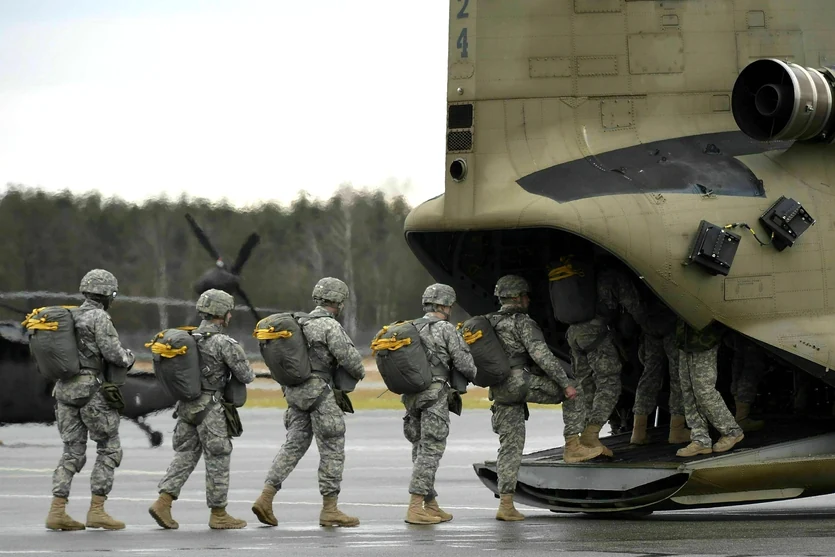
It is not really clear where the 5,000 troops that U.S. Defense Secretary Pete Hegseth says will be withdrawn from Germany in the next six to 12 months will come from. A high-ranking Pentagon official told The Washington Post that a brigade combat team stationed in Germany would be withdrawn. A long-range fire battalion scheduled for deployment in Germany this year will no longer be sent.
According to Reuters, Hegseth added that the withdrawal would reduce U.S. troop numbers in Europe to pre-2022 levels — before Russia’s invasion of Ukraine, which had triggered a surge in troops under President Joe Biden.
Together with the decision to not station in any new midrange missiles in Europe, this indicates a clear priority. The U.S. obviously is not planning to reduce its operational capabilities in Africa and the Middle East, but anything that serves aid to Ukraine and European defense against Russia apparently is up for debate. Strategic considerations seem to play less of a role here than a president who wants to put pressure on his allies when they express criticism.
On Thursday, Donald Trump said that he would “probably” withdraw troops from Italy and Spain due to their stance on the Iran war. “Italy has not been of any help,” he said, and Spain’s behavior “has been horrible.” Both refused to let the U.S. use its bases in their countries for attacks against Iran.
Even the US Government Has Its Limits
During his first term, Trump threatened to withdraw troops from Germany. At the time, he wanted to withdraw 12,000 to 35,000 soldiers because Germany was spending too little on its military. The threat was not carried out—however, Germany significantly increased its military spending, as did other European NATO countries.
The new withdrawal announcement is drawing criticism in the U.S. as well. In a joint statement, both Republican chairs of the Senate and House Armed Services Committees, Sen. Roger Wicker of Mississippi and Rep. Mike D. Rogers of Alabama, said, “Prematurely reducing America’s forward presence in Europe before those capabilities [of NATO allies] are fully realized risks undermining deterrence and sending the wrong signal to Vladimir Putin.” They recommend, if anything, simply relocating the 5,000 soldiers farther to the east, instead of withdrawing them from Europe entirely.
However, the U.S. president and his zealous defense secretary Hegseth are bound by legal limits with respect to a total withdrawal from Europe. Last year, Congress passed a security measure providing that the total number of troops that are subject to U.S. European Command long term cannot be reduced below 76,000 for more than 45 days. Given the statements of Republican legislators involved with defense, it seems unlikely that Congress would let Trump get away with violating this mandate — unlike the Iran war, which Trump initiated without congressional approval.
However, although the withdrawal plans are causing a commotion in Germany, other issues dominate the headlines in the U.S., namely the president’s poll numbers, which have continually declined since the start of the Iran war. According to a Washington Post/ ABC poll, just 37% of voters still approve of his actions, while 62% disapprove. Cost of living, inflation, the Iran war, the state of the economy — discontent clearly reigns in all these areas.
If the numbers remain so drastic, it is possible that even clever redrawing of election districts won’t be able to stop a dramatic defeat for the Republicans in the midterm elections six months from now. That is probably also why Trump is again placing his version of “America First” in position against the European allies.
The announced withdrawal of U.S. troops raises questions. It demonstrates again that Europe is not a top priority for the United States.
It is not really clear where the 5,000 troops that U.S. Defense Secretary Pete Hegseth says will be withdrawn from Germany in the next six to 12 months will come from. A high-ranking Pentagon official told The Washington Post that a brigade combat team stationed in Germany would be withdrawn. A long-range fire battalion scheduled for deployment in Germany this year will no longer be sent.
According to Reuters, Hegseth added that the withdrawal would reduce U.S. troop numbers in Europe to pre-2022 levels — before Russia’s invasion of Ukraine, which had triggered a surge in troops under President Joe Biden.
Together with the decision to not station in any new midrange missiles in Europe, this indicates a clear priority. The U.S. obviously is not planning to reduce its operational capabilities in Africa and the Middle East, but anything that serves aid to Ukraine and European defense against Russia apparently is up for debate. Strategic considerations seem to play less of a role here than a president who wants to put pressure on his allies when they express criticism.
On Thursday, Donald Trump said that he would “probably” withdraw troops from Italy and Spain due to their stance on the Iran war. “Italy has not been of any help,” he said, and Spain’s behavior “has been horrible.” Both refused to let the U.S. use its bases in their countries for attacks against Iran.
Even the US Government Has Its Limits
During his first term, Trump threatened to withdraw troops from Germany. At the time, he wanted to withdraw 12,000 to 35,000 soldiers because Germany was spending too little on its military. The threat was not carried out—however, Germany significantly increased its military spending, as did other European NATO countries.
The new withdrawal announcement is drawing criticism in the U.S. as well. In a joint statement, both Republican chairs of the Senate and House Armed Services Committees, Sen. Roger Wicker of Mississippi and Rep. Mike D. Rogers of Alabama, said, “Prematurely reducing America’s forward presence in Europe before those capabilities [of NATO allies] are fully realized risks undermining deterrence and sending the wrong signal to Vladimir Putin.” They recommend, if anything, simply relocating the 5,000 soldiers farther to the east, instead of withdrawing them from Europe entirely.
However, the U.S. president and his zealous defense secretary Hegseth are bound by legal limits with respect to a total withdrawal from Europe. Last year, Congress passed a security measure providing that the total number of troops that are subject to U.S. European Command long term cannot be reduced below 76,000 for more than 45 days. Given the statements of Republican legislators involved with defense, it seems unlikely that Congress would let Trump get away with violating this mandate — unlike the Iran war, which Trump initiated without congressional approval.
However, although the withdrawal plans are causing a commotion in Germany, other issues dominate the headlines in the U.S., namely the president’s poll numbers, which have continually declined since the start of the Iran war. According to a Washington Post/ ABC poll, just 37% of voters still approve of his actions, while 62% disapprove. Cost of living, inflation, the Iran war, the state of the economy — discontent clearly reigns in all these areas.
If the numbers remain so drastic, it is possible that even clever redrawing of election districts won’t be able to stop a dramatic defeat for the Republicans in the midterm elections six months from now. That is probably also why Trump is again placing his version of “America First” in position against the European allies.
It is not really clear where the 5,000 troops that U.S. Defense Secretary Pete Hegseth says will be withdrawn from Germany in the next six to 12 months will come from. A high-ranking Pentagon official told The Washington Post that a brigade combat team stationed in Germany would be withdrawn. A long-range fire battalion scheduled for deployment in Germany this year will no longer be sent.
According to Reuters, Hegseth added that the withdrawal would reduce U.S. troop numbers in Europe to pre-2022 levels — before Russia’s invasion of Ukraine, which had triggered a surge in troops under President Joe Biden.
Together with the decision to not station in any new midrange missiles in Europe, this indicates a clear priority. The U.S. obviously is not planning to reduce its operational capabilities in Africa and the Middle East, but anything that serves aid to Ukraine and European defense against Russia apparently is up for debate. Strategic considerations seem to play less of a role here than a president who wants to put pressure on his allies when they express criticism.
On Thursday, Donald Trump said that he would “probably” withdraw troops from Italy and Spain due to their stance on the Iran war. “Italy has not been of any help,” he said, and Spain’s behavior “has been horrible.” Both refused to let the U.S. use its bases in their countries for attacks against Iran.
Even the US Government Has Its Limits
During his first term, Trump threatened to withdraw troops from Germany. At the time, he wanted to withdraw 12,000 to 35,000 soldiers because Germany was spending too little on its military. The threat was not carried out—however, Germany significantly increased its military spending, as did other European NATO countries.
The new withdrawal announcement is drawing criticism in the U.S. as well. In a joint statement, both Republican chairs of the Senate and House Armed Services Committees, Sen. Roger Wicker of Mississippi and Rep. Mike D. Rogers of Alabama, said, “Prematurely reducing America’s forward presence in Europe before those capabilities [of NATO allies] are fully realized risks undermining deterrence and sending the wrong signal to Vladimir Putin.” They recommend, if anything, simply relocating the 5,000 soldiers farther to the east, instead of withdrawing them from Europe entirely.
However, the U.S. president and his zealous defense secretary Hegseth are bound by legal limits with respect to a total withdrawal from Europe. Last year, Congress passed a security measure providing that the total number of troops that are subject to U.S. European Command long term cannot be reduced below 76,000 for more than 45 days. Given the statements of Republican legislators involved with defense, it seems unlikely that Congress would let Trump get away with violating this mandate — unlike the Iran war, which Trump initiated without congressional approval.
However, although the withdrawal plans are causing a commotion in Germany, other issues dominate the headlines in the U.S., namely the president’s poll numbers, which have continually declined since the start of the Iran war. According to a Washington Post/ ABC poll, just 37% of voters still approve of his actions, while 62% disapprove. Cost of living, inflation, the Iran war, the state of the economy — discontent clearly reigns in all these areas.
If the numbers remain so drastic, it is possible that even clever redrawing of election districts won’t be able to stop a dramatic defeat for the Republicans in the midterm elections six months from now. That is probably also why Trump is again placing his version of “America First” in position against the European allies.
The announced withdrawal of U.S. troops raises questions. It demonstrates again that Europe is not a top priority for the United States.
It is not really clear where the 5,000 troops that U.S. Defense Secretary Pete Hegseth says will be withdrawn from Germany in the next six to 12 months will come from. A high-ranking Pentagon official told The Washington Post that a brigade combat team stationed in Germany would be withdrawn. A long-range fire battalion scheduled for deployment in Germany this year will no longer be sent.
According to Reuters, Hegseth added that the withdrawal would reduce U.S. troop numbers in Europe to pre-2022 levels — before Russia’s invasion of Ukraine, which had triggered a surge in troops under President Joe Biden.
Together with the decision to not station in any new midrange missiles in Europe, this indicates a clear priority. The U.S. obviously is not planning to reduce its operational capabilities in Africa and the Middle East, but anything that serves aid to Ukraine and European defense against Russia apparently is up for debate. Strategic considerations seem to play less of a role here than a president who wants to put pressure on his allies when they express criticism.
On Thursday, Donald Trump said that he would “probably” withdraw troops from Italy and Spain due to their stance on the Iran war. “Italy has not been of any help,” he said, and Spain’s behavior “has been horrible.” Both refused to let the U.S. use its bases in their countries for attacks against Iran.
Even the US Government Has Its Limits
During his first term, Trump threatened to withdraw troops from Germany. At the time, he wanted to withdraw 12,000 to 35,000 soldiers because Germany was spending too little on its military. The threat was not carried out—however, Germany significantly increased its military spending, as did other European NATO countries.
The new withdrawal announcement is drawing criticism in the U.S. as well. In a joint statement, both Republican chairs of the Senate and House Armed Services Committees, Sen. Roger Wicker of Mississippi and Rep. Mike D. Rogers of Alabama, said, “Prematurely reducing America’s forward presence in Europe before those capabilities [of NATO allies] are fully realized risks undermining deterrence and sending the wrong signal to Vladimir Putin.” They recommend, if anything, simply relocating the 5,000 soldiers farther to the east, instead of withdrawing them from Europe entirely.
However, the U.S. president and his zealous defense secretary Hegseth are bound by legal limits with respect to a total withdrawal from Europe. Last year, Congress passed a security measure providing that the total number of troops that are subject to U.S. European Command long term cannot be reduced below 76,000 for more than 45 days. Given the statements of Republican legislators involved with defense, it seems unlikely that Congress would let Trump get away with violating this mandate — unlike the Iran war, which Trump initiated without congressional approval.
However, although the withdrawal plans are causing a commotion in Germany, other issues dominate the headlines in the U.S., namely the president’s poll numbers, which have continually declined since the start of the Iran war. According to a Washington Post/ ABC poll, just 37% of voters still approve of his actions, while 62% disapprove. Cost of living, inflation, the Iran war, the state of the economy — discontent clearly reigns in all these areas.
If the numbers remain so drastic, it is possible that even clever redrawing of election districts won’t be able to stop a dramatic defeat for the Republicans in the midterm elections six months from now. That is probably also why Trump is again placing his version of “America First” in position against the European allies.
Previous article
Next article