
Faithful are the Wounds of a Friend: On U.S.-Israeli Relations
The same members of the Knesset and the public workers who are pouring oil on the fire by openly attacking the American government are acting irresponsibly in their attempts to stand out and earn votes.
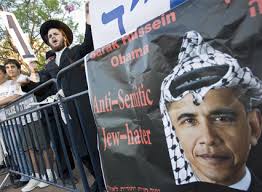
The tension that has prevailed in Israeli-United States relations in the past weeks has been reflected by Knesset members and public workers in their attacks on the American government. As an example, Deputy Minister Ayoob Kara called the U.S. president "Hussein Obama" during a celebration in the Jewish settlement in Hebron. By his side was Knesset Member Ofir Akunis who announced in an article in the newspaper, "Obama, that's it" and claimed that "an entire nation is answering to the U.S. president with a reverberating 'No!'" In comparison, the White House press secretary tried to put out the flames this week by strongly denying that a personal crisis between President Obama and Prime Minister Netanyahu exists and refused to respond to the words of Deputy Minister Kara.
The aggressive remarks of the Knesset members, that seem at first glance surprising but harmless, raise legitimate fears regarding the United States' place in the geo-political environment of the Middle East. And so, the United States is trying to harness China and to formulate an international coalition for the deterioration of the sanctions on Iran. Just a few days ago, representatives of the department of defense and the Pentagon signed an agreement to sell Israel a Herculean-type airplane. That is in addition to the continued economic assistance (and military and social assistance) that the United States grants Israel year after year — expected to stand around 2.775 billion dollars in 2010 — and the almost-automatic backup the United States grants Israel in the United Nations and other international forums.
Levi Eshkol said that "when the United States sneezes, Israel catches pneumonia." It's easy to see the hidden dangers of shaking the tight relations between Israel and the United States in every aspect of life: the security of Israel will significantly worsen if the United States "sneezes" and loosens its efforts to prevent an Iranian bomb or the IDF from making transactions; and Israel's economic situation will worsen if the United States "sneezes" and cuts off the generous aid that it grants.
It doesn't seem that there is immediate danger for an end to the economic aid or a break in the attempt to prevent a nuclear Iran (especially since these matters also depend on Congress, in which the Jewish lobby has a significant influence). However, the government has already leaked to the press that casting the automatic veto in the United Nations on anti-Israeli decisions could be newly considered. It's logical that if the tension strengthens, the government will consider steps for further pressure. In any event, the arousal of the senior members of the Israeli government and the president seems, in this context, baseless and particularly unrealistic, and it's value and purpose is unclear.
The current tension between Israel and the United States is connected to a decisive decision by the Obama administration to reach an agreement between Israel and the Palestinians, which is also a clear Israeli interest. "Faithful are the wounds of a friend," it says in Proverbs 27:6, and this saying suits our issue as well, especially since in the rest of the government continues to stand beside Israel and to guard its security and economic interests.
Even if the American demands hurt, and even if policy makers in Israel have fundamental problems with them, we must solve these problems with the accepted means. We must use diplomatic channels and calm discussion behind closed doors. Those same public workers, those who are pouring oil into the fire and publicly attacking the American government and President Obama in a personal way, are acting with an outrageous public irresponsibly and may cause unprecedented damage to the foreign relations and the safety of Israel.
The tension that has prevailed in Israeli-United States relations in the past weeks has been reflected by Knesset members and public workers in their attacks on the American government. As an example, Deputy Minister Ayoob Kara called the U.S. president "Hussein Obama" during a celebration in the Jewish settlement in Hebron. By his side was Knesset Member Ofir Akunis who announced in an article in the newspaper, "Obama, that's it" and claimed that "an entire nation is answering to the U.S. president with a reverberating 'No!'" In comparison, the White House press secretary tried to put out the flames this week by strongly denying that a personal crisis between President Obama and Prime Minister Netanyahu exists and refused to respond to the words of Deputy Minister Kara.
The aggressive remarks of the Knesset members, that seem at first glance surprising but harmless, raise legitimate fears regarding the United States' place in the geo-political environment of the Middle East. And so, the United States is trying to harness China and to formulate an international coalition for the deterioration of the sanctions on Iran. Just a few days ago, representatives of the department of defense and the Pentagon signed an agreement to sell Israel a Herculean-type airplane. That is in addition to the continued economic assistance (and military and social assistance) that the United States grants Israel year after year — expected to stand around 2.775 billion dollars in 2010 — and the almost-automatic backup the United States grants Israel in the United Nations and other international forums.
Levi Eshkol said that "when the United States sneezes, Israel catches pneumonia." It's easy to see the hidden dangers of shaking the tight relations between Israel and the United States in every aspect of life: the security of Israel will significantly worsen if the United States "sneezes" and loosens its efforts to prevent an Iranian bomb or the IDF from making transactions; and Israel's economic situation will worsen if the United States "sneezes" and cuts off the generous aid that it grants.
It doesn't seem that there is immediate danger for an end to the economic aid or a break in the attempt to prevent a nuclear Iran (especially since these matters also depend on Congress, in which the Jewish lobby has a significant influence). However, the government has already leaked to the press that casting the automatic veto in the United Nations on anti-Israeli decisions could be newly considered. It's logical that if the tension strengthens, the government will consider steps for further pressure. In any event, the arousal of the senior members of the Israeli government and the president seems, in this context, baseless and particularly unrealistic, and it's value and purpose is unclear.
The current tension between Israel and the United States is connected to a decisive decision by the Obama administration to reach an agreement between Israel and the Palestinians, which is also a clear Israeli interest. "Faithful are the wounds of a friend," it says in Proverbs 27:6, and this saying suits our issue as well, especially since in the rest of the government continues to stand beside Israel and to guard its security and economic interests.
Even if the American demands hurt, and even if policy makers in Israel have fundamental problems with them, we must solve these problems with the accepted means. We must use diplomatic channels and calm discussion behind closed doors. Those same public workers, those who are pouring oil into the fire and publicly attacking the American government and President Obama in a personal way, are acting with an outrageous public irresponsibly and may cause unprecedented damage to the foreign relations and the safety of Israel.
Next article
