
Loser Takes All
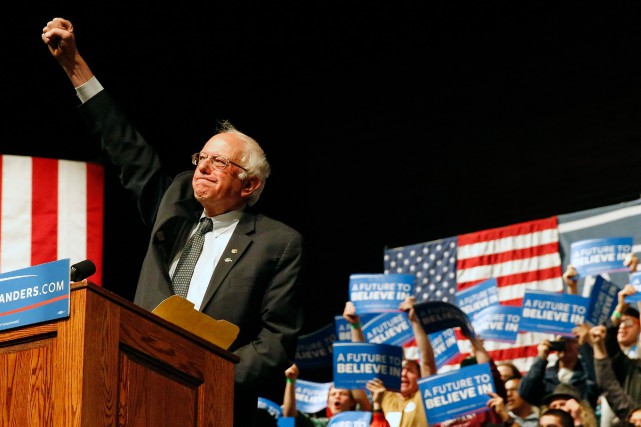
Bernie Sanders, president of the United States?
Let’s be honest. When he entered the race for the White House, few people genuinely thought he could stand up to Hillary Clinton and her formidable political machine.
This septuagenarian, who describes himself as a Democratic Socialist, was more often seen as a marginal candidate than a serious contender.
And yet, as the months have passed — and it’s all to his credit — Bernie Sanders has been able to prove that his candidature is far from frivolous. He has also proven that his progressive ideas kindle real enthusiasm among many Democratic voters, especially the young.
His victory on Tuesday in the Wisconsin primary (by a 14 percent margin — 57 to 43) proves this once more. His momentum is undeniable. Including this Midwestern state, he has won in six of the seven most recent primaries and caucuses in the race for the Democratic Party nomination.
However, his chances of winning the nomination remain extremely slim. The advance of Hillary Clinton seems insurmountable, while 18 states have yet to hold their primaries or caucuses.
Clinton currently has the support of 1,271 delegates, compared to 1,026 for Sanders. If you add the superdelegates — generally members of the party establishment, almost all of whom have pledged to support the former secretary of state — she reaches the enviable figure of 1,728. The candidates need 2,383 delegates to win.
In short, if the trend stays as it is, Hillary will triumph. But even if Bernie Sanders loses, he will have partly won his gamble.
Ideologically, Hillary Clinton’s political convictions have long since raised doubts among certain Democratic voters. In fact, these doubts date back as far as her husband’s presidency. Bill Clinton governed more to the center of the political spectrum than to the left. To be elected president twice, he borrowed some ideas from the Republicans along the way.
But from now on, Hillary Clinton is resolutely progressive. She praises Barack Obama’s achievements and draws her inspiration from Bernie Sanders’ agenda. “Those are our words,” the latter exclaimed a few weeks ago when he heard his rival take a very firm stance against Wall Street. “Wall Street can never be allowed to threaten Main Street again. No bank can be too big to fail,” she had said.
You could also argue that without the senator from Vermont in the frame, Hillary Clinton would perhaps not have been so quick — among other things — to support the idea of a $15 minimum wage, be concerned about the fate of debt-ridden students, or promise major changes to electoral financing.
It’s a bit as if David, unable to overcome Goliath, had nevertheless persuaded him to join the former’s cause.
Even if Bernie Sanders had not been in the race, Hillary Clinton would probably not have broken away from Barack Obama’s progressive legacy. But the senator from Vermont’s influence has been so great that if Hillary becomes president next January, she won’t even dare to water down this legacy.
Let’s be honest. When he entered the race for the White House, few people genuinely thought he could stand up to Hillary Clinton and her formidable political machine.
This septuagenarian, who describes himself as a Democratic Socialist, was more often seen as a marginal candidate than a serious contender.
And yet, as the months have passed — and it’s all to his credit — Bernie Sanders has been able to prove that his candidature is far from frivolous. He has also proven that his progressive ideas kindle real enthusiasm among many Democratic voters, especially the young.
His victory on Tuesday in the Wisconsin primary (by a 14 percent margin — 57 to 43) proves this once more. His momentum is undeniable. Including this Midwestern state, he has won in six of the seven most recent primaries and caucuses in the race for the Democratic Party nomination.
However, his chances of winning the nomination remain extremely slim. The advance of Hillary Clinton seems insurmountable, while 18 states have yet to hold their primaries or caucuses.
Clinton currently has the support of 1,271 delegates, compared to 1,026 for Sanders. If you add the superdelegates — generally members of the party establishment, almost all of whom have pledged to support the former secretary of state — she reaches the enviable figure of 1,728. The candidates need 2,383 delegates to win.
In short, if the trend stays as it is, Hillary will triumph. But even if Bernie Sanders loses, he will have partly won his gamble.
Ideologically, Hillary Clinton’s political convictions have long since raised doubts among certain Democratic voters. In fact, these doubts date back as far as her husband’s presidency. Bill Clinton governed more to the center of the political spectrum than to the left. To be elected president twice, he borrowed some ideas from the Republicans along the way.
But from now on, Hillary Clinton is resolutely progressive. She praises Barack Obama’s achievements and draws her inspiration from Bernie Sanders’ agenda. “Those are our words,” the latter exclaimed a few weeks ago when he heard his rival take a very firm stance against Wall Street. “Wall Street can never be allowed to threaten Main Street again. No bank can be too big to fail,” she had said.
You could also argue that without the senator from Vermont in the frame, Hillary Clinton would perhaps not have been so quick — among other things — to support the idea of a $15 minimum wage, be concerned about the fate of debt-ridden students, or promise major changes to electoral financing.
It’s a bit as if David, unable to overcome Goliath, had nevertheless persuaded him to join the former’s cause.
Even if Bernie Sanders had not been in the race, Hillary Clinton would probably not have broken away from Barack Obama’s progressive legacy. But the senator from Vermont’s influence has been so great that if Hillary becomes president next January, she won’t even dare to water down this legacy.
Previous article
Next article
