The End of the Love Affair
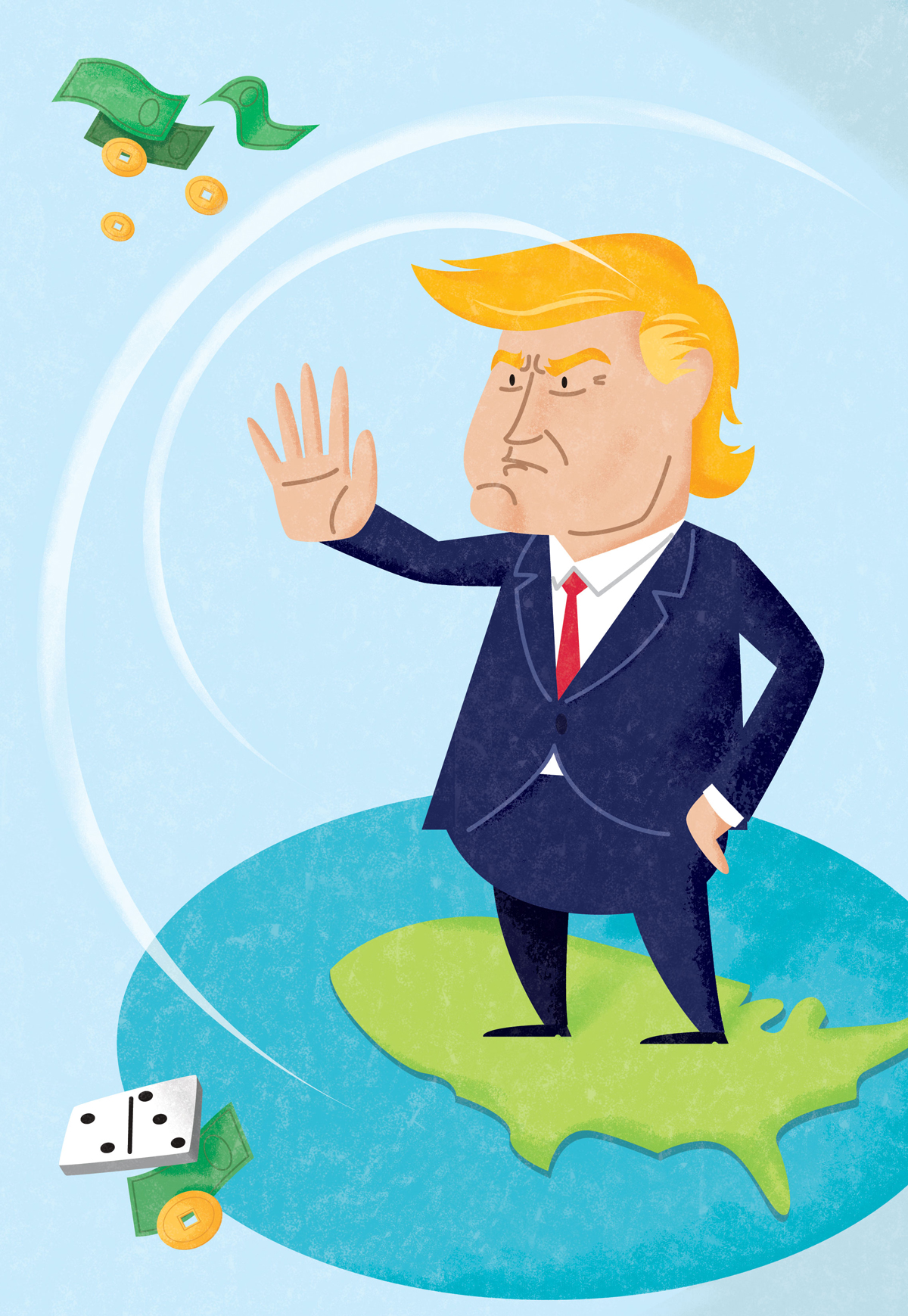
After Xi Jinping’s visit to the U.S. in April, there was much said about a so-called bromance between Donald Trump and the Chinese leader. There were also rumors about better relations with Russia. However old antagonisms are returning and hard politics are winning over soft ones.
Last Sunday, an American spy plane was caught by two Chinese fighter jets during its flight over the South China Sea. It was the second time during the past few months that such a serious incident has occurred. The Pentagon said that China’s behavior in this case was unusual.
There have been other incidents that indicate rapid change. In July, the Liaoning, China’s aircraft carrier, arrived in the eastern Pacific accompanied by military escort. The latest military reports show that China is increasingly gathering more soldiers near its border with North Korea. Chinese-Russian military exercises came to their end yesterday. They took place as Congress was deciding about imposing new sanctions on Russia.
The United States’ attempt to destroy the Russian-Chinese alliance makes sense; however, now it is impossible to do so. After attacking Ukraine and ineptly causing agitation in the U.S., Russia has made a lot of enemies in Washington. Trump, who perhaps still adores Putin, can't do anything now. The American and Russian-Chinese military blocs have become more evident. The countries of the European Union, which are used to politics involving inefficient sanctions and underfunded armies, are afraid of the determination shown by these new political blocs. The East European and Central European countries should be even more afraid. China is not a direct threat to their existence, but the RAND Corporation, an American think thank, has warned against an attack in this region by a possibly opportunistic Russia if the U.S. becomes involved in a dangerous conflict in the Pacific. It seems that Poland might become the first shield of the West indeed.
Last Sunday, an American spy plane was caught by two Chinese fighter jets during its flight over the South China Sea. It was the second time during the past few months that such a serious incident has occurred. The Pentagon said that China’s behavior in this case was unusual.
There have been other incidents that indicate rapid change. In July, the Liaoning, China’s aircraft carrier, arrived in the eastern Pacific accompanied by military escort. The latest military reports show that China is increasingly gathering more soldiers near its border with North Korea. Chinese-Russian military exercises came to their end yesterday. They took place as Congress was deciding about imposing new sanctions on Russia.
The United States’ attempt to destroy the Russian-Chinese alliance makes sense; however, now it is impossible to do so. After attacking Ukraine and ineptly causing agitation in the U.S., Russia has made a lot of enemies in Washington. Trump, who perhaps still adores Putin, can't do anything now. The American and Russian-Chinese military blocs have become more evident. The countries of the European Union, which are used to politics involving inefficient sanctions and underfunded armies, are afraid of the determination shown by these new political blocs. The East European and Central European countries should be even more afraid. China is not a direct threat to their existence, but the RAND Corporation, an American think thank, has warned against an attack in this region by a possibly opportunistic Russia if the U.S. becomes involved in a dangerous conflict in the Pacific. It seems that Poland might become the first shield of the West indeed.
Previous article
Next article