Putin, King of Destabilization
The West must stand firm against the Kremlin’s machinations and must do so without relying on Trump, who also plays a part in undermining stability.
Immersed as we are in a technological era, destabilization is an easy-to-use and extremely inexpensive weapon. It has been Vladimir Putin’s weapon of choice to restore Moscow’s position as a great power, lost after the end of the Cold War and the demise of the Soviet Union. Russian interference in the U.S. election or in the Brexit vote, the creation of trolls that can polarize public opinion in a number of countries, or misinformation by way of Kremlin-financed global media comprise Russia’s current advance party in this war without borders and without ideology. One could add to this arsenal Putin’s public endorsement of ultra-nationalist − or fully anti-European − leaders, such as Marine Le Pen, Matteo Salvini and Viktor Orbán.
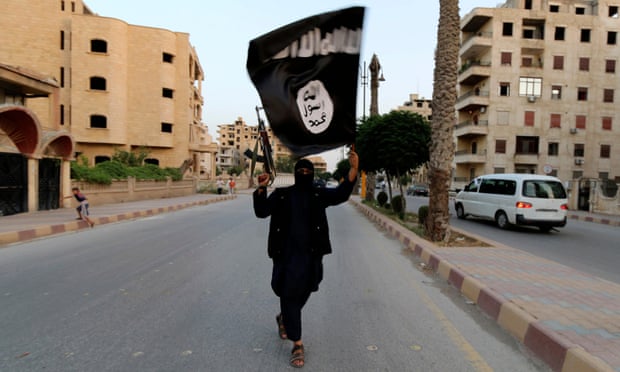
Another element of Moscow’s destabilization policy is the hybrid and frozen wars it uses to keep a buffer zone around Russian borders, whether with the Ukraine, Georgia or Moldova. In this new chapter of deregulated international relations, Putin has found a formidable ally in Donald Trump and his unpredictable and disruptive decisions. The United States’ withdrawal from Syria is the best gift Putin could ask for from the American president. The West must stand firm against the destabilization coming out of the Kremlin, and must do so without relying on a Washington that is part of the same destabilization.
Immersed as we are in a technological era, destabilization is an easy-to-use and extremely inexpensive weapon. It has been Vladimir Putin’s weapon of choice to restore Moscow’s position as a great power, lost after the end of the Cold War and the demise of the Soviet Union. Russian interference in the U.S. election or in the Brexit vote, the creation of trolls that can polarize public opinion in a number of countries, or misinformation by way of Kremlin-financed global media comprise Russia’s current advance party in this war without borders and without ideology. One could add to this arsenal Putin’s public endorsement of ultra-nationalist − or fully anti-European − leaders, such as Marine Le Pen, Matteo Salvini and Viktor Orbán.
Another element of Moscow’s destabilization policy is the hybrid and frozen wars it uses to keep a buffer zone around Russian borders, whether with the Ukraine, Georgia or Moldova. In this new chapter of deregulated international relations, Putin has found a formidable ally in Donald Trump and his unpredictable and disruptive decisions. The United States’ withdrawal from Syria is the best gift Putin could ask for from the American president. The West must stand firm against the destabilization coming out of the Kremlin, and must do so without relying on a Washington that is part of the same destabilization.
Previous article
Next article