

The Limits of American Power
The United States took 72 hours to ground the Boeing 737 MAX planes after the bans announced by China, the European Union and its big Canadian neighbor. A decision that can be judged as late but wise. Still, it is abnormal and highly suspect that this decision was dictated by the White House and not delivered by the relevant agency, the Federal Aviation Administration. President Donald Trump is congratulating himself on having taken this precaution, but one cannot help but see an admission of weakness, something to which he is not accustomed. Would he have made the same decision if Europe, China and other countries had not made it first? It’s not certain.
Of course, the president will not interpret it this way. Everything indicates that U.S. citizens, themselves, will do it. They will ask themselves about the hesitation. They haven’t forgotten that, this same week, the American president proposed budget cuts to the American agency in charge of civil aviation security! And this is happening while the agency has been without a director for a year and is plagued by infighting that undermines its credibility. The same president tried to appoint his former private pilot to the head of the agency, provoking outrage from the Senate.
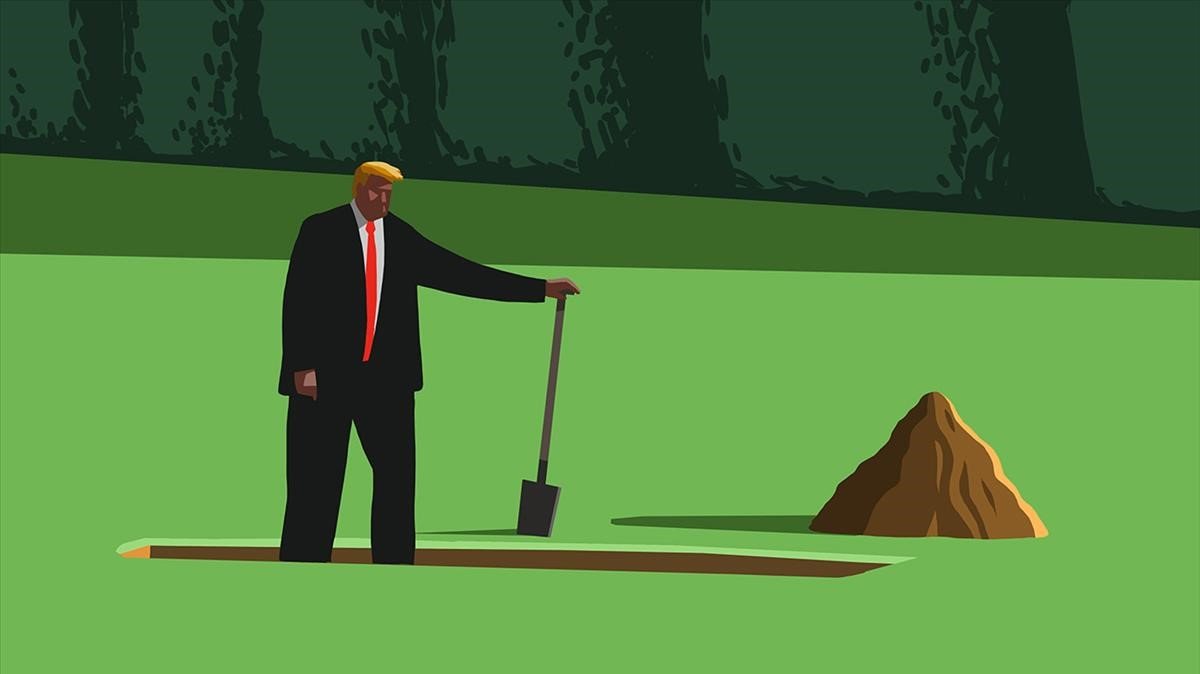
In fact, that is what is most unsettling. The United States, which invented the majority of aviation norms, is today piloted by an unpredictable president and a scorned agency. In ordering the Boeing 737 MAX flight ban himself, Trump has humiliated his administration. Even more seriously, he has cast doubt upon the true independence of government agencies for which safety must be the one and only priority.
In civil aviation, we will now be wary of the positions of an agency whose decisions, until now, the whole world waited to hear before taking action. The unparalleled normative sovereignty of the United States has suffered a historic setback. In taking charge of the FAA, Trump won himself a bit of popular glory but tarnished the image of a country thus far known for the impartiality of its specialized agencies.
Of course, the president will not interpret it this way. Everything indicates that U.S. citizens, themselves, will do it. They will ask themselves about the hesitation. They haven’t forgotten that, this same week, the American president proposed budget cuts to the American agency in charge of civil aviation security! And this is happening while the agency has been without a director for a year and is plagued by infighting that undermines its credibility. The same president tried to appoint his former private pilot to the head of the agency, provoking outrage from the Senate.
In fact, that is what is most unsettling. The United States, which invented the majority of aviation norms, is today piloted by an unpredictable president and a scorned agency. In ordering the Boeing 737 MAX flight ban himself, Trump has humiliated his administration. Even more seriously, he has cast doubt upon the true independence of government agencies for which safety must be the one and only priority.
In civil aviation, we will now be wary of the positions of an agency whose decisions, until now, the whole world waited to hear before taking action. The unparalleled normative sovereignty of the United States has suffered a historic setback. In taking charge of the FAA, Trump won himself a bit of popular glory but tarnished the image of a country thus far known for the impartiality of its specialized agencies.
Previous article
Next article
