
Breakdown in Cuba
Faced with the paralysis of the island, the Castro regime must start the process of a move to democracy once and for all
Cuba has entered a period of irreversible decay. The island has known other crises, other shortages. It has survived more than 60 years of an authoritarian regime, the collapse of the Soviet Union, the Special Period*, the tightening up of the embargo, and a pandemic that completely destroyed its economy. However, what is happening now is of a different nature. It isn’t just an economic crisis or an energy emergency: it is the simultaneous collapse of an economic model that cannot support itself, of a regime that for too long has been governing with inflexibility, repression and longevity as the only narrative. Add to this the pressure and imperialist impulse coming from the U.S. with Donald Trump in the White House. The feeling that is becoming increasingly widespread is that the system has reached the limit of what it can stand. It is also inevitable that the direction the country is going in will have to change.
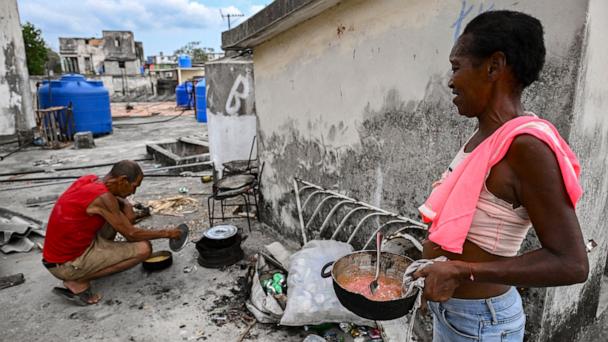
The disappearance of Venezuelan oil and the new energy embargo put in place by Trump have precipitated a situation that is suffocating the country. The endless power cuts, the collapse of the transport system, lack of food, water and medicines have turned ordinary life into a daily fight for survival. To blame this situation on the pressure from the U.S. would be yet another form of denial in the face of reality. The Cuban regime has spent too long using the embargo as the only reason for failure: fear of any real opening up and repression of dissent have resulted in emptying the system of legitimacy and a future. Cuba needs democracy to open up political spaces, recognize civil liberties, accept pluralism and move toward free, competitive elections. Cuba needs to leave the current regime behind. This regime’s total inability to give any room to freedom has driven Cuba to this current grotesque situation.
The seriousness of this collapse also makes it essential to reject the fantasy of salvation coming from outside that has started to reappear from Washington and Florida. The history of Latin America is too scarred by interventions, invasions and covert operations to think that democracy could be imposed from the outside. It has never worked. It will never work. The accusation against Raúl Castro by the U.S. justice system, three decades after the shooting down of the light aircraft belonging to the “Brothers to the Rescue” organization, should be read in this context. It should not be interpreted as a neutral act of historical justice, but as part of a strategy of putting political pressure on Havana. It has been inspired by what happened in Venezuela and driven by the increasingly aggressive rhetoric toward Cuba coming from certain Trumpist factions.
The message seems clear: If Washington was capable of acting against Nicolás Maduro, the same can be done on the island. The comparison is not accidental. The Trump administration has turned Latin America into one of the main settings for its hemispheric foreign policy. It would be a huge mistake to think that a transition to democracy in Cuba could happen under the threat of military action.
Nor does Washington currently have sufficient moral authority to put itself forward as a democratic guarantor in the region. The selective support of certain governments, tolerance toward like-minded authoritarian impulses and the exploitation of tariffs weaken U.S. credibility. The democracy that Cuba needs can't be subordinated to the geopolitical interests of Trump, nor turned into an electoral prize for Florida.
None of this exonerates the Cuban government of its historic responsibility. The leadership of the island must accept once and for all that the country cannot continue to function under the rationale of never-ending resistance. Blaming the U.S. does not help supply Cubans with the essentials they need. Nor will repression bring an end to this crisis. When daily life becomes impossible, no system can keep going indefinitely when it is only sustained by political control.
A peaceful exit may be one that is negotiated, gradual and complex, but it must lead to democracy as soon as possible. There must be a transition that allows the current political system to be dismantled without precipitating scenes of chaos and violence. Basic freedoms must be guaranteed and keeping the country trapped between internal collapse and external interference must be avoided. Cuba needs democracy, national reconciliation and a new political legitimacy. This can only be built from the inside.
Nobody knows where this historic turning point in Cuba will end. But one thing is clear: The old order has stopped working. The regime can no longer offer minimum decent living conditions, and the U.S. has gone back to its tendency of wanting to impose solutions from the outside. Between the two extremes, millions of Cubans are surviving, trapped on an exhausted island. Democracy has to come from the conviction of the Cubans themselves to rebuild a broken country. Cuba cannot be reborn from authoritarian complacency nor from an imperial threat.
*Editor’s note: The Special Period in Cuba refers to the economic crisis in the nation from 1991 to 2000, triggered by the end of the Soviet Union and the loss of its economic support.
Cuba has entered a period of irreversible decay. The island has known other crises, other shortages. It has survived more than 60 years of an authoritarian regime, the collapse of the Soviet Union, the Special Period*, the tightening up of the embargo, and a pandemic that completely destroyed its economy. However, what is happening now is of a different nature. It isn’t just an economic crisis or an energy emergency: it is the simultaneous collapse of an economic model that cannot support itself, of a regime that for too long has been governing with inflexibility, repression and longevity as the only narrative. Add to this the pressure and imperialist impulse coming from the U.S. with Donald Trump in the White House. The feeling that is becoming increasingly widespread is that the system has reached the limit of what it can stand. It is also inevitable that the direction the country is going in will have to change.
The disappearance of Venezuelan oil and the new energy embargo put in place by Trump have precipitated a situation that is suffocating the country. The endless power cuts, the collapse of the transport system, lack of food, water and medicines have turned ordinary life into a daily fight for survival. To blame this situation on the pressure from the U.S. would be yet another form of denial in the face of reality. The Cuban regime has spent too long using the embargo as the only reason for failure: fear of any real opening up and repression of dissent have resulted in emptying the system of legitimacy and a future. Cuba needs democracy to open up political spaces, recognize civil liberties, accept pluralism and move toward free, competitive elections. Cuba needs to leave the current regime behind. This regime’s total inability to give any room to freedom has driven Cuba to this current grotesque situation.
The seriousness of this collapse also makes it essential to reject the fantasy of salvation coming from outside that has started to reappear from Washington and Florida. The history of Latin America is too scarred by interventions, invasions and covert operations to think that democracy could be imposed from the outside. It has never worked. It will never work. The accusation against Raúl Castro by the U.S. justice system, three decades after the shooting down of the light aircraft belonging to the “Brothers to the Rescue” organization, should be read in this context. It should not be interpreted as a neutral act of historical justice, but as part of a strategy of putting political pressure on Havana. It has been inspired by what happened in Venezuela and driven by the increasingly aggressive rhetoric toward Cuba coming from certain Trumpist factions.
The message seems clear: If Washington was capable of acting against Nicolás Maduro, the same can be done on the island. The comparison is not accidental. The Trump administration has turned Latin America into one of the main settings for its hemispheric foreign policy. It would be a huge mistake to think that a transition to democracy in Cuba could happen under the threat of military action.
Nor does Washington currently have sufficient moral authority to put itself forward as a democratic guarantor in the region. The selective support of certain governments, tolerance toward like-minded authoritarian impulses and the exploitation of tariffs weaken U.S. credibility. The democracy that Cuba needs can't be subordinated to the geopolitical interests of Trump, nor turned into an electoral prize for Florida.
None of this exonerates the Cuban government of its historic responsibility. The leadership of the island must accept once and for all that the country cannot continue to function under the rationale of never-ending resistance. Blaming the U.S. does not help supply Cubans with the essentials they need. Nor will repression bring an end to this crisis. When daily life becomes impossible, no system can keep going indefinitely when it is only sustained by political control.
A peaceful exit may be one that is negotiated, gradual and complex, but it must lead to democracy as soon as possible. There must be a transition that allows the current political system to be dismantled without precipitating scenes of chaos and violence. Basic freedoms must be guaranteed and keeping the country trapped between internal collapse and external interference must be avoided. Cuba needs democracy, national reconciliation and a new political legitimacy. This can only be built from the inside.
Nobody knows where this historic turning point in Cuba will end. But one thing is clear: The old order has stopped working. The regime can no longer offer minimum decent living conditions, and the U.S. has gone back to its tendency of wanting to impose solutions from the outside. Between the two extremes, millions of Cubans are surviving, trapped on an exhausted island. Democracy has to come from the conviction of the Cubans themselves to rebuild a broken country. Cuba cannot be reborn from authoritarian complacency nor from an imperial threat.
*Editor’s note: The Special Period in Cuba refers to the economic crisis in the nation from 1991 to 2000, triggered by the end of the Soviet Union and the loss of its economic support.
Previous article

Next article
