Goliath vs. David
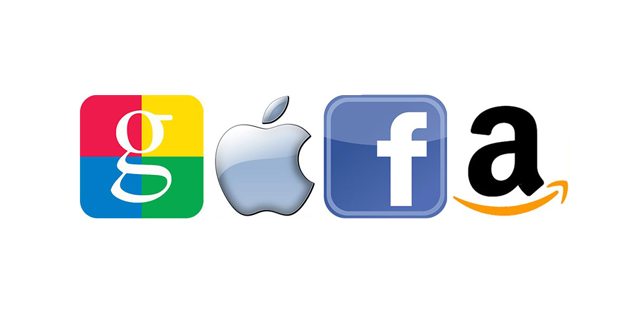
Washington is threatening to punish France for its GAFA* tax.
Do as I say, not as I do. That is how the attitude of the U.S. administration concerning international economic relations can be summarized. For two years, the United States has imposed numerous sanctions on its trade partners—against China, for example, which is accused of distorting competition with subsidies for its businesses or by manipulating its currency.
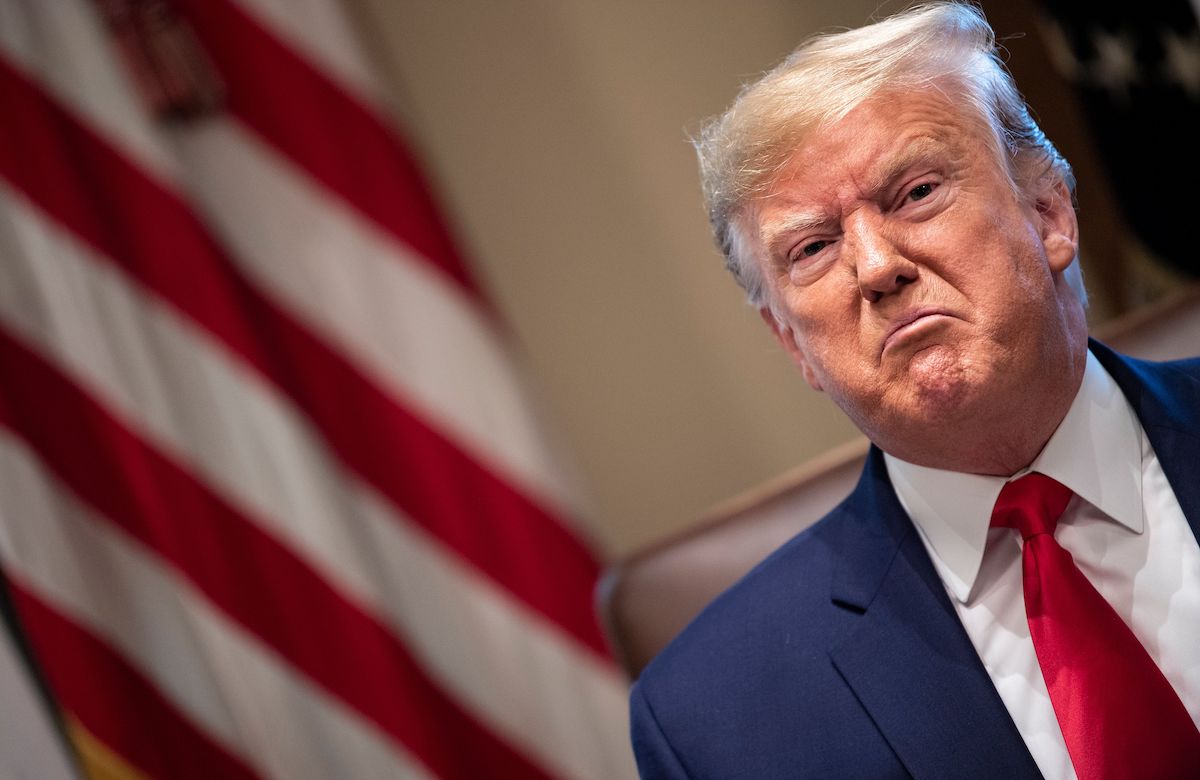
Yet for all that, America will not accept any other country doing the same. As soon as France decides tax digital platforms via what’s being called the GAFA tax, the American Goliath climbs onto its high horse and announces its decision to implement import tariffs of up to 100% on champagne, cheese and leather goods.
Donald Trump’s attitude speaks volumes about the influence of multinational companies like Google, Amazon or Facebook. Last August, in Biarritz, Donald Trump declared himself to be in favor of an international agreement to tax these companies before revealing himself to be far more reticent, and threatening France. On Tuesday in London, the American president and his French counterpart sought to play down the disagreement. It is nonetheless very real, and France will have to count on the support of its European partners so that the taxation of GAFA can move forward.
*Editor’s Note: Acronym for Google Apple Facebook Amazon
Previous article

Next article