
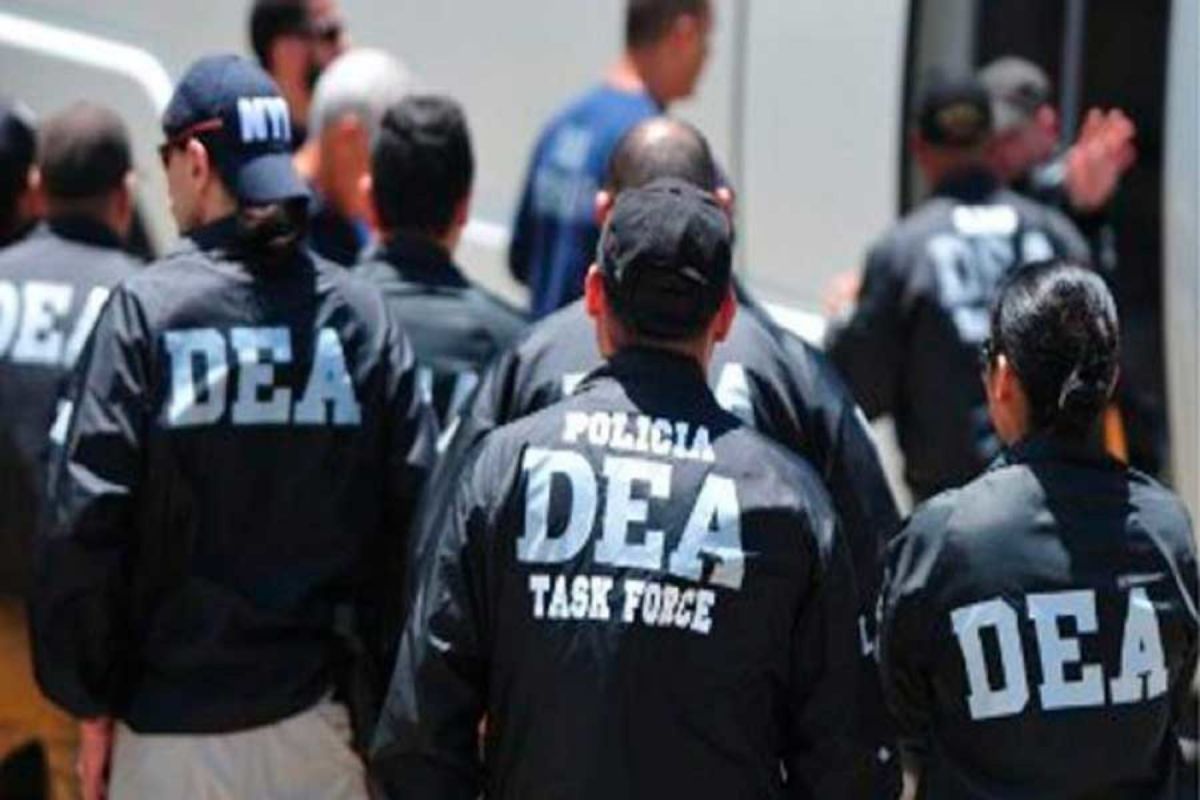
The DEA: Illicit Relationships
U.S. Sen. Chuck Grassley has condemned the fact that for the sake of facilitating its operations, the U.S. Drug Enforcement Agency has collaborated with Mexican officials since the 1980s, even though it knew they were corrupt and had links to organized crime. In so doing, the DEA put its own agents at risk and undermined the fight against drug trafficking over the long term.
The Republican senator cited the example of the DEA, which not only continued to work with Genaro García Luna*, but even kept that information secret from the U.S. Embassy in Mexico. Another high-profile case is that of the commander of one of the Sensitive Investigative Units (elite teams of Mexican police who are screened by Washington, and who work with U.S. agents). They presented him with awards and shared sensitive information with him, despite evidence that he was a member of that same criminal organization.
The report prepared at Sen. Grassley’s request is valuable in that it shows the type of people with whom the DEA was associating and the lack of scruples in its operations. However, it ignores the fact that corruption and illicit relationships have not only impacted Mexican officials, but have also drastically affected DEA agents and the agency leadership. This is a classic example of the Washington elite's double standard in tackling the problem of drug trafficking. The string of scandals that have hit the agency since it was created are overlooked. There is silence about the fact that after less than two months, Principal Deputy Administrator of the DEA Louis Milione had to step down when a journalist reported that he was working as a consultant to pharmaceutical companies linked to the opioid overdose crisis, where the current epidemic of fentanyl abuse got its start. The fact that the former DEA regional director for Mexico had socialized and vacationed with lawyers from Miami who were defending Latin American drug traffickers has also been overlooked; it cost him his job in March 2022. And that’s not to mention José Irizarry, a former DEA agent sentenced to 12 years in prison; he confessed to having stolen $9 million from the DEA, in addition to having accepted bribes from the people he was supposed to be pursuing and having been involved in money laundering, all to provide himself with an international life of luxury. Irizarry said that in his years-long criminal career, dozens of federal agents, prosecutors and informants went along with him.
Despite all this history, Todd Robinson, assistant secretary of state for international narcotics and law enforcement affairs, admitted yesterday that the Joe Biden administration has been putting pressure on Andrés Manuel López Obrador’s government to cave in to the DEA’s demands. Clearly, Mexico must vigorously reject these pressures and minimize its cooperation with an agency that has fallen into disrepute, whose true mission was never to slow the flow of drugs, but rather to serve as a vehicle for U.S. interference in Mexico’s internal affairs.
In this context, it is worth remembering the Mexican federal government’s success in dissolving an SIU at the beginning of López Obrador’s six-year term as president. This decision has been harshly criticized by Washington and also by the political, media and business opposition in Mexico, who are protesting a return to the recent past, when the Institutional Revolutionary Party and the National Action Party surrendered national sovereignty and let the DEA operate in Mexico without any controls. It is to be hoped that that abject oligarchy will not return to power and that Mexico will never again submit to the dictates of a foreign government’s agencies.
*Translator’s Note: Genaro García Luna, minister of public security in the federal cabinet of Mexican President Felipe Calderón from 2006 to 2012, was convicted in the U.S. for taking millions of dollars from the Sinaloa drug cartel, Mexico’s largest crime syndicate.
The Republican senator cited the example of the DEA, which not only continued to work with Genaro García Luna*, but even kept that information secret from the U.S. Embassy in Mexico. Another high-profile case is that of the commander of one of the Sensitive Investigative Units (elite teams of Mexican police who are screened by Washington, and who work with U.S. agents). They presented him with awards and shared sensitive information with him, despite evidence that he was a member of that same criminal organization.
The report prepared at Sen. Grassley’s request is valuable in that it shows the type of people with whom the DEA was associating and the lack of scruples in its operations. However, it ignores the fact that corruption and illicit relationships have not only impacted Mexican officials, but have also drastically affected DEA agents and the agency leadership. This is a classic example of the Washington elite's double standard in tackling the problem of drug trafficking. The string of scandals that have hit the agency since it was created are overlooked. There is silence about the fact that after less than two months, Principal Deputy Administrator of the DEA Louis Milione had to step down when a journalist reported that he was working as a consultant to pharmaceutical companies linked to the opioid overdose crisis, where the current epidemic of fentanyl abuse got its start. The fact that the former DEA regional director for Mexico had socialized and vacationed with lawyers from Miami who were defending Latin American drug traffickers has also been overlooked; it cost him his job in March 2022. And that’s not to mention José Irizarry, a former DEA agent sentenced to 12 years in prison; he confessed to having stolen $9 million from the DEA, in addition to having accepted bribes from the people he was supposed to be pursuing and having been involved in money laundering, all to provide himself with an international life of luxury. Irizarry said that in his years-long criminal career, dozens of federal agents, prosecutors and informants went along with him.
Despite all this history, Todd Robinson, assistant secretary of state for international narcotics and law enforcement affairs, admitted yesterday that the Joe Biden administration has been putting pressure on Andrés Manuel López Obrador’s government to cave in to the DEA’s demands. Clearly, Mexico must vigorously reject these pressures and minimize its cooperation with an agency that has fallen into disrepute, whose true mission was never to slow the flow of drugs, but rather to serve as a vehicle for U.S. interference in Mexico’s internal affairs.
In this context, it is worth remembering the Mexican federal government’s success in dissolving an SIU at the beginning of López Obrador’s six-year term as president. This decision has been harshly criticized by Washington and also by the political, media and business opposition in Mexico, who are protesting a return to the recent past, when the Institutional Revolutionary Party and the National Action Party surrendered national sovereignty and let the DEA operate in Mexico without any controls. It is to be hoped that that abject oligarchy will not return to power and that Mexico will never again submit to the dictates of a foreign government’s agencies.
*Translator’s Note: Genaro García Luna, minister of public security in the federal cabinet of Mexican President Felipe Calderón from 2006 to 2012, was convicted in the U.S. for taking millions of dollars from the Sinaloa drug cartel, Mexico’s largest crime syndicate.
Previous article
Next article
