Trump’s Fault
Published in Frankfurter Allgemeine Zeitung
(Germany) on 18 March 2025
by Nikolas Busse (link to
original)
The fact that Donald Trump can afford to exercise more military strength against the Houthis is because Israel is under less threat. Trump has worsened his position relative to Iran, however.
The reason why Donald Trump can take a harder tack against the Houthis than Joe Biden did has nothing to do with the change in administration, even if Trump wants people to think it does. The threat to Israel has declined significantly because Hamas and Hezbollah have weakened, which is connected to the fact that Iran has lost ground in Syria. The Yemeni terrorist organization is now more a self-contained problem than an arm in Tehran’s shadow army against the Jewish state.
In the End, It’s About the Nuclear Program
As a result, Trump can afford to exercise more military strength than his predecessor. Even with a more extended bombardment, there is no guarantee that he can erase the threat to shipping in the Red Sea while attacking only from the air. You can weaken militias this way, but you cannot always extinguish them, as many civil wars have demonstrated.
Trump also wants people to understand his actions as a warning to Iran. Accordingly, the issue is not just about terrorism; it is, in the end, about the nuclear program.
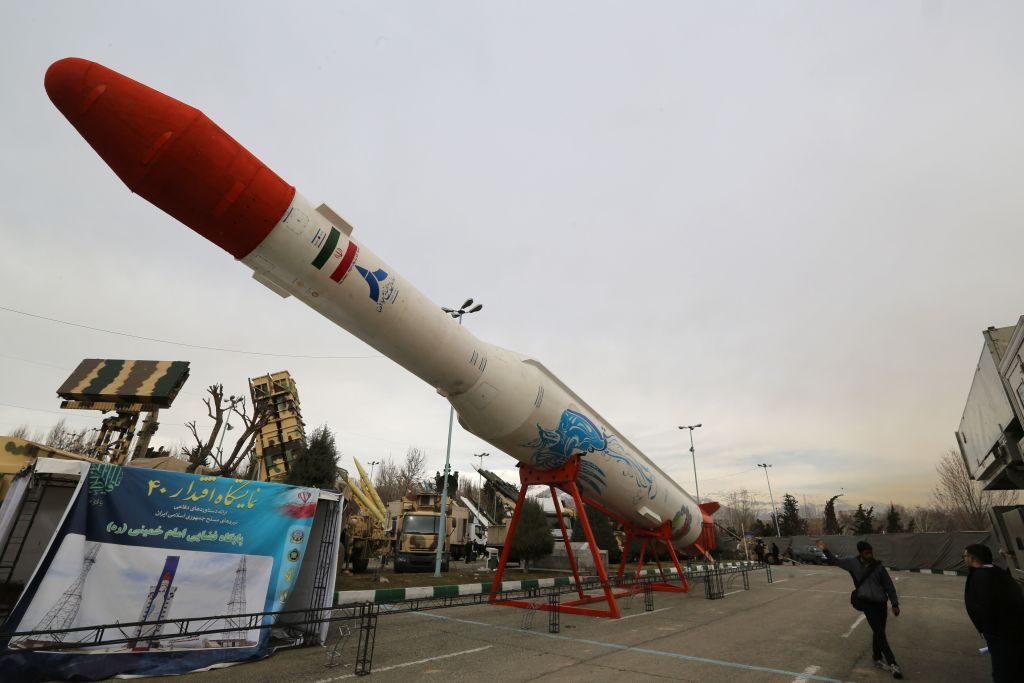
It's Trump's fault that Iran already has gathered almost all the ingredients for an atomic bomb. If he had not unilaterally canceled the nuclear agreement during his first administration, we could probably still enforce the strict restrictions around Iran’s nuclear program. Instead, his security advisor needs to emphasize again that all options are on the table, including military options.
The reason why Donald Trump can take a harder tack against the Houthis than Joe Biden did has nothing to do with the change in administration, even if Trump wants people to think it does. The threat to Israel has declined significantly because Hamas and Hezbollah have weakened, which is connected to the fact that Iran has lost ground in Syria. The Yemeni terrorist organization is now more a self-contained problem than an arm in Tehran’s shadow army against the Jewish state.
In the End, It’s About the Nuclear Program
As a result, Trump can afford to exercise more military strength than his predecessor. Even with a more extended bombardment, there is no guarantee that he can erase the threat to shipping in the Red Sea while attacking only from the air. You can weaken militias this way, but you cannot always extinguish them, as many civil wars have demonstrated.
Trump also wants people to understand his actions as a warning to Iran. Accordingly, the issue is not just about terrorism; it is, in the end, about the nuclear program.
It's Trump's fault that Iran already has gathered almost all the ingredients for an atomic bomb. If he had not unilaterally canceled the nuclear agreement during his first administration, we could probably still enforce the strict restrictions around Iran’s nuclear program. Instead, his security advisor needs to emphasize again that all options are on the table, including military options.
Previous article
Next article