
Another Threat from Trump
Europe needs to prepare for a long period of the U.S. president’s current negotiation strategy
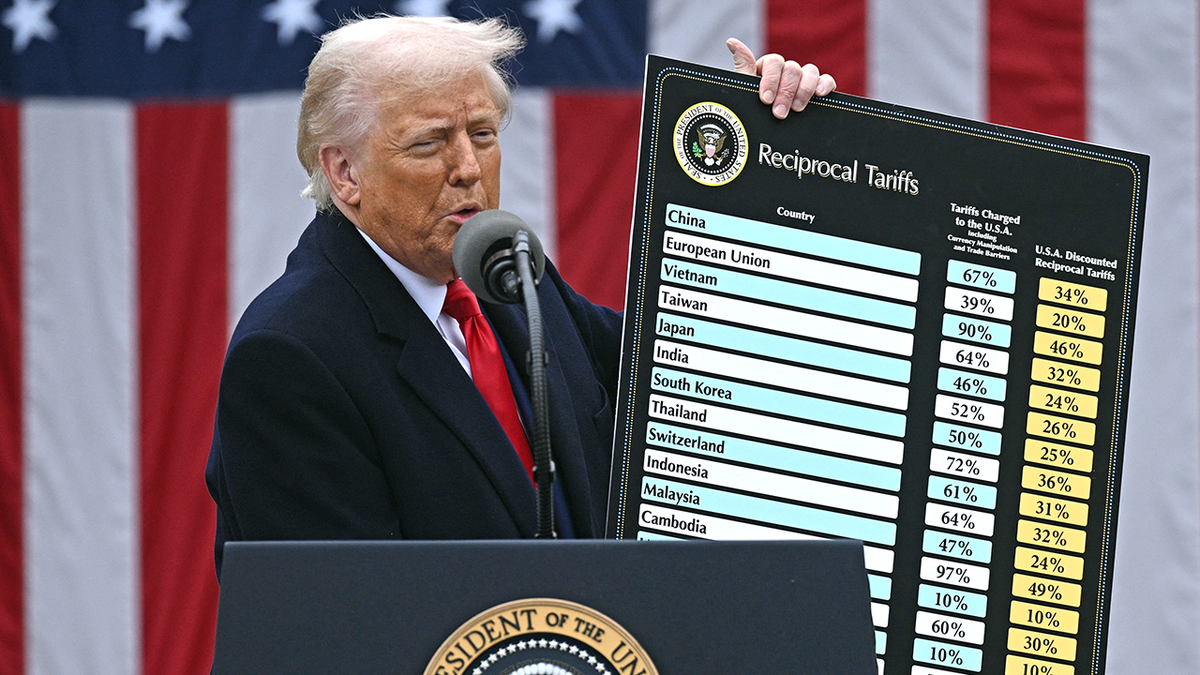
U.S. President Donald Trump has extended the temporary suspension of reciprocal tariffs until Aug. 1, while threatening various trading partners, such as the European Union, Mexico, Canada and Japan with even tougher tariffs on their products than those announced on April 2. This new deferral is, in itself, an acknowledgement that negotiating trade agreements takes time and that it’s not possible to just whip up deals about such complex matters.
Despite his haranguing, during this time Trump has barely been able to agree to a trade framework with the United Kingdom and another with Vietnam. He has also signed a provisional deal with Beijing that reduces the taxes on Chinese exports from 145% to 30% and those on U.S. products from 125% to 10%. The increased U.S. dependence on critical minerals from China weakens its negotiating position, whether Trump admits it or not.
The EU has also decided to postpone its retaliatory measures that were to come into force this Monday in the hope of reaching an agreement within the next few weeks. However, the new tariff threat of 30% has poured cold water on Brussels, which is once more paying the price of the disparity of interests — depending on the products concerned — among the 27 member states.
Even though Trump's rhetoric is increasing uncertainty among businesses, consumers and policy makers, the markets are becoming increasingly calm in the face of the Republican head of state’s onslaughts. They appear to be waiting to see what measures end up being brought into force and letting the threats pass, which increases the risk of a major correction at that time. But for now, Trump trusts that he can push hard during negotiations without the stock market or the dollar forcing him to step carefully.
The strategy of threats and postponements also has a high internal component. Trump is looking to convey to his electoral base the image of a president prepared to play hardball to secure good deals for the U.S. This strategy will be worthwhile for him as long as consumers don’t suffer the consequences in the form of higher prices, which could start to materialize within the next few months.
Even so, the escalation isn’t going to stop. The new objectives seem to be aimed at specific products, sch as copper and medicine. But also, as paradoxical as it may seem, toward purposes that have nothing to do with trade. Trump has threatened Brazil with a 50% tariff for taking their ex-president and Trump ally Jair Bolsonaro to court for his role in the attempted coup in 2023. Yesterday, he also announced 100% tariffs on Moscow if it didn’t put an end to the war in Ukraine, despite the fact that Russia and the U.S. barely have an economic relationship anymore. It’s always best to avoid conflict, but that’s how the U.S. president understands international policy. Like the rest of the world, Europe needs to prepare for this long-term scenario.
U.S. President Donald Trump has extended the temporary suspension of reciprocal tariffs until Aug. 1, while threatening various trading partners, such as the European Union, Mexico, Canada and Japan with even tougher tariffs on their products than those announced on April 2. This new deferral is, in itself, an acknowledgement that negotiating trade agreements takes time and that it’s not possible to just whip up deals about such complex matters.
Despite his haranguing, during this time Trump has barely been able to agree to a trade framework with the United Kingdom and another with Vietnam. He has also signed a provisional deal with Beijing that reduces the taxes on Chinese exports from 145% to 30% and those on U.S. products from 125% to 10%. The increased U.S. dependence on critical minerals from China weakens its negotiating position, whether Trump admits it or not.
The EU has also decided to postpone its retaliatory measures that were to come into force this Monday in the hope of reaching an agreement within the next few weeks. However, the new tariff threat of 30% has poured cold water on Brussels, which is once more paying the price of the disparity of interests — depending on the products concerned — among the 27 member states.
Even though Trump's rhetoric is increasing uncertainty among businesses, consumers and policy makers, the markets are becoming increasingly calm in the face of the Republican head of state’s onslaughts. They appear to be waiting to see what measures end up being brought into force and letting the threats pass, which increases the risk of a major correction at that time. But for now, Trump trusts that he can push hard during negotiations without the stock market or the dollar forcing him to step carefully.
The strategy of threats and postponements also has a high internal component. Trump is looking to convey to his electoral base the image of a president prepared to play hardball to secure good deals for the U.S. This strategy will be worthwhile for him as long as consumers don’t suffer the consequences in the form of higher prices, which could start to materialize within the next few months.
Even so, the escalation isn’t going to stop. The new objectives seem to be aimed at specific products, sch as copper and medicine. But also, as paradoxical as it may seem, toward purposes that have nothing to do with trade. Trump has threatened Brazil with a 50% tariff for taking their ex-president and Trump ally Jair Bolsonaro to court for his role in the attempted coup in 2023. Yesterday, he also announced 100% tariffs on Moscow if it didn’t put an end to the war in Ukraine, despite the fact that Russia and the U.S. barely have an economic relationship anymore. It’s always best to avoid conflict, but that’s how the U.S. president understands international policy. Like the rest of the world, Europe needs to prepare for this long-term scenario.
Previous article

Next article