

Maduro Warns US: ‘They Will Never Be Able To Remove Us’
Venezuelan President Nicolás Maduro assured a massive crowd in front of the Miraflores Palace on Monday that they will never be able to remove him from office and that he will never fail Commander Hugo Chávez (1954-2013) or the people.
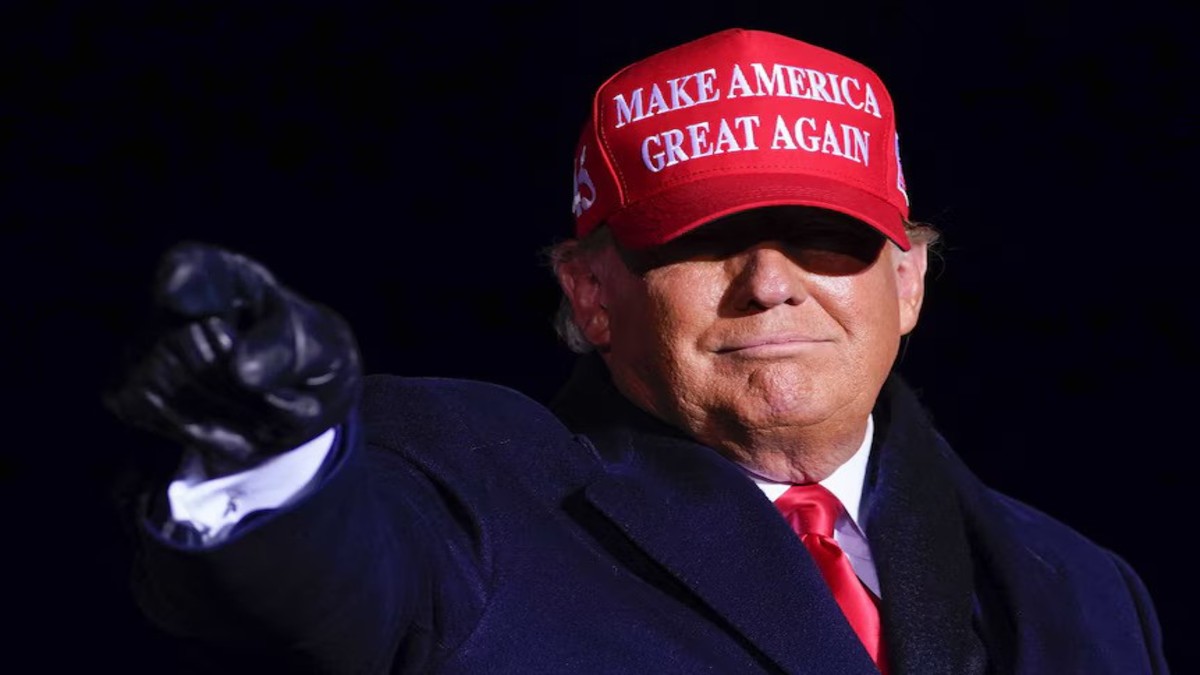
The remarks come amid heightened threats from the administration of Donald Trump, his U.S. counterpart, who said two days ago that he would “very soon” order ground attacks against what he calls the “Venezuelan drug traffickers” he has repeatedly associated with the Venezuelan government.
Maduro and Trump spoke by phone a little over a week ago. Although details of that conversation have not been disclosed, there is speculation that Washington asked Maduro to step down. That is why the Bolivarian leader’s statements are particularly important.
“They have not moved us, with their psychological terrorism, even an inch from the right path that we must always follow; never, whatever circumstances we may face, will they ever move us from the path of building the powerful homeland that this people deserves. They will never be able to move us,” he exclaimed before thousands of United Socialist Party of Venezuela members.
Maduro also said that during the 22-week U.S. siege against his country, the Venezuelan people have been tested and are now “at a point of comprehensive defensive capability that we have never had before,” asserting that Venezuela does not want the “peace of slaves.”
He assured his audience that the Venezuelan people are ready to fight for their country, noting that during the voluntary enlistment and training sessions, more than 6.2 million militiamen and militiawomen enlisted and are prepared.
The atmosphere in Venezuela has become more tense since Trump declared the closure of Venezuelan airspace, leading some to speculate about a possible imminent attack. However, the government has guaranteed the continuity of all national activities, including air services.
Parliamentary Investigation
A National Assembly session to appoint a parliamentary commission to investigate the deaths of Venezuelan fishermen under attack by U.S. military forces in the Caribbean — scheduled to take place on Monday — was moved to Tuesday, Dec. 2, and thus will take place within the regular session calendar.
Interests on the Ground
Since Trump came to power last January, relations between the United States and Venezuela have deteriorated rapidly, following the Biden administration's steps toward dialogue to allow the easing of some economic sanctions. This is the case with licenses granted to the U.S. oil company, Chevron, which has been doing business in the country for more than a century and continues to produce U.S. capital in Venezuela. In fact, Trump suspended that license, only to later replace it with another — one of a confidential nature.
Currently, Chevron produces approximately 240,000 barrels of oil per day in Venezuela, of which it sends 111,150 barrels per day to the United States, according to data from the U.S. Department of Energy. In addition, Chevron's investments in the country are estimated at $10 billion, with plans extending until at least 2047.
The remarks come amid heightened threats from the administration of Donald Trump, his U.S. counterpart, who said two days ago that he would “very soon” order ground attacks against what he calls the “Venezuelan drug traffickers” he has repeatedly associated with the Venezuelan government.
Maduro and Trump spoke by phone a little over a week ago. Although details of that conversation have not been disclosed, there is speculation that Washington asked Maduro to step down. That is why the Bolivarian leader’s statements are particularly important.
“They have not moved us, with their psychological terrorism, even an inch from the right path that we must always follow; never, whatever circumstances we may face, will they ever move us from the path of building the powerful homeland that this people deserves. They will never be able to move us,” he exclaimed before thousands of United Socialist Party of Venezuela members.
Maduro also said that during the 22-week U.S. siege against his country, the Venezuelan people have been tested and are now “at a point of comprehensive defensive capability that we have never had before,” asserting that Venezuela does not want the “peace of slaves.”
He assured his audience that the Venezuelan people are ready to fight for their country, noting that during the voluntary enlistment and training sessions, more than 6.2 million militiamen and militiawomen enlisted and are prepared.
The atmosphere in Venezuela has become more tense since Trump declared the closure of Venezuelan airspace, leading some to speculate about a possible imminent attack. However, the government has guaranteed the continuity of all national activities, including air services.
Parliamentary Investigation
A National Assembly session to appoint a parliamentary commission to investigate the deaths of Venezuelan fishermen under attack by U.S. military forces in the Caribbean — scheduled to take place on Monday — was moved to Tuesday, Dec. 2, and thus will take place within the regular session calendar.
Interests on the Ground
Since Trump came to power last January, relations between the United States and Venezuela have deteriorated rapidly, following the Biden administration's steps toward dialogue to allow the easing of some economic sanctions. This is the case with licenses granted to the U.S. oil company, Chevron, which has been doing business in the country for more than a century and continues to produce U.S. capital in Venezuela. In fact, Trump suspended that license, only to later replace it with another — one of a confidential nature.
Currently, Chevron produces approximately 240,000 barrels of oil per day in Venezuela, of which it sends 111,150 barrels per day to the United States, according to data from the U.S. Department of Energy. In addition, Chevron's investments in the country are estimated at $10 billion, with plans extending until at least 2047.
Previous article
Next article
 "Head-on | White Christian Nationalism Can Return America to Its Third World Roots")