
Peace Is 1 of the Versions: New Elements of War with Iran
Another player has joined the war — the Yemeni Houthis. Preparations for negotiations are underway, but Iran is very distrustful of Trump. This could still be an even worse war for the U.S.
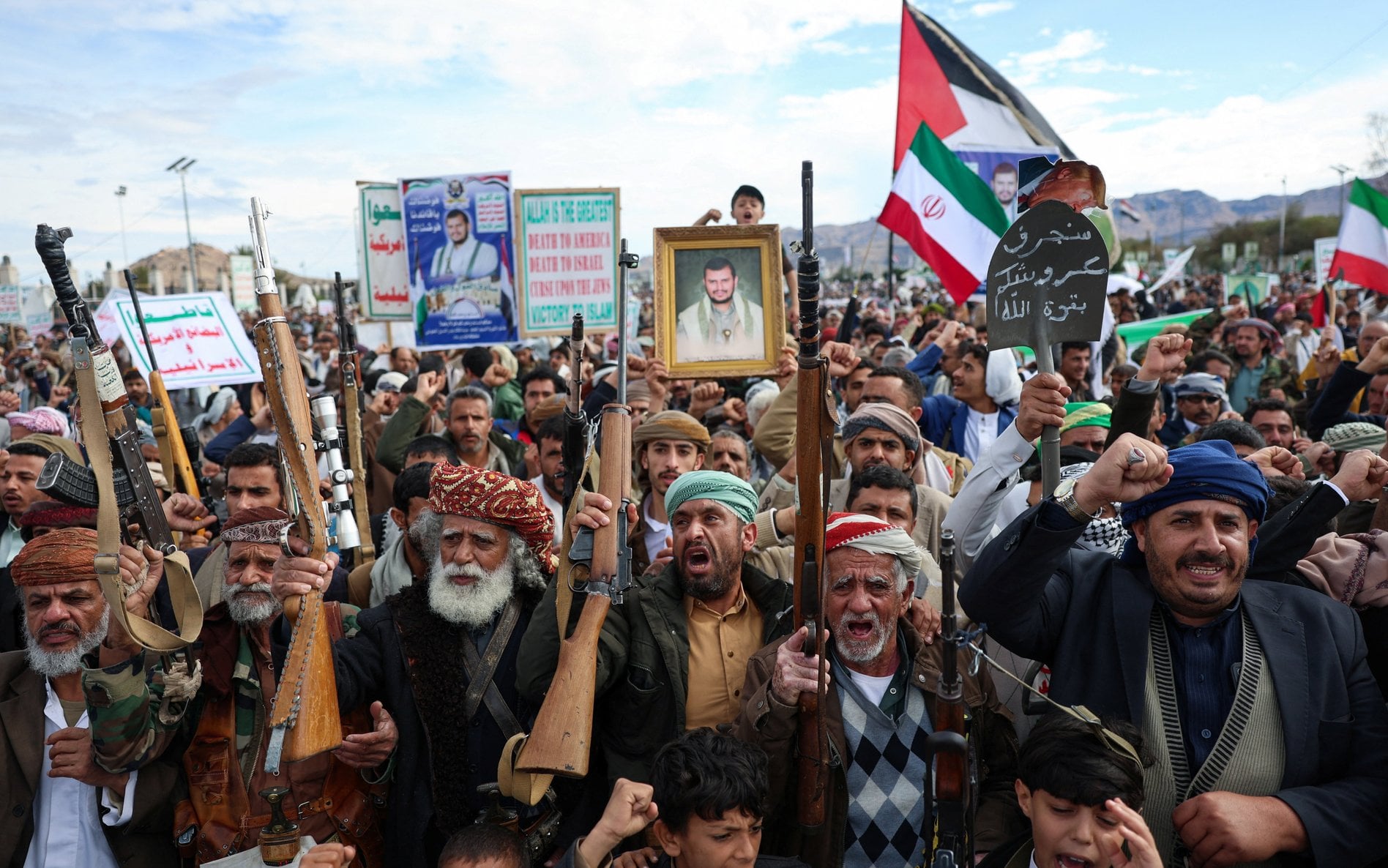
For four weeks, pro-Iranian Houthis waited to decide on military support for the regime of the ayatollah, which the Americans and Israelis attacked on Feb. 28. On Saturday, they aimed their first ballistic missile at Israel, and, after a few hours, another one with the support of drones.
They boastfully announced that the target was a significant military facility in southern Israel. But, one could say, traditionally — because it was similar to other Houthi attacks in the last two years — the Israelis were successful in intercepting missiles from distant Yemen.
That doesn’t mean, however, that the entry of a new participant in the war doesn’t risk spreading the conflict or isn’t another problem for Donald Trump. The Houthis, who have ruled the capital, Sana'a, and most of Yemen's most densely populated territory in the northwest for nearly 12 years, should theoretically have been defeated long ago. They seem so backward, and Yemen is, in addition, the poorest Arab country and one of the poorest in the world. Neither the wealthy Saudis, along with their coalitions from several Arab states, succeeded in this despite years of attempts — nor did the Americans or Israelis, who repeatedly bombed the Houthis.
The survival of the Houthi movement, which is close to Iran's Shiites and whose ambitions once focused on a single Yemeni province, is astonishing. It seems that they are still able, not for the first time, to open a front in a particularly sensitive place for the world economy — by attacking ships passing through the Red Sea.
New Element of War. Attacks on US Targets in Europe?
It seems that another element, feared since the beginning of the war, has now come into play. On European territory. Early Saturday morning there was an attempted attack in Paris, described as "potentially" terrorist. A man, apprehended by the police, allegedly wanted to detonate a bomb in front of the Paris branch of Bank of America headquarters (the second-largest banking institution in the U.S.); the Elysee Palace is a few streets away.
French Interior Minister Laurent Nuñez linked the attack "to the current international context," suggesting it could be retaliation against a U.S.-linked target.
What's Next? More Than Just the US–Iran Negotiations
After Trump extended the ultimatum for the regime to reopen the Strait of Hormuz — pushing the threat of strikes on Iranian power plants to the night of April 6-7 — we are now seeing several significant developments unfold simultaneously. The Israelis are trying to destroy as many of the regime's key facilities as they can in order to weaken the Islamic Republic of Iran as much as possible before peace comes.
The Iranians continue to fire individual rockets at Israel. At the same time, they are threatening attacks on a new kind of U.S.-related target in the Middle East — universities in Gulf countries that have American partners. That would be in retaliation for the bombing of two universities in Iran.
The Americans, meanwhile, are preparing for a possible land attack on Khark Island, crucial to Iran’s oil industry, and perhaps on other parts of the Iranian coastline along the Persian Gulf. Although they still claim — and we can believe them, since the war does not boost Trump's popularity at home — that they are focused on peace. In the coming weeks, not months.
There are signs of movement in the negotiations. Not only Pakistan — which has been tapped in recent days as the likely organizer — is involved in preparing the U.S.–Iran summit, or near-summit, since it will take place without Trump but with Vice President JD Vance. Since Sunday, the Pakistanis have been handling this in Islamabad, along with the Turks, Egyptians and Saudis.
The hosts (acting as the main intermediary) are in contact with the Iranians by phone. Still, the most likely partner to meet Vance is the head of the Iranian parliament, Mohammad-Bagher Ghalibaf, one of the most important figures of the regime, who is rather close to its most hard-line wing. Ghalibaf has been a vocal critic of Trump. He likes to repeat his remark about the U.S. president's war effectiveness: "He managed to close the Strait of Hormuz, which was open before the attack."
The Ayatollah Regime Is Suspicious of Trump. ‘We Worked on the Plan of Defense against Americans during the Terms of 4 or 5 US Presidents.'
The overthrow of a regime that represses citizens no longer appears among the real goals of this war. And the regime itself feels strong enough to demand war reparations from Americans and the recognition of the Strait of Hormuz as Iranian as conditions to end it.
The U.S. 15-point peace plan is seen by the Iranians as a repetition of pre-war demands. And "after it started, everything has changed," a representative of the authorities in Tehran tells me. "Trump should show more flexibility because he is stuck in a dead end, especially in the Strait of Hormuz." Iran does not agree to "give up everything" — from uranium enrichment to a missile system.
My interlocutor admits that attempts are being made to end the war, but he doesn't call them "negotiations," as Trump does, but "exchanging messages" (through intermediaries). But after two wars started by the Americans during negotiations with Iran (in June last year and a month ago), there is little trust in them.
If nothing comes of the peace talks, the Iranians will "defend themselves and resist" for a long time. "We have been preparing for this for 20 years; during the terms of four or five U.S. presidents, we worked on this plan, and Americans thought that they would change power in a few days," my interlocutor added.
For four weeks, pro-Iranian Houthis waited to decide on military support for the regime of the ayatollah, which the Americans and Israelis attacked on Feb. 28. On Saturday, they aimed their first ballistic missile at Israel, and, after a few hours, another one with the support of drones.
They boastfully announced that the target was a significant military facility in southern Israel. But, one could say, traditionally — because it was similar to other Houthi attacks in the last two years — the Israelis were successful in intercepting missiles from distant Yemen.
That doesn’t mean, however, that the entry of a new participant in the war doesn’t risk spreading the conflict or isn’t another problem for Donald Trump. The Houthis, who have ruled the capital, Sana'a, and most of Yemen's most densely populated territory in the northwest for nearly 12 years, should theoretically have been defeated long ago. They seem so backward, and Yemen is, in addition, the poorest Arab country and one of the poorest in the world. Neither the wealthy Saudis, along with their coalitions from several Arab states, succeeded in this despite years of attempts — nor did the Americans or Israelis, who repeatedly bombed the Houthis.
The survival of the Houthi movement, which is close to Iran's Shiites and whose ambitions once focused on a single Yemeni province, is astonishing. It seems that they are still able, not for the first time, to open a front in a particularly sensitive place for the world economy — by attacking ships passing through the Red Sea.
New Element of War. Attacks on US Targets in Europe?
It seems that another element, feared since the beginning of the war, has now come into play. On European territory. Early Saturday morning there was an attempted attack in Paris, described as "potentially" terrorist. A man, apprehended by the police, allegedly wanted to detonate a bomb in front of the Paris branch of Bank of America headquarters (the second-largest banking institution in the U.S.); the Elysee Palace is a few streets away.
French Interior Minister Laurent Nuñez linked the attack "to the current international context," suggesting it could be retaliation against a U.S.-linked target.
What's Next? More Than Just the US–Iran Negotiations
After Trump extended the ultimatum for the regime to reopen the Strait of Hormuz — pushing the threat of strikes on Iranian power plants to the night of April 6-7 — we are now seeing several significant developments unfold simultaneously. The Israelis are trying to destroy as many of the regime's key facilities as they can in order to weaken the Islamic Republic of Iran as much as possible before peace comes.
The Iranians continue to fire individual rockets at Israel. At the same time, they are threatening attacks on a new kind of U.S.-related target in the Middle East — universities in Gulf countries that have American partners. That would be in retaliation for the bombing of two universities in Iran.
The Americans, meanwhile, are preparing for a possible land attack on Khark Island, crucial to Iran’s oil industry, and perhaps on other parts of the Iranian coastline along the Persian Gulf. Although they still claim — and we can believe them, since the war does not boost Trump's popularity at home — that they are focused on peace. In the coming weeks, not months.
There are signs of movement in the negotiations. Not only Pakistan — which has been tapped in recent days as the likely organizer — is involved in preparing the U.S.–Iran summit, or near-summit, since it will take place without Trump but with Vice President JD Vance. Since Sunday, the Pakistanis have been handling this in Islamabad, along with the Turks, Egyptians and Saudis.
The hosts (acting as the main intermediary) are in contact with the Iranians by phone. Still, the most likely partner to meet Vance is the head of the Iranian parliament, Mohammad-Bagher Ghalibaf, one of the most important figures of the regime, who is rather close to its most hard-line wing. Ghalibaf has been a vocal critic of Trump. He likes to repeat his remark about the U.S. president's war effectiveness: "He managed to close the Strait of Hormuz, which was open before the attack."
The Ayatollah Regime Is Suspicious of Trump. ‘We Worked on the Plan of Defense against Americans during the Terms of 4 or 5 US Presidents.'
The overthrow of a regime that represses citizens no longer appears among the real goals of this war. And the regime itself feels strong enough to demand war reparations from Americans and the recognition of the Strait of Hormuz as Iranian as conditions to end it.
The U.S. 15-point peace plan is seen by the Iranians as a repetition of pre-war demands. And "after it started, everything has changed," a representative of the authorities in Tehran tells me. "Trump should show more flexibility because he is stuck in a dead end, especially in the Strait of Hormuz." Iran does not agree to "give up everything" — from uranium enrichment to a missile system.
My interlocutor admits that attempts are being made to end the war, but he doesn't call them "negotiations," as Trump does, but "exchanging messages" (through intermediaries). But after two wars started by the Americans during negotiations with Iran (in June last year and a month ago), there is little trust in them.
If nothing comes of the peace talks, the Iranians will "defend themselves and resist" for a long time. "We have been preparing for this for 20 years; during the terms of four or five U.S. presidents, we worked on this plan, and Americans thought that they would change power in a few days," my interlocutor added.
Previous article
