
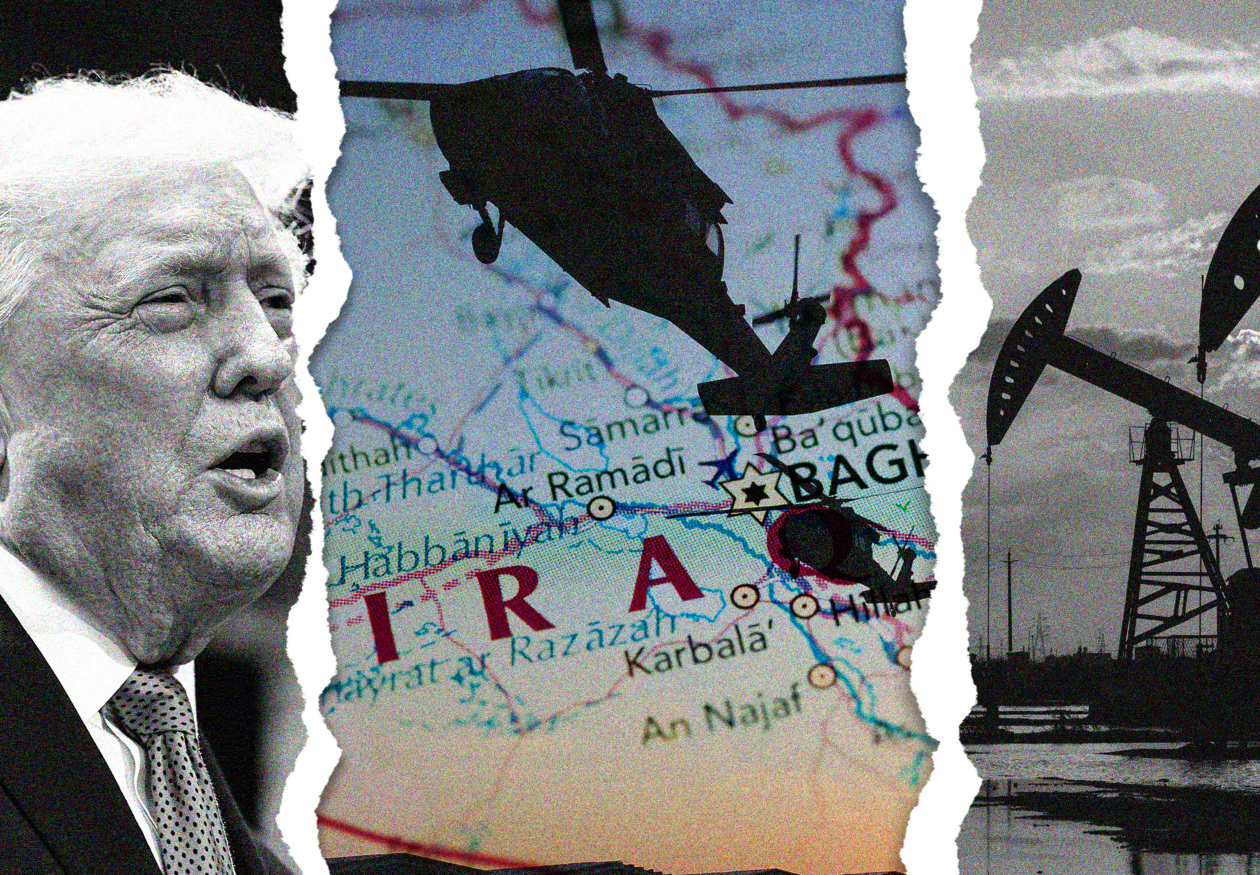
His Mess: Trump Can’t Find a Way Out of the Conflict in Iran
Published in Frankfurter Allgemeine Zeitung
(Germany) on 28 May 2026
by Andreas Schwarzkopf (link to
original)
U.S. President Donald Trump needs to succeed in negotiations in order to get out of the conflict with Iran.
The administration of Donald Trump and the mullah regime will only reach an agreement when neither believes it can still decide the conflict in its favor. Unfortunately, it doesn’t look that way. Out of necessity, everyone has long become accustomed to this bad news.
Both parties may be under pressure, but President Trump needs a convincing win at the negotiating table to get out of the mess without losing face, for which he has only himself to blame. He doesn’t have a military option because that would cause an even bigger disaster. Those ruling in Tehran know that. They aren’t conceding despite the verbal, martial threats, driving up the price. With the blocked Strait of Hormuz, they want to rescue their nuclear program on the one hand; on the other hand, they want to secure potential billions in reparations for damages from the war.
Of course, depending on one’s perspective, one can describe both sides as losers or winners. But that isn’t helpful. Trump, for example, can ignore his bad poll numbers as long as he continues to have the Republicans well under control. He isn’t on the ballot in the midterm elections, anyway. He will put the blame for what will probably be bad election results on the candidates. For the narcissist in the White House, others are always to blame.
Despite all the disagreement about the right tactics for dealing with Washington, the mullah regime is united on three things: It needs to retain power in order to survive. To that end, it is using all means to repress the opposition. It also needs the bogeymen U.S. and Israel for its own legitimization.
Its members probably fear a quick peace agreement. Then, they would need to return to attending to unresolved problems in the country. The economic situation is terrible, and the population is very unhappy with the mullahs. The war with the U.S. distracts from all that and causes segments of the population to show solidarity with the leaders. Another segment is keeping a low profile because the Revolutionary Guard has the country under control and is executing more and more people to create a chilling effect.
Iran War: What Would be Sensible Now
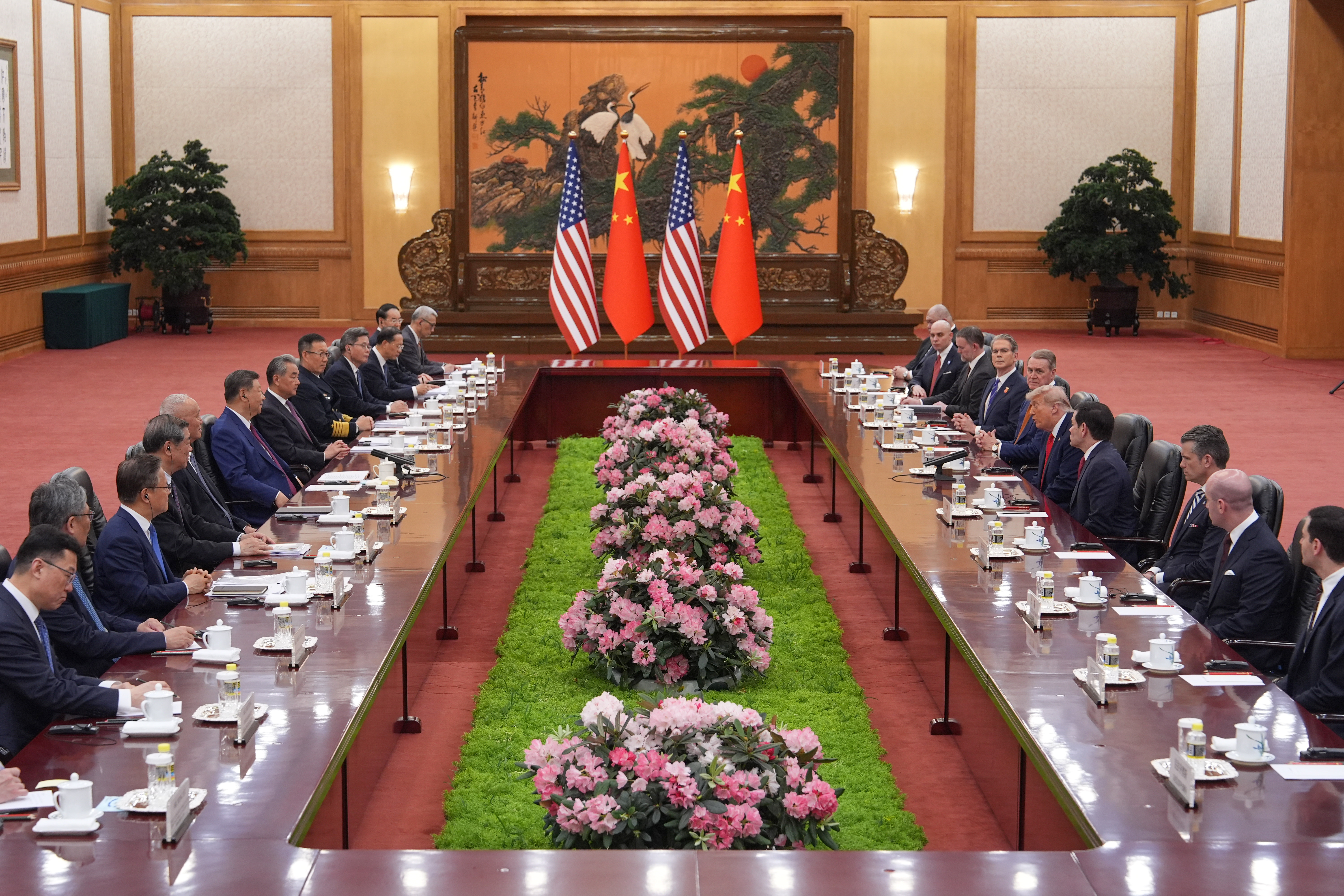
Despite it all, China is supporting the mullahs by buying their oil and thus meeting their energy needs. In any case, Trump left Beijing without having convinced Chinese President Xi Jinping to change course.
Complicating matters, the ceasefire that had previously been reached in Lebanon no longer plays a role in the negotiations between Washington and Tehran. At any rate, Israel, with maximum aggression, is again pursuing the goal of further weakening and pushing back Hezbollah in the nation of cedars. With correspondingly catastrophic consequences for the people in Lebanon.
Of course, it would be sensible for the parties in the conflict to quickly reach an agreement. If oil tankers were able to pass through the Strait of Hormuz once again, the economy in many countries would gradually recover from this shock. If the guns went silent not only between the U.S. and Iran, but also between the Israeli army and Iran-backed Hezbollah.
Then, the path would be clear to organize the post-war order and thus at least stabilize the region. It would also be feasible to return to the conflict between Israel and Hamas and the Palestinians, which has receded into the background. But all that has to wait.
The administration of Donald Trump and the mullah regime will only reach an agreement when neither believes it can still decide the conflict in its favor. Unfortunately, it doesn’t look that way. Out of necessity, everyone has long become accustomed to this bad news.
Both parties may be under pressure, but President Trump needs a convincing win at the negotiating table to get out of the mess without losing face, for which he has only himself to blame. He doesn’t have a military option because that would cause an even bigger disaster. Those ruling in Tehran know that. They aren’t conceding despite the verbal, martial threats, driving up the price. With the blocked Strait of Hormuz, they want to rescue their nuclear program on the one hand; on the other hand, they want to secure potential billions in reparations for damages from the war.
Of course, depending on one’s perspective, one can describe both sides as losers or winners. But that isn’t helpful. Trump, for example, can ignore his bad poll numbers as long as he continues to have the Republicans well under control. He isn’t on the ballot in the midterm elections, anyway. He will put the blame for what will probably be bad election results on the candidates. For the narcissist in the White House, others are always to blame.
Despite all the disagreement about the right tactics for dealing with Washington, the mullah regime is united on three things: It needs to retain power in order to survive. To that end, it is using all means to repress the opposition. It also needs the bogeymen U.S. and Israel for its own legitimization.
Its members probably fear a quick peace agreement. Then, they would need to return to attending to unresolved problems in the country. The economic situation is terrible, and the population is very unhappy with the mullahs. The war with the U.S. distracts from all that and causes segments of the population to show solidarity with the leaders. Another segment is keeping a low profile because the Revolutionary Guard has the country under control and is executing more and more people to create a chilling effect.
Iran War: What Would be Sensible Now
Despite it all, China is supporting the mullahs by buying their oil and thus meeting their energy needs. In any case, Trump left Beijing without having convinced Chinese President Xi Jinping to change course.
Complicating matters, the ceasefire that had previously been reached in Lebanon no longer plays a role in the negotiations between Washington and Tehran. At any rate, Israel, with maximum aggression, is again pursuing the goal of further weakening and pushing back Hezbollah in the nation of cedars. With correspondingly catastrophic consequences for the people in Lebanon.
Of course, it would be sensible for the parties in the conflict to quickly reach an agreement. If oil tankers were able to pass through the Strait of Hormuz once again, the economy in many countries would gradually recover from this shock. If the guns went silent not only between the U.S. and Iran, but also between the Israeli army and Iran-backed Hezbollah.
Then, the path would be clear to organize the post-war order and thus at least stabilize the region. It would also be feasible to return to the conflict between Israel and Hamas and the Palestinians, which has receded into the background. But all that has to wait.
Previous article
Next article
