Trump: The Last Week of August …
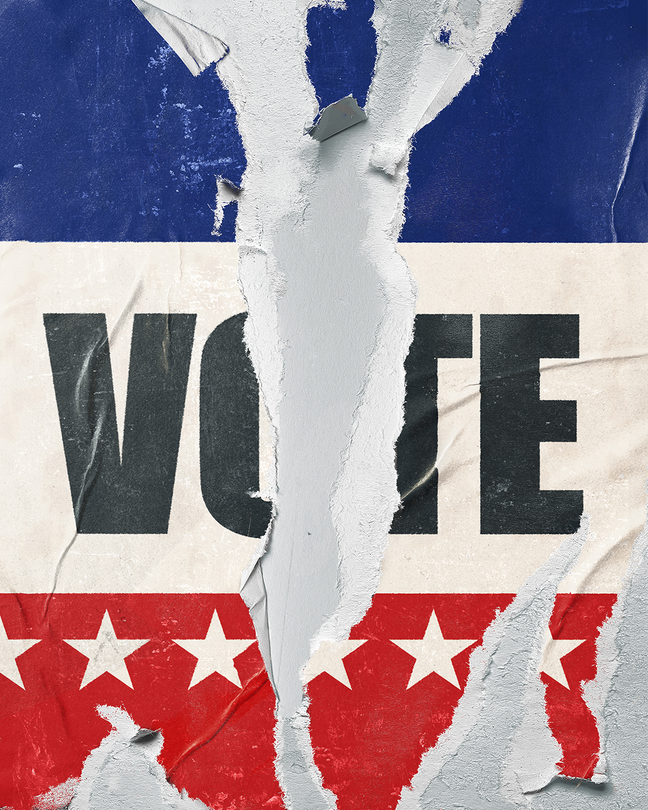
The U.S. president’s risky attempt to bend the rules: postponing the midterms.
“The president will issue a national emergency declaration in a few weeks. He is going to do it. The predicate is being laid perfectly. … Block the last week of August out. It’s coming.” These are the words of Steve Bannon, who is once again describing Donald Trump’s intention to prevent the midterm elections in November from taking place as scheduled.
Last Tuesday, the host of a far-right television program urged Trump to declare a national security emergency, and Trump did not dismiss the possibility.
The pretext would be the ongoing congressional impasse over the SAVE America Act and the unsubstantiated accusation that China stole the voter databases of 18 states and 220 million voters. On this basis, Trump would seek to use his executive authority to change election laws in his favor, a power the Constitution does not give him. Judges have repeatedly blocked his executive orders, finding them unconstitutional.
However, Trump is aware that his popularity is at an all-time low and that losing control not only of the House — which recent polls suggest is almost certain — but also of the Senate would have two consequences. First, it would make him a lame duck for the next two years. Second, it would open the door to impeachment proceedings, with no shortage of grounds.
I would therefore not underestimate Bannon’s threats, as has too often happened. Although he has been kept at a distance from the White House for reasons of political expediency, he has a solid understanding of how decisions are made in the Oval Office and considerable influence over them. For the past year, Trump’s people have been working to bring about this irresponsible move. These are the same people who ideologically fueled the campaign to declare Joe Biden’s election illegitimate, culminating in the infamous Capitol attack, after which more than 1,500 of those involved were granted presidential pardons early in Trump’s presidency.
If Bannon’s prediction were to come true, and Trump’s failure to deny the speculation means what we fear it does, we would be facing yet another attempt to push American society toward authoritarianism. After all, there are already countless signs of such a shift, obvious to anyone who isn’t blinded by partisan loyalty.
It would fundamentally alter the structure of the Western world, adding the United States to the unfortunately long and growing list of autocracies.
More than 400 former U.S. intelligence and national security officials have strongly and courageously warned of this risk. They wrote that the current occupant of the White House “is destroying U.S. democracy. We’re not even close to the worst.” One of them used a striking expression: “The guardrails were all taken down.”
Struggling with the state of the economy and battered by the failures of a reckless approach to major international conflicts, Trump risks resorting to a move that could plunge the United States into a dangerous state of tension. Benjamin Netanyahu did the same: Seeking to save himself while facing prosecution in his own country, he plunged an entire region into a conflict that has little to do with a legitimate reaction to the horrors of Oct. 7. Instead, it has become an attempt to annihilate a people and establish hegemony through military power, leaving no room for any peaceful solution. Months ago, I wrote about the movie “Civil War,” which imagines a modern day civil war in the United States. Today, the movie feels less like a work of fiction and more like a dystopian documentary. It is hard to imagine just how far tensions between the parties and within American society could escalate if the midterm elections were prevented by an abuse of executive power.
If American democracy is wavering under pressure from authoritarian impulses backed by the power of the digital world, the consequences will be felt far beyond Washington. No one should consider themselves immune to what could unfold in Washington in the coming weeks and months. If what we fear comes to pass, it would mark a definitive turning point for European politics, too. It would force us to rethink political divisions and alliances not based on where parties claim to stand, but on their genuine commitment to the fundamental values of democracy — foremost among them respect for voters’ choices and the free and fair conduct of elections.
There can be no ambiguity here. Not from the right, not from the left. Not tomorrow, not in Bannon's much-anticipated last week of August.
Now.
“The president will issue a national emergency declaration in a few weeks. He is going to do it. The predicate is being laid perfectly. … Block the last week of August out. It’s coming.” These are the words of Steve Bannon, who is once again describing Donald Trump’s intention to prevent the midterm elections in November from taking place as scheduled.
Last Tuesday, the host of a far-right television program urged Trump to declare a national security emergency, and Trump did not dismiss the possibility.
The pretext would be the ongoing congressional impasse over the SAVE America Act and the unsubstantiated accusation that China stole the voter databases of 18 states and 220 million voters. On this basis, Trump would seek to use his executive authority to change election laws in his favor, a power the Constitution does not give him. Judges have repeatedly blocked his executive orders, finding them unconstitutional.
However, Trump is aware that his popularity is at an all-time low and that losing control not only of the House — which recent polls suggest is almost certain — but also of the Senate would have two consequences. First, it would make him a lame duck for the next two years. Second, it would open the door to impeachment proceedings, with no shortage of grounds.
I would therefore not underestimate Bannon’s threats, as has too often happened. Although he has been kept at a distance from the White House for reasons of political expediency, he has a solid understanding of how decisions are made in the Oval Office and considerable influence over them. For the past year, Trump’s people have been working to bring about this irresponsible move. These are the same people who ideologically fueled the campaign to declare Joe Biden’s election illegitimate, culminating in the infamous Capitol attack, after which more than 1,500 of those involved were granted presidential pardons early in Trump’s presidency.
If Bannon’s prediction were to come true, and Trump’s failure to deny the speculation means what we fear it does, we would be facing yet another attempt to push American society toward authoritarianism. After all, there are already countless signs of such a shift, obvious to anyone who isn’t blinded by partisan loyalty.
It would fundamentally alter the structure of the Western world, adding the United States to the unfortunately long and growing list of autocracies.
More than 400 former U.S. intelligence and national security officials have strongly and courageously warned of this risk. They wrote that the current occupant of the White House “is destroying U.S. democracy. We’re not even close to the worst.” One of them used a striking expression: “The guardrails were all taken down.”
Struggling with the state of the economy and battered by the failures of a reckless approach to major international conflicts, Trump risks resorting to a move that could plunge the United States into a dangerous state of tension. Benjamin Netanyahu did the same: Seeking to save himself while facing prosecution in his own country, he plunged an entire region into a conflict that has little to do with a legitimate reaction to the horrors of Oct. 7. Instead, it has become an attempt to annihilate a people and establish hegemony through military power, leaving no room for any peaceful solution. Months ago, I wrote about the movie “Civil War,” which imagines a modern day civil war in the United States. Today, the movie feels less like a work of fiction and more like a dystopian documentary. It is hard to imagine just how far tensions between the parties and within American society could escalate if the midterm elections were prevented by an abuse of executive power.
If American democracy is wavering under pressure from authoritarian impulses backed by the power of the digital world, the consequences will be felt far beyond Washington. No one should consider themselves immune to what could unfold in Washington in the coming weeks and months. If what we fear comes to pass, it would mark a definitive turning point for European politics, too. It would force us to rethink political divisions and alliances not based on where parties claim to stand, but on their genuine commitment to the fundamental values of democracy — foremost among them respect for voters’ choices and the free and fair conduct of elections.
There can be no ambiguity here. Not from the right, not from the left. Not tomorrow, not in Bannon's much-anticipated last week of August.
Now.
Previous article
Next article