
Why It’s Hard To Give Up War*
By deciding to import Russian diesel, the U.S. has ultimately made a U-turn. Instead of supporting Ukraine in its fight against the invader, it will start financing the Russian army.
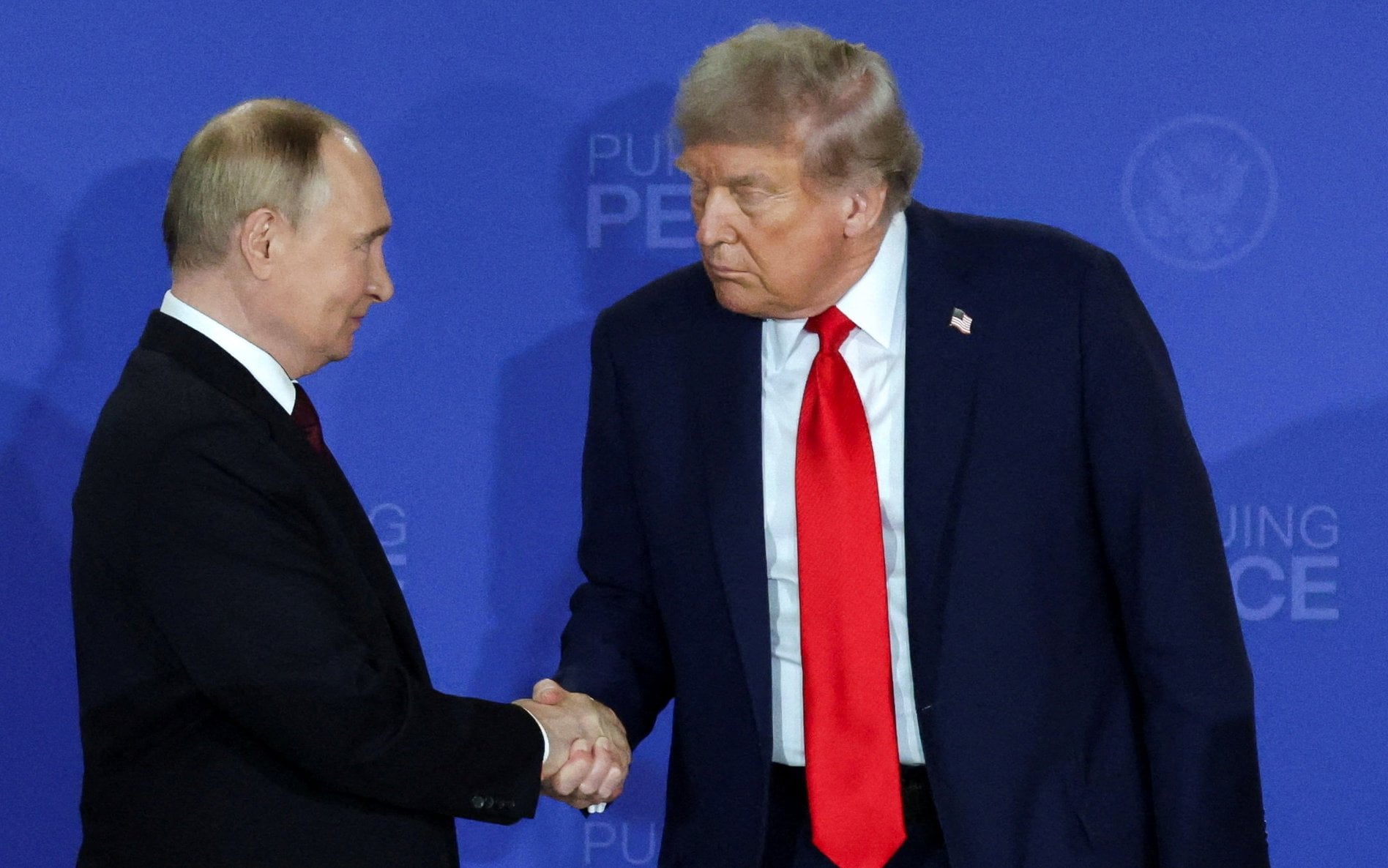
President Donald Trump had an extremely successful conversation with Vladimir Putin. Afterward, he announced that Russia would deliver 1.8 million tons of diesel fuel to the U.S. this year. He also announced that diesel prices would fall sharply for Americans and the rest of the world.
Thanks to Trump, Russia could tip the balance in its favor.
If the deal announced by Trump comes to fruition, it will undermine the most important economic sanctions the West imposed on Russia following its aggression against Ukraine — those targeting raw materials. These commodities, especially petroleum products, have been Moscow’s main source of revenue for years. By contrast, military spending is currently Russia’s biggest expense. Next year, it is expected to account for 35% of the country’s entire official budget. If the war continues, that figure will likely be significantly higher, as the military budget had already been exhausted by the end of June this year.
As a result of the agreement, Russia may soon gain the upper hand on the battlefield. Even if it does not win the war, there is little reason to expect it to end anytime soon. This is very bad news for the security of Poland and all of Europe. But it is worst of all for Ukraine, which is paying in blood.
Iran and Ukraine: Two Wars Instead of One
Few people today, perhaps apart from Americans themselves, believe that the war with Iran launched by Trump is not responsible for the inflation-driving surge in global fuel prices. In a recent IBRiS poll conducted for Rzeczpospolita, nearly 65% of all respondents and as many as 91% of voters for the ruling coalition blamed the war for the surge.
The simplest way to stop prices from rising, then, is to end the war. Apparently, reaching an agreement with the dangerous and unpredictable ruler of the Kremlin is easier than admitting to a costly mistake. Yet if Trump did admit it, we might have just one war instead of two.
It will be interesting, however, to see how Russia delivers hundreds of thousands of tons of fuel. This could reveal who is willing to cooperate with the Kremlin, exactly how Moscow is circumventing sanctions today, and who is helping it do so. That could turn out to be the agreement’s greatest benefit. Of course, not for Americans, but for the world.
*Editor's note: This article is available in its original language with a paid subscription.
President Donald Trump had an extremely successful conversation with Vladimir Putin. Afterward, he announced that Russia would deliver 1.8 million tons of diesel fuel to the U.S. this year. He also announced that diesel prices would fall sharply for Americans and the rest of the world.
Thanks to Trump, Russia could tip the balance in its favor.
If the deal announced by Trump comes to fruition, it will undermine the most important economic sanctions the West imposed on Russia following its aggression against Ukraine — those targeting raw materials. These commodities, especially petroleum products, have been Moscow’s main source of revenue for years. By contrast, military spending is currently Russia’s biggest expense. Next year, it is expected to account for 35% of the country’s entire official budget. If the war continues, that figure will likely be significantly higher, as the military budget had already been exhausted by the end of June this year.
As a result of the agreement, Russia may soon gain the upper hand on the battlefield. Even if it does not win the war, there is little reason to expect it to end anytime soon. This is very bad news for the security of Poland and all of Europe. But it is worst of all for Ukraine, which is paying in blood.
Iran and Ukraine: Two Wars Instead of One
Few people today, perhaps apart from Americans themselves, believe that the war with Iran launched by Trump is not responsible for the inflation-driving surge in global fuel prices. In a recent IBRiS poll conducted for Rzeczpospolita, nearly 65% of all respondents and as many as 91% of voters for the ruling coalition blamed the war for the surge.
The simplest way to stop prices from rising, then, is to end the war. Apparently, reaching an agreement with the dangerous and unpredictable ruler of the Kremlin is easier than admitting to a costly mistake. Yet if Trump did admit it, we might have just one war instead of two.
It will be interesting, however, to see how Russia delivers hundreds of thousands of tons of fuel. This could reveal who is willing to cooperate with the Kremlin, exactly how Moscow is circumventing sanctions today, and who is helping it do so. That could turn out to be the agreement’s greatest benefit. Of course, not for Americans, but for the world.
*Editor's note: This article is available in its original language with a paid subscription.
Previous article