Europe Can’t Leave Ukraine to Trump*

Published in Frankfurter Allgemeine Zeitung
(Germany) on 27 October 2026
by Nikolas Busse (link to originallink to original)
Translated from by Mallory Matsumoto. Edited by Michelle Bisson.
It makes sense that Norway and Finland are talking with Putin. It's supposed to be Merz’s task.

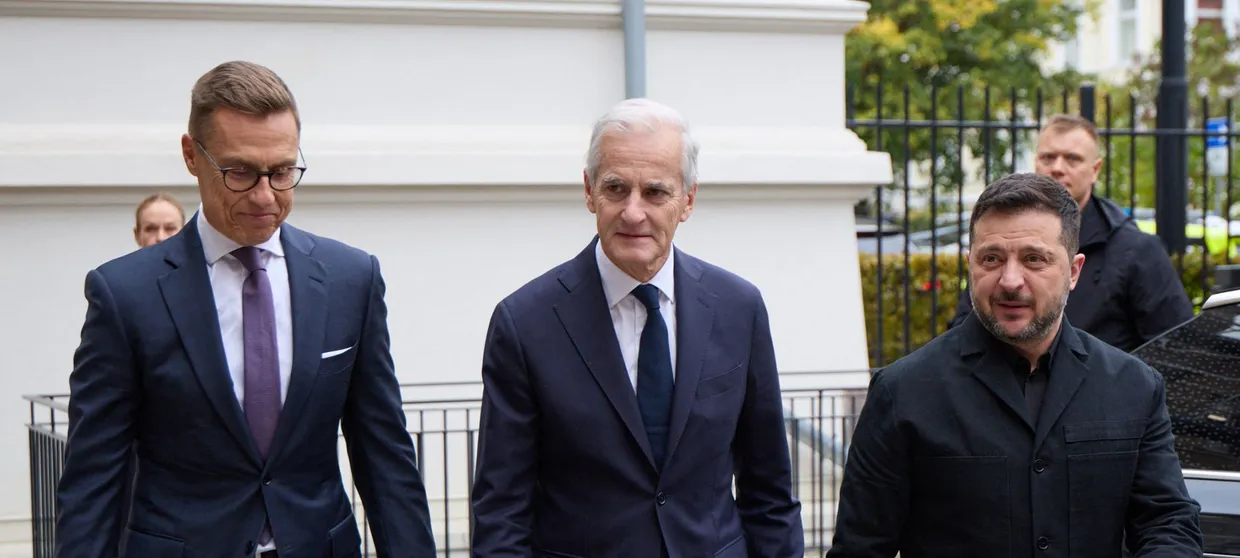
The Finnish president and the Norwegian prime minister are decided supporters of Ukraine; their countries are among the most reliable deliverers and providers of weapons to the country under attack. They have now done something that this camp in Europe, which is still much larger than that of the Kremlin’s friends, should have done long ago: they have sought dialogue with Vladimir Putin.

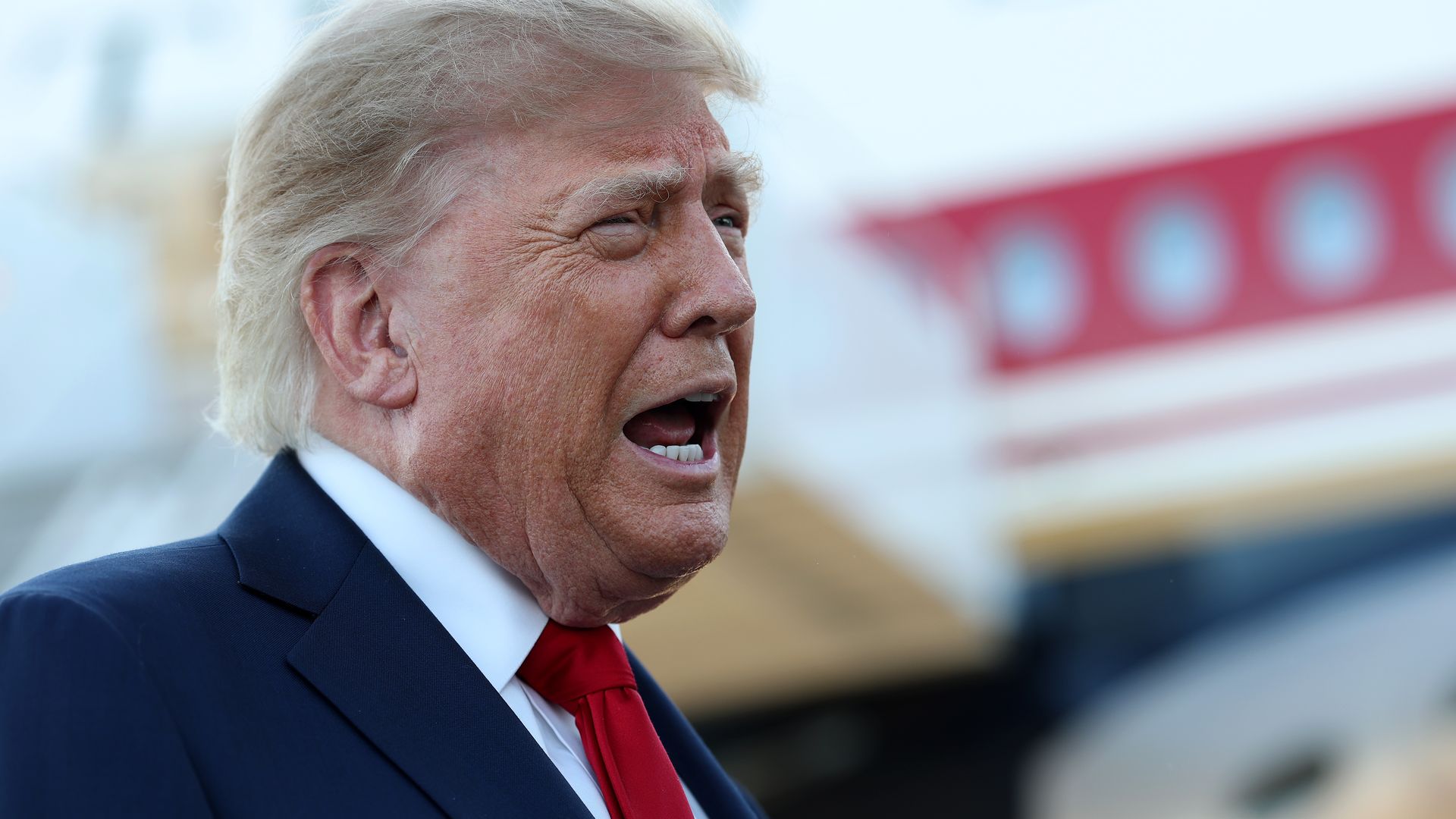
For two years, Europe has looked on as Donald Trump has negotiated with Putin over Ukraine and thus over the state of security in Europe. That itself is not a good development. One should, if possible, be sitting at the table when decisions are being made about one’s continent.

Europe Is Not a Neutral Intermediary

Above all, however, Trump is no advocate of European interests. He wants to do business with Russia, also in the literal sense; Ukraine plays a secondary role for him. The Europeans have another interest: they must contain Russia and thus keep Ukraine as strong as possible.

Whether Alexander Stubb and Jonas Gahr Støre’s phone call with Putin leads to anything is difficult to predict. But Russia’s situation is definitely not as rosy as Kremlin propaganda is painting it. They did it right; beforehand, they talked with Volodymyr Zelenskyy (and the Americans), and they emphasized that they are on Kyiv’s side. Europe is not a neutral intermediary, as some in Germany dream about; instead, it needs to put its weight behind a solution that satisfies the security interests of Ukraine and Europe alike.

Stubb and Støre themselves say that they didn’t speak for Europe; they are especially concerned about the Baltic region. That is a thinly veiled reference to the current lack of leadership in Europe. Mid-sized powers should really be taking care of such questions. Emmanuel Macron is basically history, Andy Burnham doesn’t have the profile yet, and the German “foreign chancellor” is spending these days that are so decisive for Europe and Germany in Asia. That’s one way to make things easy for Putin and Trump.

*Editor’s note: This article is available in its original language with a paid subscription.


Europa darf die Ukraine nicht Trump überlassen
Es ist sinnvoll, dass Norwegen und Finnland mit Putin sprechen. Eigentlich wäre das die Aufgabe von Merz.

Der finnische Präsident und der norwegische Ministerpräsident sind entschiedene Unterstützer der Ukraine, ihre Länder gehören zu den verlässlichen Waffenlieferanten und Gebern des überfallenen Landes. Sie haben nun etwas getan, was dieses Lager in Europa, das immer noch weit größer ist als das der Kremlfreunde, schon lange hätte tun müssen: Sie haben das Gespräch mit Putin gesucht.

Europa schaut seit zwei Jahren dabei zu, wie Trump mit Putin über die Ukraine und damit über die Sicherheitsordnung in Europa verhandelt. Das allein ist schon keine gute Entwicklung. Man sollte möglichst am Tisch sitzen, wenn über den eigenen Kontinent entschieden wird.

Europa ist kein neutraler Vermittler

Vor allem aber ist Trump kein Sachwalter der europäischen Interessen. Er will mit Russland ins Geschäft kommen, durchaus auch im Wortsinne; die Ukraine spielt für ihn eine untergeordnete Rolle. Die Europäer haben ein anderes Interesse: Sie müssen Russland eindämmen und dafür die Ukraine möglichst stark halten.

Ob das Telefonat von Stubb und Støre mit Putin irgendwo hinführt, ist schwer abzuschätzen. Die russische Lage ist aber sicher nicht so rosig, wie die Kremlpropaganda sie malt. Die beiden haben es richtig gemacht: Sie haben vorher mit Selenskyj (und den Amerikanern) gesprochen, und sie haben betont, dass sie auf der Seite Kiews stehen. Europa ist hier kein neutraler Vermittler, wovon manche in Deutschland träumen, sondern es muss sein Gewicht für eine Lösung einsetzen, die den Sicherheitsinteressen der Ukraine wie Europas genügt.

Stubb und Støre sagen selbst, dass sie nicht für Europa gesprochen hätten, es geht ihnen besonders um die Ostseeregion. Das ist ein kaum verhohlener Hinweis auf die gegenwärtige Führungslosigkeit in Europa. Eigentlich müssten sich die Mittelmächte um solche Fragen kümmern. Macron ist praktisch Geschichte, Burnham hat noch nicht die Statur, und der deutsche „Außenkanzler“ weilt in diesen Schicksalstagen für Europa und Deutschland in Asien. Auch so kann man es Putin und Trump leicht machen.
This post appeared on the front page as a direct link to the original article with the above link .

Hot this week

Canada: Canada Needs a Constituency Strategy for the New Congress

Taiwan: Ronan Tse-Min Fu: US Voters Punish Trump, Oppose Military Action against Iran


Canada: New York Times Refuses To Prove It Isn’t Biased

Canada: US Democrats Can’t Save Us from Trump

Australia: Donald Trump, Xi Jinping and Vladimir Putin’s Summit Had More Flair than Substance

Topics

Canada: US Democrats Can’t Save Us from Trump

Canada: Why the US Midterms Might Have Ended JD Vance’s Presidential Hopes

Canada: Canada Needs a Constituency Strategy for the New Congress

Australia: Donald Trump, Xi Jinping and Vladimir Putin’s Summit Had More Flair than Substance

Australia: Inside Trump’s Orbit, Albanese Is Learning the Rules of a Changing World

Austria: ‘New World Order’

Germany: How Things End When Trump Plays the Strongman*

Pakistan: Turning of the American Tide

Related Articles

Canada: US Democrats Can’t Save Us from Trump

Canada: Canada Needs a Constituency Strategy for the New Congress

Australia: Donald Trump, Xi Jinping and Vladimir Putin’s Summit Had More Flair than Substance

Australia: Inside Trump’s Orbit, Albanese Is Learning the Rules of a Changing World

Italy: Weak (but Powerful)