
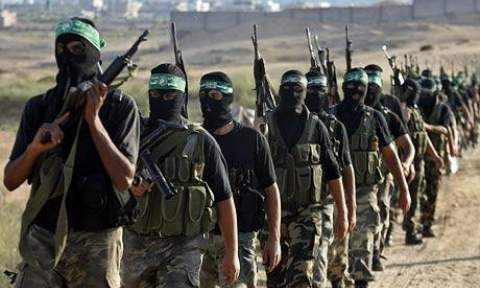
The US, Saudi Arabia and the ‘Sponsors of Hezbollah’
U.S. State Department Spokesperson John Kirby said in a press conference that Washington expressed its concerns to Riyadh regarding the Saudi decision to suspend military aid to the Lebanese army, saying, “We have raised our concerns about the reports of aid cutoff with the Saudi authorities.”
Kirby said that Saudi aid to the Lebanese Armed Forces and other legitimate government institutions is essential to help curb Hezbollah and its foreign sponsors. He emphasized that American aid to the Lebanese military would continue because the U.S. does not want to leave the arena open for Hezbollah or its sponsors. Certainly the U.S. State Department is not kidding. But who are these sponsors of Hezbollah in Lebanon? Is it not Iran? Who was it that unleashed Iran internationally and granted them an estimated $50 billion, if not more, despite international warnings — warnings from the Arab world, and warnings from Saudi Arabia specifically — which said, “This money will not go toward improving economic conditions in Iran as much as it will go toward supporting terrorist groups favored by Iran, primarily Hezbollah.”* Was it not America that did all of this?
If the U.S. administration was convinced of the wisdom of opening up Iran, giving Tehran free reign to interfere on the regional and international stage, and granting them billions of dollars that were frozen abroad in the U.S. and elsewhere, then how can the U.S. now say that they are concerned about the suspension of Saudi aid to the Lebanese military on the pretext that aid would boost the army’s ability to respond to Hezbollah and its sponsors? Are the sponsors of Hezbollah not the Iranians, with whom the U.S. is calling a truce and releasing frozen funds? It is truly puzzling. Understand that if the Americans were hoping that Saudi Arabia would allocate some of this aid to other Lebanese players, in particular allied and reasonable players, one could have referred to that as important and appropriate advice. Yet for the U.S. administration to express concern to Saudi Arabia about stopping support to the Lebanese army because it will strengthen Hezbollah and its sponsors — who are the Iranians — while at the same time extending a hand to Iran and its regime that is supportive of terrorists in Lebanon, Syria, Iraq and even Yemen, is completely incomprehensible. Also, this highlights a major flaw in the way the U.S. administration is dealing with the region.
The truth is that even if the U.S. administration was truly concerned about the Saudis cutting aid to the Lebanese army, which, according to the State Department spokesperson’s given pretext, ensures that the area is not opened up for Hezbollah and its sponsors, and if Washington was serious about protecting the Lebanese and other arenas, then it would have made sense for the U.S. to be more cautious about teaming up with Iran and unfreezing Iranian money that supports not only Hezbollah but also Bashar Assad and all of the extremist Iranian Shiite militias inside Iraq and elsewhere. So this U.S. position cannot be described as anything other than surprising and puzzling. And it sums up Washington’s blundering vision for our region, particularly that observed over the last seven years.
*Editor’s note: This quote, while accurately translated, could not be independently verified.
Kirby said that Saudi aid to the Lebanese Armed Forces and other legitimate government institutions is essential to help curb Hezbollah and its foreign sponsors. He emphasized that American aid to the Lebanese military would continue because the U.S. does not want to leave the arena open for Hezbollah or its sponsors. Certainly the U.S. State Department is not kidding. But who are these sponsors of Hezbollah in Lebanon? Is it not Iran? Who was it that unleashed Iran internationally and granted them an estimated $50 billion, if not more, despite international warnings — warnings from the Arab world, and warnings from Saudi Arabia specifically — which said, “This money will not go toward improving economic conditions in Iran as much as it will go toward supporting terrorist groups favored by Iran, primarily Hezbollah.”* Was it not America that did all of this?
If the U.S. administration was convinced of the wisdom of opening up Iran, giving Tehran free reign to interfere on the regional and international stage, and granting them billions of dollars that were frozen abroad in the U.S. and elsewhere, then how can the U.S. now say that they are concerned about the suspension of Saudi aid to the Lebanese military on the pretext that aid would boost the army’s ability to respond to Hezbollah and its sponsors? Are the sponsors of Hezbollah not the Iranians, with whom the U.S. is calling a truce and releasing frozen funds? It is truly puzzling. Understand that if the Americans were hoping that Saudi Arabia would allocate some of this aid to other Lebanese players, in particular allied and reasonable players, one could have referred to that as important and appropriate advice. Yet for the U.S. administration to express concern to Saudi Arabia about stopping support to the Lebanese army because it will strengthen Hezbollah and its sponsors — who are the Iranians — while at the same time extending a hand to Iran and its regime that is supportive of terrorists in Lebanon, Syria, Iraq and even Yemen, is completely incomprehensible. Also, this highlights a major flaw in the way the U.S. administration is dealing with the region.
The truth is that even if the U.S. administration was truly concerned about the Saudis cutting aid to the Lebanese army, which, according to the State Department spokesperson’s given pretext, ensures that the area is not opened up for Hezbollah and its sponsors, and if Washington was serious about protecting the Lebanese and other arenas, then it would have made sense for the U.S. to be more cautious about teaming up with Iran and unfreezing Iranian money that supports not only Hezbollah but also Bashar Assad and all of the extremist Iranian Shiite militias inside Iraq and elsewhere. So this U.S. position cannot be described as anything other than surprising and puzzling. And it sums up Washington’s blundering vision for our region, particularly that observed over the last seven years.
*Editor’s note: This quote, while accurately translated, could not be independently verified.