
US, Iran Should Engage in Direct Dialogue To Ease Tensions
The United States and Iran have been dispatching messages to each other in what appears to be a bid to ease tensions over the Iran nuclear deal.
This month, Iran began operations of a new type of centrifuge as a move to counter economic sanctions imposed by the United States. This is Iran's third move deviating from the nuclear deal.
However, Tehran stopped short of raising its uranium enrichment rate to 20%, which the international community most feared the country would do. Observers support this self-imposed restriction, as it means Iran has refrained from closing the door on a diplomatic solution at a time when European countries are trying to persuade Tehran to abide by the deal.
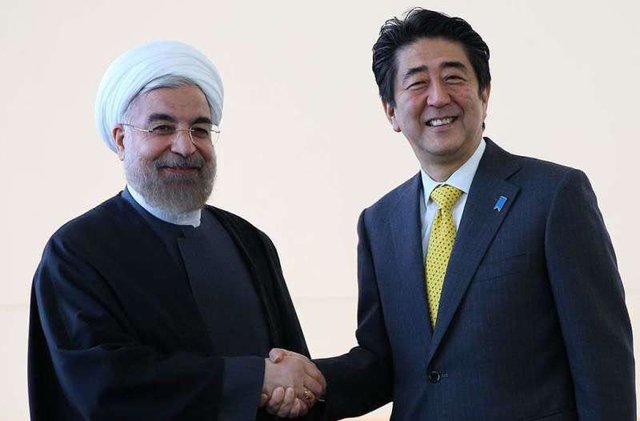
Amid such moves, signs have emerged that the United States is pursuing talks on the issue. Secretary of State Mike Pompeo, among others, stated that President Donald Trump is prepared to hold talks with his Iranian counterpart, Hassan Rouhani, without preconditions. The Trump administration appears to have made the suggestion while keeping in mind a U.N. General Assembly session later this month in which the leaders of various countries will meet in the United States.
As part of its "maximum pressure" campaign, the United States has imposed various sanctions on Iran, such as a ban on exports of crude oil. However, since European countries have been critical of this policy, Washington's plan to form a coalition of nations dedicated to ensuring safety and freedom of navigation in the Strait of Hormuz has failed to win wide support.
Hardliner John Bolton has been dismissed as national security adviser, which could represent a turning point in U.S. diplomatic policy.
However, the hurdles that stand before direct talks can take place between the presidents of the two countries are high. President Rouhani is demanding that the United States retract its sanctions on Iran and return to the nuclear deal as a precondition for engaging in dialogue. If Rouhani were to compromise on his demand and sit at the negotiation table, he could come under fire from anti-U.S. conservatives in Iran, weakening his power base.
The United States has no intention of returning to the existing deal; rather, it is seeking a new agreement. If bilateral talks were to go ahead, Washington would certainly demand stricter conditions, such as the suspension of uranium enrichment by Iran and a ban on Iran's development of ballistic missiles.
Nevertheless, the two countries should not refuse to hold dialogue. Summit talks could serve as a platform for negotiations leading to guarantees of safe navigation in the Persian Gulf and preventing a military contingency in the region. No direct meeting between the leaders of the United States and Iran has been held since the Iranian Revolution in 1979.
French President Emmanuel Macron has been urging the U.S. and Iranian presidents to hold a summit. The Iranian nuclear deal was originally an international framework mediated by France, Germany, Britain, Russia and China. The goal of the deal is to stabilize not only Iran but also the Middle East as a whole.
Tensions between Washington and Tehran will only bring political and economic losses across the world. All the more for that, the international community should encourage the two countries hold talks to settle their dispute
Previous article
Next article