Trump To Continue Fight Despite Unfavorable Supreme Court Ruling
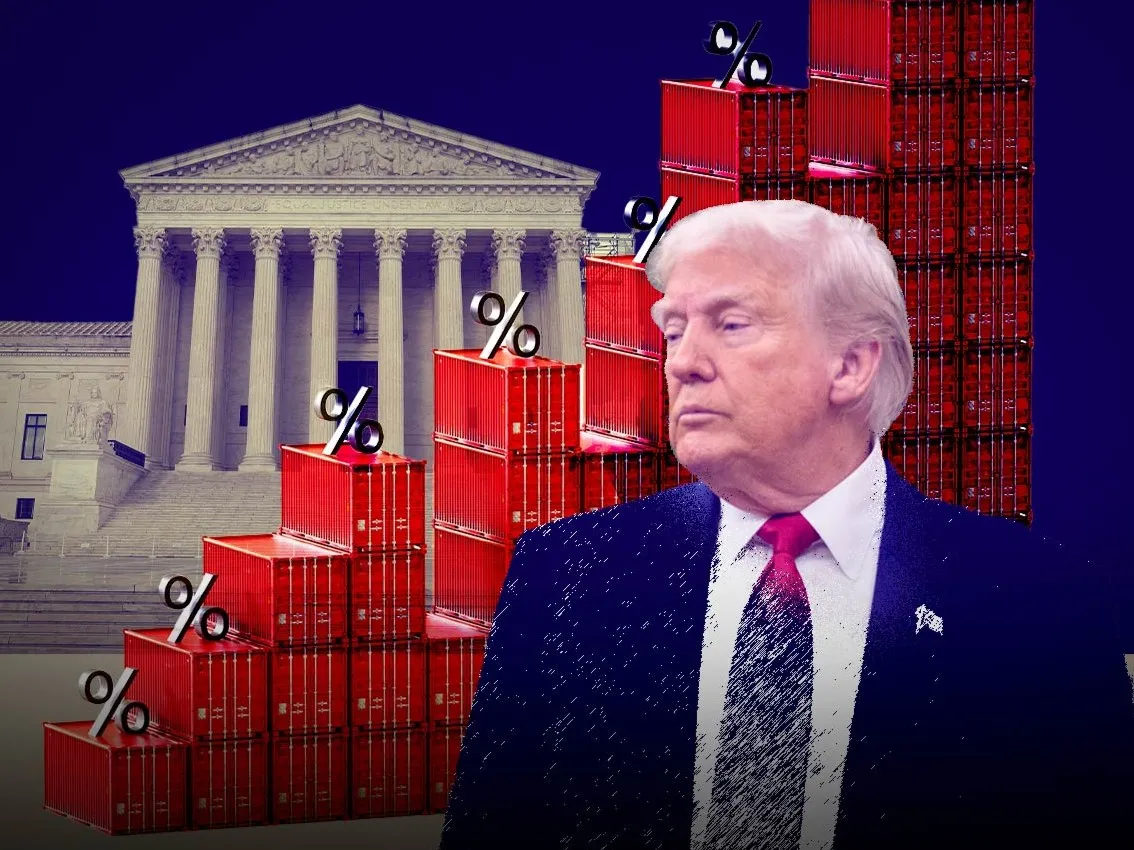
In a 6–3 vote on Feb. 20, the U.S. Supreme Court justices ruled that President Donald Trump had acted unlawfully in invoking the 1977 International Emergency Economic Powers Act to impose steep tariffs on multiple trading partners worldwide. Many political and economic analysts have pointed out that the Trump administration will come under broad fiscal pressure to refund those tariffs as a result.
There is little doubt that the ruling will deal a significant blow to Trump’s political standing and policy momentum. But despite the adverse decision, he and his administration have remained defiant, immediately invoking Section 122 of the Trade Act of 1974 to impose a new 10% tariff on top of existing tariffs on all trading partners, worldwide, for 150 days. The move is aimed at replacing what have been referred to as reciprocal tariffs, which were imposed under the IEEPA but have been overturned by the Supreme Court ruling.
What form is Trump’s damage control likely to take, in response to the situation? First, we have to recognize that Trump can still invoke a range of existing legal provisions to continue imposing high tariffs on different trading partners on various grounds. It would therefore be overly optimistic to assume that countries which, under pressure from the Trump administration’s steep tariffs, were forced to enter trade negotiations and agree to stringent concessions, will now seek to reopen and renegotiate investment and trade agreements that have already been concluded and signed.
For the time being, many countries that have succumbed to Trump’s high tariffs are likely to adopt a wait-and-see approach; to make the first move and challenge a currently irate President Trump would be a politically unwise and impulsive policy choice. In the coming weeks, the most sensible government strategy would be to wait for the Trump administration to formulate a response plan before taking appropriate action. That said, investment projects under existing agreements that were not originally expected to yield significant returns will clearly be slowed. Similarly, promised procurement projects may be deferred unless market conditions justify proceeding, with final decisions made once the situation is clearer.
Trump will continue to press ahead with his original political agenda. Even if his bargaining chips have indeed decreased, publicly adjusting established plans, including overseas visits, would be tantamount to admitting that the political game has been disrupted, and that he cannot control the political situation. This would lead to a reversal of momentum, setting off a chain reaction of crushing defeats. Politicians facing political adversity do not give up easily; instead, they keep on fighting in hopes of bringing about a reversal of the situation, and Trump is no exception. Therefore, the chances are relatively slim that there will be any change to his repeatedly publicized plans to visit Beijing.
Furthermore, when the Supreme Court issues a ruling unfavorable to the executive branch’s policies, Congress then plays a more crucial role in influencing the political gridlock. Whether Congress will make effective use of its institutional authority to gain greater influence through proactive legislation warrants continued observation. Having previously relied on assertive executive measures to dominate the political agenda, the Trump administration may now attempt to improve its relationship with Congress, seeking to gain control of the political landscape through congressional support. The international community will undoubtedly be paying attention to whether this becomes a major feature of American politics in the near future.
In addition, we have to consider how Taiwan’s political establishment will respond to changes in the American political landscape. Whether the Legislative Yuan’s deliberations over the Taiwan-U.S. Agreement on Reciprocal Trade will be affected, and whether the pace of any such deliberations will be slowed as a tactical measure to buy time and observe how the Trump administration manages subsequent political developments, are matters that are worth careful consideration and assessment by Taiwanese politicians.
Finally, it needs to be emphasized once more that, in the face of an adverse ruling from the Supreme Court, Trump is bound to keep fighting relentlessly, as the issue directly implicates his political credibility and reputation. Withdrawing from his fundamental strategy of using tariffs to pressure other countries would be an unbearable burden on his political prospects. Until the situation becomes clearer, senior Taiwanese government officials and national security leaders must remember that, right now, silence speaks louder than words, and it is better to remain still than to act rashly. Any hasty or impulsive statements or comments via social media could backfire spectacularly, turning attempted gains into a loss and leaving both strategy and reputations in tatters.
The author is a senior research fellow at the Society for Strategic Studies think tank in Taiwan.
There is little doubt that the ruling will deal a significant blow to Trump’s political standing and policy momentum. But despite the adverse decision, he and his administration have remained defiant, immediately invoking Section 122 of the Trade Act of 1974 to impose a new 10% tariff on top of existing tariffs on all trading partners, worldwide, for 150 days. The move is aimed at replacing what have been referred to as reciprocal tariffs, which were imposed under the IEEPA but have been overturned by the Supreme Court ruling.
What form is Trump’s damage control likely to take, in response to the situation? First, we have to recognize that Trump can still invoke a range of existing legal provisions to continue imposing high tariffs on different trading partners on various grounds. It would therefore be overly optimistic to assume that countries which, under pressure from the Trump administration’s steep tariffs, were forced to enter trade negotiations and agree to stringent concessions, will now seek to reopen and renegotiate investment and trade agreements that have already been concluded and signed.
For the time being, many countries that have succumbed to Trump’s high tariffs are likely to adopt a wait-and-see approach; to make the first move and challenge a currently irate President Trump would be a politically unwise and impulsive policy choice. In the coming weeks, the most sensible government strategy would be to wait for the Trump administration to formulate a response plan before taking appropriate action. That said, investment projects under existing agreements that were not originally expected to yield significant returns will clearly be slowed. Similarly, promised procurement projects may be deferred unless market conditions justify proceeding, with final decisions made once the situation is clearer.
Trump will continue to press ahead with his original political agenda. Even if his bargaining chips have indeed decreased, publicly adjusting established plans, including overseas visits, would be tantamount to admitting that the political game has been disrupted, and that he cannot control the political situation. This would lead to a reversal of momentum, setting off a chain reaction of crushing defeats. Politicians facing political adversity do not give up easily; instead, they keep on fighting in hopes of bringing about a reversal of the situation, and Trump is no exception. Therefore, the chances are relatively slim that there will be any change to his repeatedly publicized plans to visit Beijing.
Furthermore, when the Supreme Court issues a ruling unfavorable to the executive branch’s policies, Congress then plays a more crucial role in influencing the political gridlock. Whether Congress will make effective use of its institutional authority to gain greater influence through proactive legislation warrants continued observation. Having previously relied on assertive executive measures to dominate the political agenda, the Trump administration may now attempt to improve its relationship with Congress, seeking to gain control of the political landscape through congressional support. The international community will undoubtedly be paying attention to whether this becomes a major feature of American politics in the near future.
In addition, we have to consider how Taiwan’s political establishment will respond to changes in the American political landscape. Whether the Legislative Yuan’s deliberations over the Taiwan-U.S. Agreement on Reciprocal Trade will be affected, and whether the pace of any such deliberations will be slowed as a tactical measure to buy time and observe how the Trump administration manages subsequent political developments, are matters that are worth careful consideration and assessment by Taiwanese politicians.
Finally, it needs to be emphasized once more that, in the face of an adverse ruling from the Supreme Court, Trump is bound to keep fighting relentlessly, as the issue directly implicates his political credibility and reputation. Withdrawing from his fundamental strategy of using tariffs to pressure other countries would be an unbearable burden on his political prospects. Until the situation becomes clearer, senior Taiwanese government officials and national security leaders must remember that, right now, silence speaks louder than words, and it is better to remain still than to act rashly. Any hasty or impulsive statements or comments via social media could backfire spectacularly, turning attempted gains into a loss and leaving both strategy and reputations in tatters.
The author is a senior research fellow at the Society for Strategic Studies think tank in Taiwan.
Previous article
Next article