
No Agreement on Islamabad Negotiations — Vance and Qalibaf Hold Firm on Red Lines
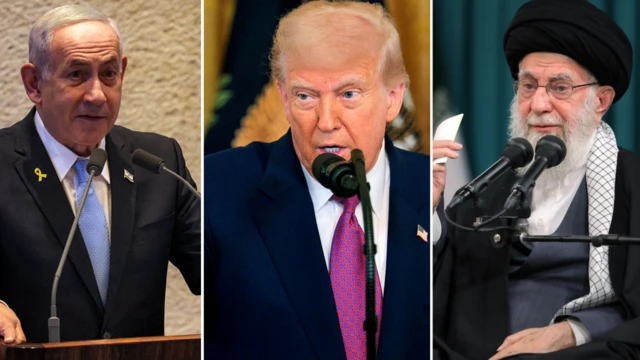
President Donald Trump now faces choices just as difficult as those he confronted during the war.
Given the wide gap between U.S. and Iranian demands, the lack of an agreement from the marathon Islamabad negotiations was not surprising. The talks involved the U.S. delegation, led by Vice President JD Vance, and the Iranian delegation, led by Iranian Parliament Speaker Mohammad Bagher Qalibaf.
Vance attributed the failure to reach an agreement to Tehran's rejection of U.S. conditions, including a ban on manufacturing nuclear weapons, which is Donald Trump's primary goal.
Where does the failure of 21 hours of the highest-level U.S.-Iranian negotiations since 1979 leave the trajectory of escalation and deescalation in the next phase? Particularly since the talks followed 40 days of war between the U.S. and Israel on one side, and Iran on the other.
Notably, despite the lack of immediate positive results, neither side announced a reversal of the temporary ceasefire that took effect last Wednesday after the war had reached its most dangerous level of escalation.
Trump now faces choices just as difficult as those he confronted during the war. Will he continue negotiations even if it requires extending the current ceasefire? Or will he resume the war with its ensuing consequences, such as the continued closure of the Strait of Hormuz and its devastating impact on the global economy, including the relentless rise in fuel prices within the U.S. in a midterm election year?
Red Lines — A Gap with No Resolution
For Iran, the negotiations were not a complete failure; Tehran spoke of an understanding on some points and differences on three issues. However, the disputed issues appear to be the most complex, as they are tied to mutual red lines.
The U.S. wants zero uranium enrichment on Iranian soil, regardless of how low the percentage is, and demands the transfer of the 60% enriched stockpile to a third country. It is also pushing to impose restrictions on Iran's missile program so that the missiles' range cannot reach Israel. Additionally, it demands the unconditional opening of the Strait of Hormuz to international navigation and an end to support for Iran's "proxies" in the region.
Most likely, these are the red lines Vance conveyed to the Iranian delegation. In contrast, despite suffering heavy losses during the war, Tehran refuses to back down from its right to enrich on its own soil. It has shown openness to restrictions preventing it from acquiring a nuclear bomb, but it categorically rejects curbs on its missile program, viewing it as a crucial deterrent against U.S. and Israeli air superiority.
Likewise, Iran added the Strait of Hormuz to its post-war conditions as a bargaining chip. This move allows Tehran to guarantee financial revenues and use the strait to extract concessions in any final agreement that lifts economic sanctions and provides guarantees against a new war.
Between the Illusion of Victory and the Risk of Escalation
The U.S. and Iran both began the Islamabad negotiations with a sense of victory. Each side claimed to have won the 40-day war and simply demanded the other's surrender, each believing that the other is cornered. At the same time, both sides were keen to emphasize they do not fear returning to war if reaching an understanding at the negotiating table proves impossible.
At the peak of the negotiations, the Pentagon announced that two U.S. destroyers crossed the Strait of Hormuz to sweep for mines planted by Iran. Tehran denied that any U.S. ships had crossed, asserting that no ship could pass without Iranian permission.
Then there is Israel, present in one way or another at the negotiating table, though Prime Minister Benjamin Netanyahu has reiterated his rejection of any agreement that restricts Israel from launching new attacks on Iranian territory.
The most dangerous dilemma is that Trump does not have the luxury of engaging in long, complex negotiations as did Barack Obama, nor does he have the capacity to fight a prolonged war in the Middle East with its potential domestic repercussions and impact on the global order.
Once again, this leaves the world holding its breath.
Given the wide gap between U.S. and Iranian demands, the lack of an agreement from the marathon Islamabad negotiations was not surprising. The talks involved the U.S. delegation, led by Vice President JD Vance, and the Iranian delegation, led by Iranian Parliament Speaker Mohammad Bagher Qalibaf.
Vance attributed the failure to reach an agreement to Tehran's rejection of U.S. conditions, including a ban on manufacturing nuclear weapons, which is Donald Trump's primary goal.
Where does the failure of 21 hours of the highest-level U.S.-Iranian negotiations since 1979 leave the trajectory of escalation and deescalation in the next phase? Particularly since the talks followed 40 days of war between the U.S. and Israel on one side, and Iran on the other.
Notably, despite the lack of immediate positive results, neither side announced a reversal of the temporary ceasefire that took effect last Wednesday after the war had reached its most dangerous level of escalation.
Trump now faces choices just as difficult as those he confronted during the war. Will he continue negotiations even if it requires extending the current ceasefire? Or will he resume the war with its ensuing consequences, such as the continued closure of the Strait of Hormuz and its devastating impact on the global economy, including the relentless rise in fuel prices within the U.S. in a midterm election year?
Red Lines — A Gap with No Resolution
For Iran, the negotiations were not a complete failure; Tehran spoke of an understanding on some points and differences on three issues. However, the disputed issues appear to be the most complex, as they are tied to mutual red lines.
The U.S. wants zero uranium enrichment on Iranian soil, regardless of how low the percentage is, and demands the transfer of the 60% enriched stockpile to a third country. It is also pushing to impose restrictions on Iran's missile program so that the missiles' range cannot reach Israel. Additionally, it demands the unconditional opening of the Strait of Hormuz to international navigation and an end to support for Iran's "proxies" in the region.
Most likely, these are the red lines Vance conveyed to the Iranian delegation. In contrast, despite suffering heavy losses during the war, Tehran refuses to back down from its right to enrich on its own soil. It has shown openness to restrictions preventing it from acquiring a nuclear bomb, but it categorically rejects curbs on its missile program, viewing it as a crucial deterrent against U.S. and Israeli air superiority.
Likewise, Iran added the Strait of Hormuz to its post-war conditions as a bargaining chip. This move allows Tehran to guarantee financial revenues and use the strait to extract concessions in any final agreement that lifts economic sanctions and provides guarantees against a new war.
Between the Illusion of Victory and the Risk of Escalation
The U.S. and Iran both began the Islamabad negotiations with a sense of victory. Each side claimed to have won the 40-day war and simply demanded the other's surrender, each believing that the other is cornered. At the same time, both sides were keen to emphasize they do not fear returning to war if reaching an understanding at the negotiating table proves impossible.
At the peak of the negotiations, the Pentagon announced that two U.S. destroyers crossed the Strait of Hormuz to sweep for mines planted by Iran. Tehran denied that any U.S. ships had crossed, asserting that no ship could pass without Iranian permission.
Then there is Israel, present in one way or another at the negotiating table, though Prime Minister Benjamin Netanyahu has reiterated his rejection of any agreement that restricts Israel from launching new attacks on Iranian territory.
The most dangerous dilemma is that Trump does not have the luxury of engaging in long, complex negotiations as did Barack Obama, nor does he have the capacity to fight a prolonged war in the Middle East with its potential domestic repercussions and impact on the global order.
Once again, this leaves the world holding its breath.
Previous article
Next article